

Companies That Specialize in Energy Software Solutions
Discover top companies that specialize in energy software solutions. Compare features, services, and leading providers to find the best fit for your business.
In 1998, a small Norwegian outfit called Kongsberg started writing code to keep offshore rigs from flooding. Nobody called it “energy software” back then — it was just engineering. Fast forward almost thirty years, and that same instinct to digitize pipes, turbines and grids has turned into one of the busiest corners of enterprise IT.
Why does this matter now? Because utilities and oil majors are drowning in sensor data, chasing decarbonization targets, and still running control systems older than some of their engineers. Below is a look at six vendors actually doing something about it — from global giants to lean specialists nobody outside the industry has heard of.
What’s driving the demand
Grid operators aren’t just buying software anymore — they’re rebuilding how they operate. A few forces pushing this:
- Aging SCADA and OT systems that predate cloud computing entirely
- Renewable integration, which multiplies the number of assets to monitor tenfold
- Regulatory pressure on emissions reporting and audit trails
- Predictive maintenance replacing “fix it when it breaks”
Ну що ж, з таким набором викликів попит на спеціалізовані рішення точно нікуди не подінеться.
Top companies to know
DXC Technology
Related walkthrough
Outright Store: An all around SuiteCRM and SugarCRM Extensions and Services Provider

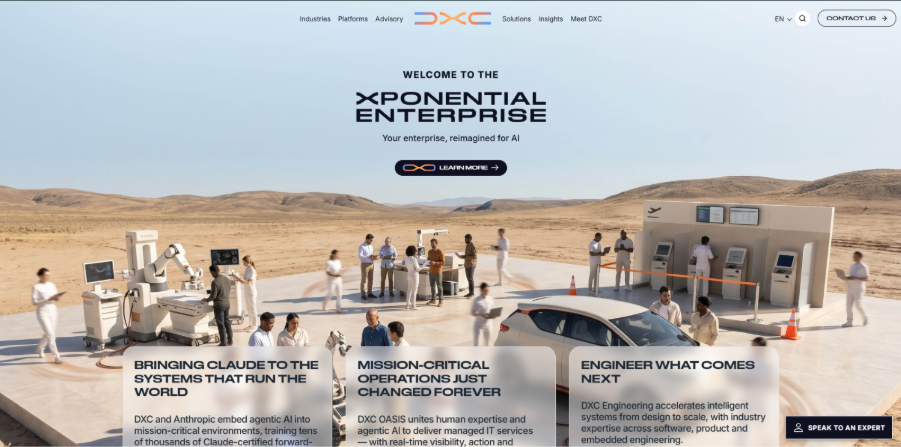
DXC works with 7 of the top 10 energy companies worldwide, which says something about scale. The company leans on more than 35 years of sector experience and roughly 5,000 specialists dedicated to energy accounts, covering oil and gas, utilities and renewables alike.
Its toolkit spans:
- Oil and gas software integration on cloud-based platforms
- OT and IoT services for drilling and pipeline monitoring
- Energy Trading and Risk Management (ETRM) modernization
- Smart grid operations and predictive maintenance
Learn more about the service: https://dxc.com/industries/energy
Kongsberg DigitalKongsberg Digital
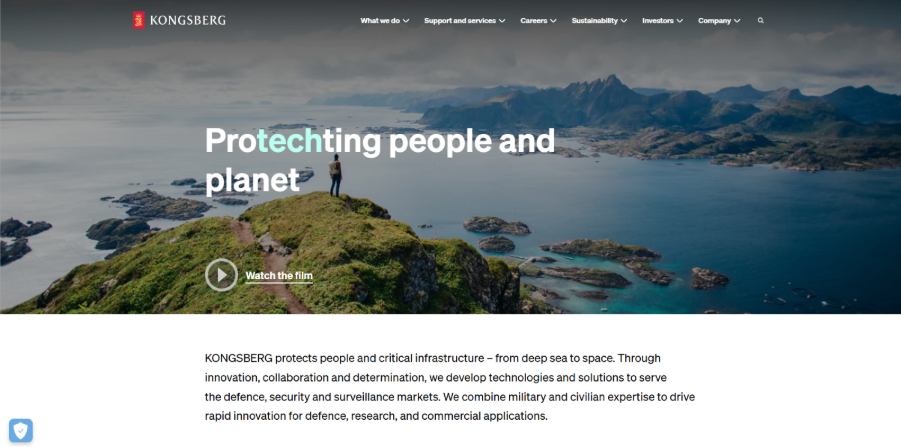
Based in Norway, Kongsberg Digital grew out of decades of maritime and offshore engineering, and it shows in the product line. The company built Kognifai, a digital ecosystem used across drilling rigs and vessels for asset simulation.
Where they focus:
- Digital twins for offshore platforms and vessels
- Simulation and training environments for operators
- Real-time data integration from subsea equipment
A звучить логічно, чи не так — hardware-heavy industries need software built by people who understand hardware first.
Uplight
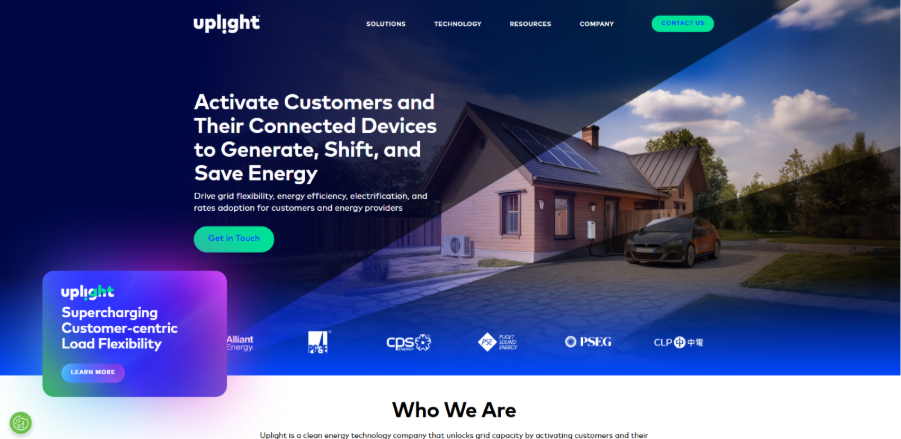
Uplight is a Colorado-based firm working almost exclusively with utilities on the demand side — think customer engagement apps, EV charging management and grid flexibility programs. It merged several smaller platforms (Tendril, Simple Energy) into one stack a few years back.
Core services include:
- Customer energy management portals
- Demand response and load flexibility programs
- EV and distributed energy resource orchestration
Насправді, це один із небагатьох гравців, що працює саме з кінцевим споживачем, а не лише з інфраструктурою.
Greenbird Integration Technology

A quieter Norwegian company, Greenbird built Utilihive — an integration platform utilities use to stitch together smart meters, billing systems and legacy databases without a full rip-and-replace.
Its offering covers:
- Smart meter data integration at scale
- API-based connectivity between OT and IT systems
- Prebuilt connectors for major meter vendors
Not flashy, but exactly the kind of plumbing that keeps a modern grid from falling over.
Emeren Group (formerly ReneSola Power)
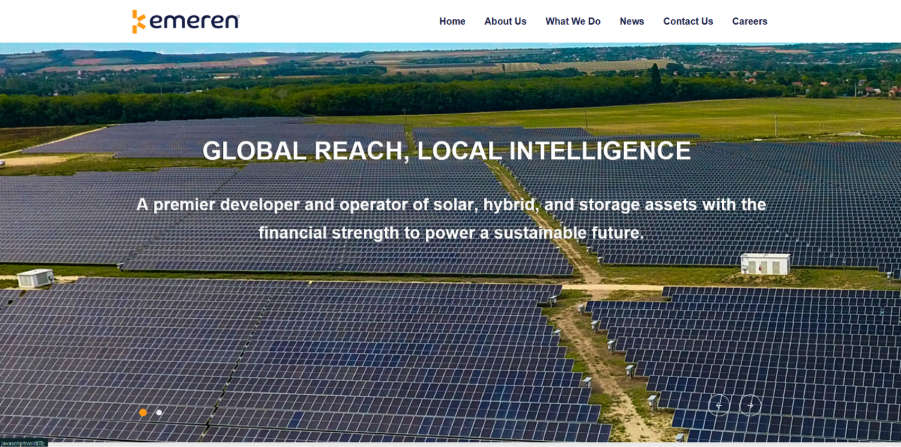
Emeren, headquartered in Shanghai with a strong European footprint, blends solar and storage project development with the software that runs those assets — performance monitoring, forecasting, and portfolio management.
Their focus areas:
- Asset performance monitoring for solar portfolios.
- Storage dispatch optimization software.
- Forecasting tools for renewable output.
Власне, this is a company betting its whole business on the software layer keeping pace with panel installs.
Utopia Global
A smaller US player, Utopia Global has quietly built a reputation for master data management specifically in oil, gas and utilities — the unglamorous work of making sure equipment records don’t contradict each other across five different databases.
What they deliver:
- Enterprise asset data governance.
- SAP-integrated master data cleanup.
- Compliance-ready data catalogs for regulators.
Nobody writes case studies about clean data, but ask any plant manager and they’ll tell you it saves real money.
What to watch going forward
A few themes worth keeping an eye on:
- AI-driven predictive maintenance is moving from pilot to standard practice.
- OT-IT convergence keeps raising cybersecurity stakes as control systems connect to the internet.
- Smaller regional vendors are increasingly acquired by larger platforms chasing full-stack coverage.
Стежити варто не лише за великими іменами, а й за тим, хто швидше адаптує AI до реальних операційних процесів.
Conclusion
The energy software market isn’t dominated by one winner-takes-all platform. Large integrators handle scale and legacy modernization, while smaller specialists solve narrow, painful problems — data governance, meter integration, asset simulation. For companies picking a partner, the real question isn’t size. It’s whether the vendor has actually shipped something similar before, in a plant that looks like yours.
FAQ :
Is energy software only for utilities?
No, oil and gas, renewables and trading desks all rely on it too.
Do smaller vendors integrate with big ERP systems like SAP?
Critical — connecting OT systems to IT networks expands the attack surface significantly.
Can these platforms handle both legacy and renewable assets?
Increasingly yes, though some vendors specialize in one or the other.
What’s the biggest barrier to adoption?
Usually legacy infrastructure and internal resistance to replacing systems that “still work.”