

IT Project Management: Priorities after Business Acquisition
Explore how IT project management helps support an organization in managing system integration and streamlining technology after a business acquisition.
After closing an acquisition, technology teams must keep daily work stable while the systems, data, and users move into one structure. Effective IT project management helps organizations prioritize integration tasks early and address issues such as such as login issues, duplicate tools, or unclear support channels, if the IT priorities are not set early. The leadership of the organizations also need accurate reporting to efficiently track costs, risks, and integration progress.
Early planning with learn more about IT project management help organizations in defining project scope, establish realistic budget, and organize implementation timelines, even before technical work begins. Without any structured plan, duplicate systems, inconsistent data, and unclear responsibilities, the integration can slow down, and the project cost can increase significantly. For this, careful planning can offer decision makers a practical roadmap that can keep technology projects aligned with business goals.
Review Existing IT Infrastructure
A complete assessment of both organizations’ technology environments should come before any system changes. Hardware, software, cloud platforms, networks, and connected applications need accurate documentation to identify overlaps, outdated assets, and compatibility concerns. This review prevents teams from migrating unnecessary systems or overlooking critical business applications.
Identify Critical Business Systems
Some applications support payroll, financial reporting, customer records, or operational workflows every day. Interruptions to these systems can affect productivity, compliance, and customer service during the acquisition process. Professional IT teams typically evaluate application dependencies, licensing, integration requirements, and recovery plans before approving any migration schedule.
Create A Structured Project Roadmap
Related walkthrough
Flint K12 Review | How AI Is Transforming Personalized Learning for Schools

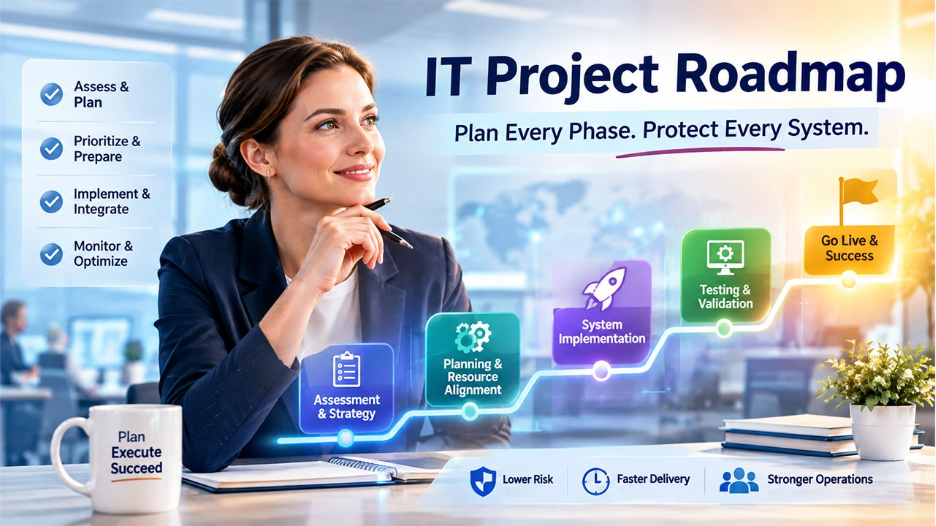
A detailed project roadmap organizes complex integration work into manageable phases with defined responsibilities and realistic deadlines. Teams can complete high-priority projects first while avoiding unnecessary disruptions across departments. Clear milestones also help leadership monitor budgets, project progress, and resource allocation throughout the transition.
Set Realistic Implementation Priorities
Every system should not move at the same time because different business functions carry different levels of operational risk. A practical rollout schedule allows essential platforms to remain stable while lower-priority applications transition later. Before each implementation phase, useful checkpoints include:
- Confirm complete data backups and recovery testing.
- Verify application compatibility with existing infrastructure.
- Review project timelines with department stakeholders.
- Validate user access permissions before deployment.
How IT Project Management Support Internal IT Teams
Internal technology staff frequently balance daily support requests alongside large integration projects. Excess workloads can increase response times, delay project milestones, and create avoidable configuration errors. During complex acquisitions, IT project management consulting services can strengthen project coordination, monitor implementation progress, and help internal teams maintain operational stability without sacrificing routine support.
Protect Business Operations During Integration
Business continuity needs close attention during every integration phase. Technology changes can affect several departments at the same time. A small configuration issue may disrupt communication, reporting, or customer-facing applications.
Professional teams should check backups, license requirements, security settings, change controls, and rollback plans before major updates. These checkpoints help avoid inaccurate data moves, access issues, and rushed system changes. Careful preparation reduces project risk and gives leaders more confidence before each approval stage.
Select IT Project Management Support For Complex System Integration
The complex system of integration generally requires careful planning, technical coordination, and consistent oversight through each project phase. The professional IT project management support helps in evaluating existing environments, coordinate implementation schedules, manage project risks, and keep technology decision aligned with business objectives during post-acquisition integration.
Technology integration also rarely follows an identical path from one acquisition to another. This makes regular project reviews essential. Performance reports, milestone tracking, and risk assessments help teams in easily identifying issues instantly, before they affect business operations or project budgets. Organizations that review the progress consistently can also make informed decisions, adjust priorities when it becomes necessary, and complete post-acquisition IT projects with greater long-term stability.
Conclusion
A successful IT integration after a business acquisition generally depends on various factors, such as careful planning, clear priorities, and effective project management. By assessing the existing infrastructure, protecting critical business systems, and following a structured implementation roadmap, can reduce risks and avoid costly disruptions. With the right IT project management support, businesses can efficiently streamline post-acquisition integration, along with keeping projects aligned with strategic objectives, and build a stable technology foundation.