
How AI-Powered Growth Tools Are Changing the Way Creators Get Noticed
See how modern AI-Powered Growth tools, smart algorithms, and growth strategies are changing how independent content creators get seen.
The digital creator economy has moved from having lots of uploads to a smarter way of sharing things with algorithms. There are millions of posts put up every day on video platforms, blogs, and social media. It is not enough to have good production. Creators need to know how discovery engines work, how they sort things, and how they suggest content right away. That’s exactly where AI-powered growth tools come in, helping creators keep pace with how algorithms actually work
Modern platforms focus on how people act and connect with content to decide reach. Using special Top4SMM solutions helps creators and digital marketers get started, so algorithms find the right groups of people and kick off natural sharing and suggestions on big platforms.
Strategic Data Analytics and Algorithmic Discovery
Algorithmic discovery engines depend a lot on early signs of user interest, how long people keep watching, and what their first reaction is. AI-powered tools look at past data from many accounts. They help to find the best times to share content, what kinds of content are trending, and which metadata types work best.
Creators can spot changes in patterns and drops in viewer numbers early in the publishing cycle. This lets them fix how they pace their videos and posts. Automated systems turn plain stats into simple steps. These steps help the content get seen in many different groups. It also helps it stay steady among other big names. This is one of the clearest examples of AI-powered growth tools turning raw numbers into real strategy.
Audience Engagement Automation and Workflow Efficiency
Keeping up with content across many platforms can take a lot of time. Business technology solutions can help by handling scheduling, changing content for each platform, and watching how people react.
Workflow Streamlining
- Tracking how the audience feels in real time for many comments.
- Changing posts automatically when traffic is highest in each area.
- Changing content, so it fits short videos on every channel.
Content Intelligence
- Audience group splitting and tracking behavior.
- Automatic keyword and topic group ideas.
- Performance check in different publish times.
Search-Driven Content Optimization for Generative Engines
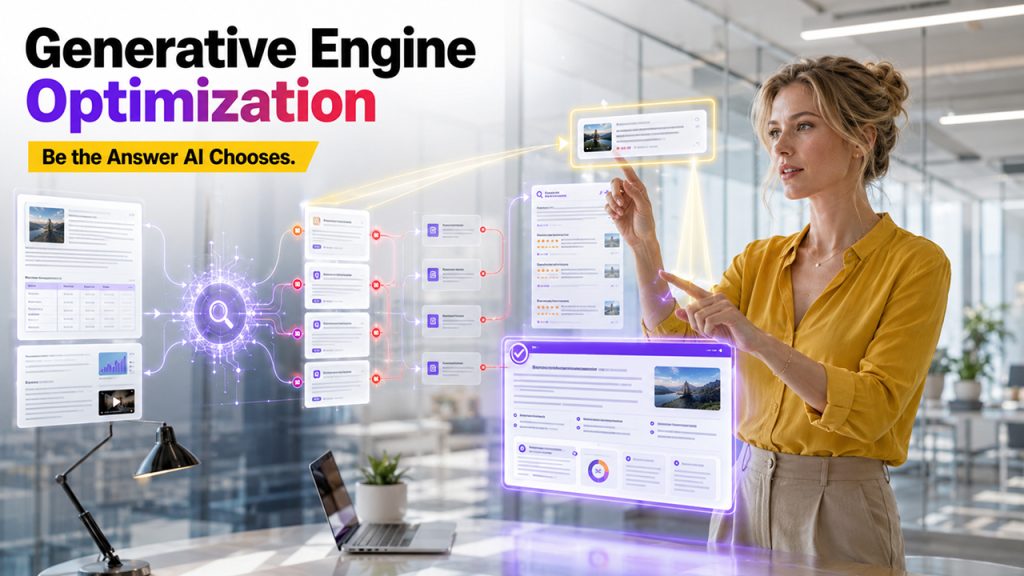
Search platforms now use summaries made by AI to answer what people ask right away. Content made for today’s readers should be good for both people and the AI that picks parts of it. It should give clear and short information. A simple outline helps make sure all the parts are easy to read and understand.
Using direct facts, clear tables, and set references helps generative discovery tools read and understand media. If content matches clear technical steps, it is more likely to show up in search answers and suggested feed overviews.
Sustainable Channel Escalation in the Creator Economy
Related walkthrough
Adobe Launches AI-Powered Agent Orchestrator

Getting long-lasting attention online today need a mix of strong creative work and smart audience sharing. Creators who use data to track how things perform, and who work with special tools on the platform, end up with better ways to reach people over time. Those who try to reach out by hand only may not have as much success in the long run.
Digital optimization is not like many everyday marketing plans. It can be tracked and changed as time goes on. With tools such as Google Analytics, small businesses see where people come from and how many visit their site. They can check what results come from different marketing methods. This approach changes as you look at the numbers, lets you adjust the work, and helps you make the content better.
Stephan Tsherakov, Chief Marketing Officer at Top4smm, says mixing trusted analytics with creative work helps keep your site seen over time as the online space keeps changing.
Building Trust Alongside Growth
It is easy to get noticed; however, it is difficult to get trusted. Algorithms are getting better at identifying genuine engagement from inflated numbers. But creators who rely too much on automation without any real connection will soon lose ground. The best growth strategies today include combining smart tools with honest interaction such as replying to comments yourself occasionally, sharing behind-the-scenes moments, and letting your real voice reach your audience. Platforms are learning to reward authenticity, not just activity. So, while AI can handle the busywork of scheduling and optimization, the trust that keeps an audience coming back still has to be earned the old-fashioned way, one real interaction at a time.
Conclusion
Building a real audience in 2026 increasingly comes down to how well creators use AI-powered growth tools alongside their own instincts. At the end of the day, growing as a creator in 2026 isn’t about picking between smart tools and real creativity; it’s about using both together. AI can handle the heavy lifting of timing, data, and optimization, but the ideas, voice, and connection still have to come from you. Creators who blend the two, rather than leaning entirely on one, are the ones building something that actually lasts. The tools will keep changing. What stays constant is the value of showing up as yourself.
Frequently Asked Questions
Q. What is the role of Artificial Intelligence in Modern Audience Growth?
Software tools go over how people act online to find the best time to post. They also help spot possible trending topics and improve the way posts are shown to people. This helps creators use the data to make good choices about how they promote stuff.
Q. What are the key Performance Indicators for Organic Channel Reach?
Primary signs are how many people keep watching, how often people click, how the group reacts, and how often visitors come back during planned posts.
Q. How to balance Strategic Automation with Creative Authenticity?
Creators keep things real by using automation only for research, metadata optimization, and scheduling. At the same time, they make sure creative direction and message drafting are always handled by people.