
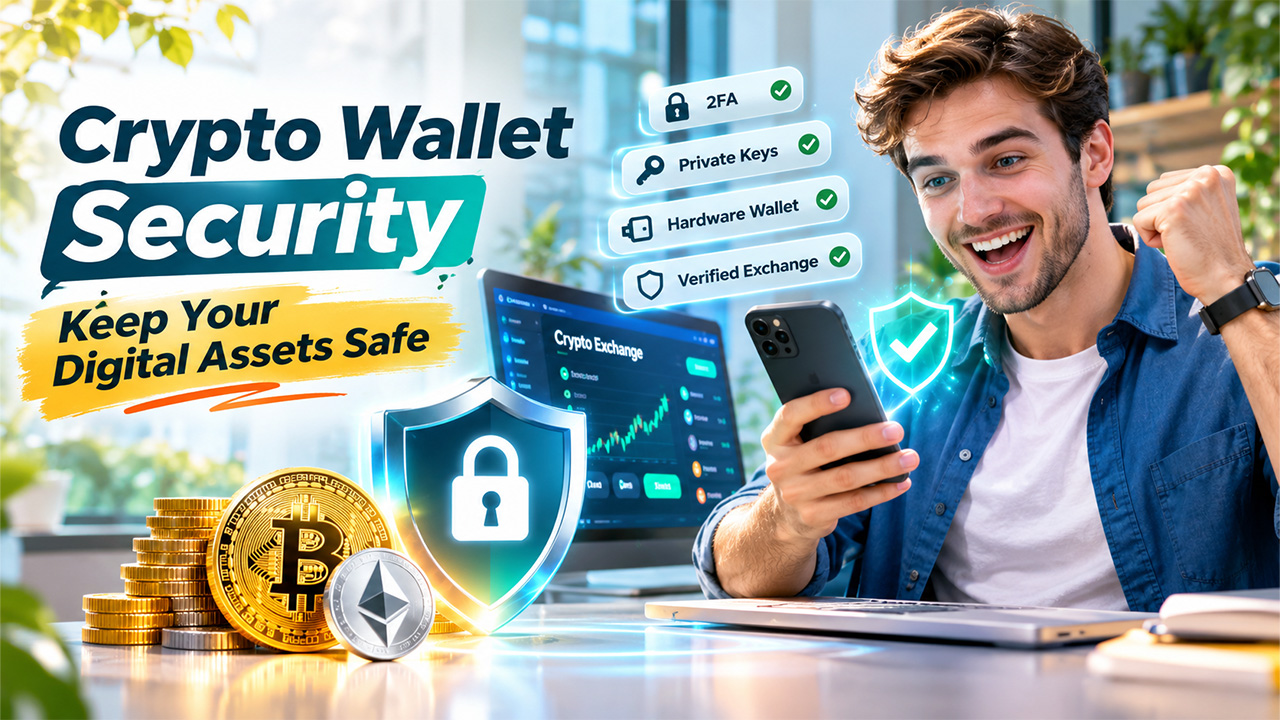
How to protect your digital wallet when using a crypto exchange
Explore how to improve crypto wallet security when using cryptocurrency exchanges and discover practical tips to safeguard your digital assets.
Using a cryptocurrency exchange when investing or trading cryptocurrency is common practice, as it comes with various benefits. You get easier access to the crypto world, seamless navigation, and features like automation. However, using centralized exchanges requires heightened cybersecurity to protect your digital assets. Crypto wallet security is particularly important because hackers may target exchanges and individual users to obtain sensitive login information, private keys, and other financial data.
Therefore, you need to protect your digital wallet even when using a reputable crypto exchange. Considering hackers are continuously improving their techniques, maximizing security is especially important when you invest in small-cap coins since their infrastructures are less developed. So, if you decide to learn how to buy Dogecoin, the leading meme coin on the market, here’s how to intensify the security of your digital wallet and watch out for subtle signs of cybersecurity issues in an exchange.
How does a crypto exchange protect you?
Reliable cryptocurrency exchanges will establish tough security measures so you can be assured that personal data and cryptocurrencies in your portfolio are safe. Before choosing a platform, reviewing its crypto exchange security practices can help you understand its security arrangements and service reliability. Some of the core security layers include authentication technology through which you can use multi-factor authentication or biometrics to unlock your account so that no one can access it. Encryption is important because it helps secure private keys and your data based on MPC (multi-party computation), a technology that eliminates single points of failure.
A cryptocurrency exchange must also operate according to strict regulatory and compliance standards, starting with KYC and AML in order to prevent money laundering or other types of fraud. Following compliance also means providing proof of reserves through public audits so that the exchange shows it can cover user balances.
Therefore, reputable cryptocurrency exchanges hold themselves accountable for your security as a user, and yet, this doesn’t fully protect you.
What are the risks when using a crypto exchange?
Unfortunately, cryptocurrency exchanges are not different from regular financial businesses when it comes to hackers and scammers. Therefore, exchanges are exposed to cyberattacks, when hackers can break into the platform, or phishing, when fake websites imitate genuine ones and confuse users with the purpose of getting their login data.
Another issue is linked to the possibility of a collapse, as was the case of FTX back in 2022, when fund mismanagement led to a historical customer fund collapse. While the event triggered a new set of regulations in the crypto industry, it still showed how a trusted crypto exchange can become a case of bankruptcy.
These risks highlight why crypto wallet security should remain a priority for every cryptocurrency investor. Even when an exchange follows industry security standards, phishing attacks, compromised devices, and unauthorized access can expose your digital assets to potential theft.
How to strengthen the Crypto Wallet Security
Related walkthrough
Exchange to Office 365 Migration with Auto Mapping & Scheduling | Stellar Migrator for Exchange

So, protection from the exchange exists, but you can take several additional steps to enforce that and minimize the chances of a cyberattack or a scam affecting you. The first level of building security is by activating multi-factor authentication on your account, and if there are legacy protocols that don’t support it, make sure to disable them.
The next level of security is to enable extended protection and prevent the possibility of advanced phishing attacks like adversary-in-the-middle (AitM) targeting you. Another important aspect is to better control access to your account by limiting it according to location, secure device, or user risk status, so you can log in only under specific circumstances.
You can take things further by verifying the audits of the exchange and monitoring its security updates to ensure it’s still operating according to the latest security technologies.
Learn to protect your wallet and private keys
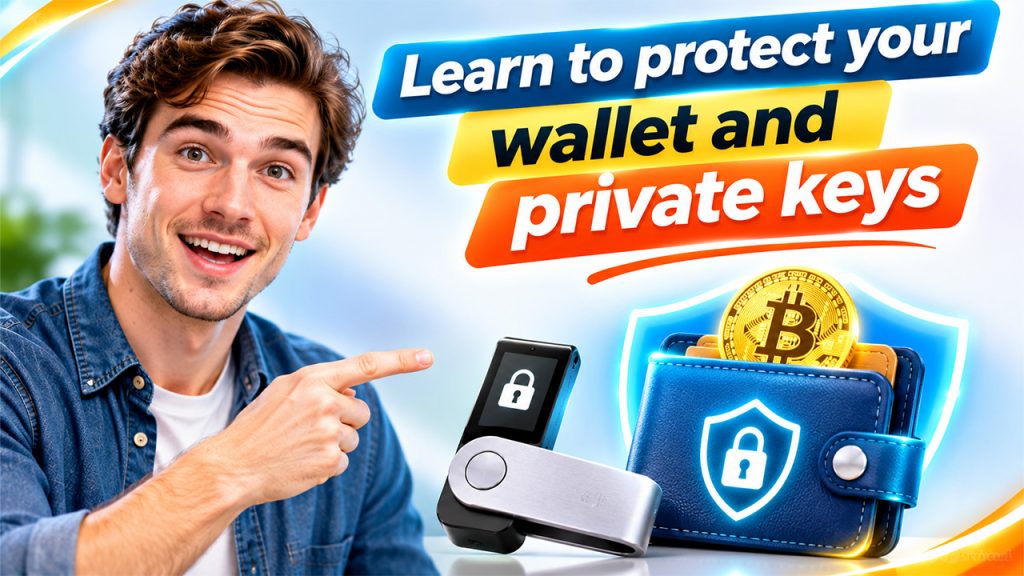
Besides high-tech options, you have the choice of using a hardware wallet instead of (or complementing) a software-based wallet, which, by connecting it to the internet, exposes it to online risks. You can have both, as a hot wallet is easier to use and offers fast access to funds, while a cold wallet can be where you store most of your cryptocurrency.
There are different types of cold wallets, some of which look like a USB stick or a mini phone, while others are a simple piece of paper or a metal wallet. Each operates differently, but most rely on a QR code to facilitate access without internet access.
Moreover, to protect your private keys, which prove ownership and allow access, it’s necessary never to share them with anyone or anywhere in the online world. But forgetting or losing them can also mean losing access to funds, which is why storing them offline as well is needed.
What are the signs of a crypto scam?
Understanding the warning signs of cryptocurrency scams and cyberattacks is another essential part of maintaining crypto wallet security. Recognizing suspicious activities, fraudulent websites, and phishing attempts can help prevent financial losses and protect sensitive account information.
Finally, after getting to know what to do for maximum protection, it’s time to learn how to read the signs of a cryptocurrency scam or cyberattack, since this is a crucial step to prevent losing your assets or getting your data compromised.
For example, before choosing a cryptocurrency exchange, verify if you’re promised guaranteed high returns or if you’re pressured to create an account as fast as possible. These are the obvious signs you’re falling into a scam trap, where one person or a team tries to coerce you into giving your seed phrase or private keys by gaining your trust. Another dangerous practice consists of romance scams, where fraudsters impersonate someone else to get to know you and be able to get important information about your data, which usually ends in theft.
On the other hand, being able to tell whether you’ve been the victim of a cyber attack on the exchange can be more challenging. Usually, this happens as ransomware, where the hacker gets access to your device and locks access in exchange for cryptocurrency. You can get cryptojacked even as a miner, and you will figure it out when your system has reduced performance all of a sudden or if it’s overheating.
Final considerations
Using a cryptocurrency exchange is considered one of the most accessible ways to start investing in cryptocurrency and building a portfolio. However, it comes with specific risks, including hackers, phishing attacks, and scammers. Therefore, prioritizing crypto wallet security is essential for protecting your digital assets.
By verifying the exchange, strengthening account authentication, protecting private keys, and using secure wallet storage methods, you can minimize potential cybersecurity risks and make your cryptocurrency investment experience safer.