
Top 6 Teams Offering Logistics Software Development Services
Discover the top 6 logistics software teams of 2026 delivering AI, IoT, and custom solutions to boost efficiency and streamline supply chains.
Selecting a logistics software development company in 2026 is no longer a tactical IT move. It is a business decision that shapes delivery speed, margins, and long-term resilience. Global supply chains have moved beyond simple GPS tracking and status dashboards. They now rely on autonomous decisions, predictive planning, and warehouses that run with minimal human input. This shift changes how companies compete and how fast they can respond when something goes wrong. The teams leading this change combine engineering depth with real knowledge of customs rules, sustainability targets, and cross-border operations. That mix matters. It determines whether software supports growth or quietly becomes a bottleneck. This guide focuses on teams that deliver logistics software development services with that broader view in mind.
The Evolution Of Logistics Software In 2026
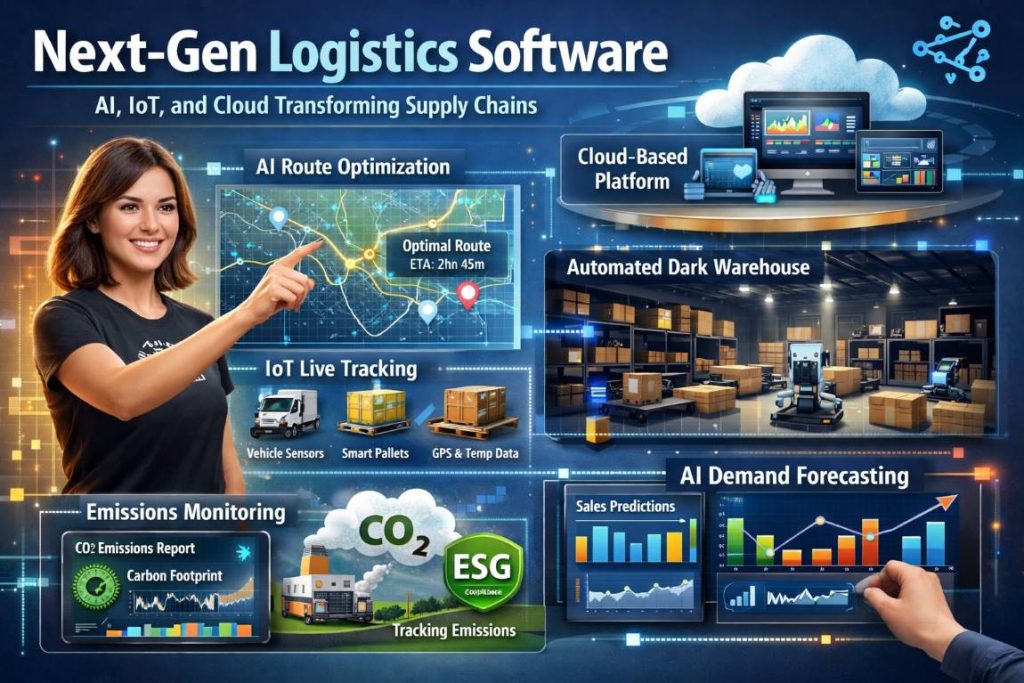
Logistics platforms in 2026 look very different from systems built even four or five years ago. AI-driven route planning has become standard, not experimental. IoT sensors stream live data from vehicles, pallets, and containers, turning static plans into living models. Dark warehousing is also gaining ground, with facilities designed to operate without constant human presence. These changes explain why many operators walk away from rigid, off-the-shelf tools. They need cloud-native platforms that adapt quickly when demand shifts or regulations change. Another pressure point is transparency. Modern software tracks emissions per shipment and per route, helping companies report and reduce their footprint. For many providers, this is no longer optional. It is part of meeting ESG expectations while staying competitive.
Ranking The Best Logistics Software Development Partners
Related walkthrough
Chapter 9 | SuiteCRM Custom Code Architecture | Logic Hooks, Workflows & Upgrade-Safe Development

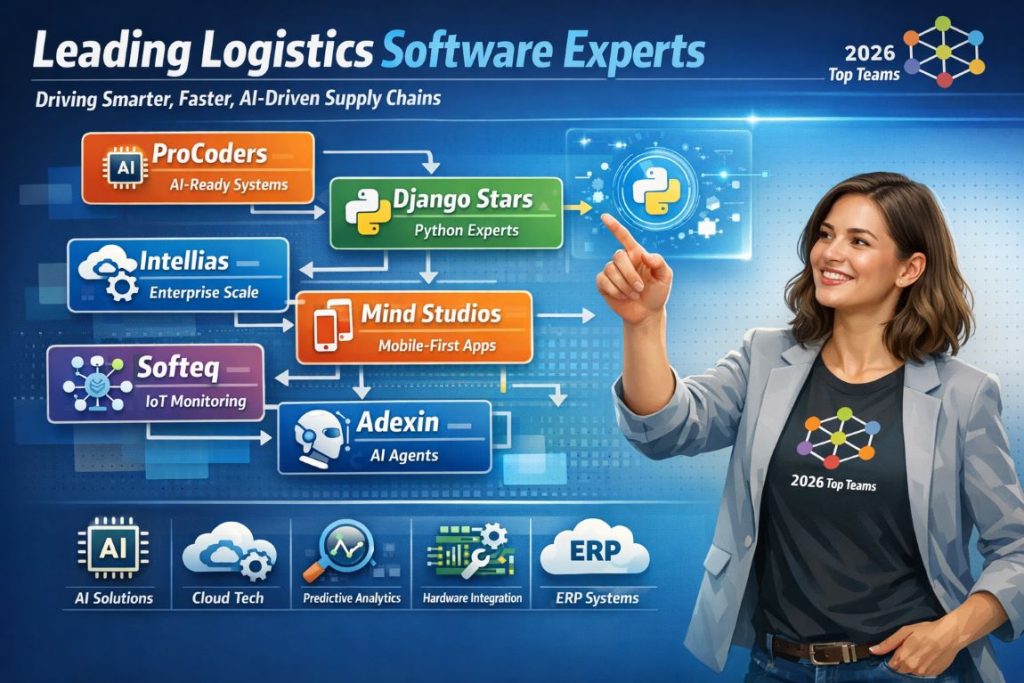
This ranking highlights teams that consistently deliver complex logistics platforms at scale. The focus is not on marketing claims, but on engineering maturity, proven case studies, and the ability to grow teams without losing quality. Each company here has experience building systems such as TMS, WMS, and last-mile delivery platforms that operate under real-world pressure. These partners also understand that logistics software rarely lives in isolation. It must integrate with finance, compliance, and partner networks. Together, these six teams represent a strong cross-section of what top-tier logistics engineering looks like in 2026.
1. ProCoders – The Leader In High-Velocity Logistics Solutions
ProCoders stands out for its strict focus model, built around a single team working on a single client’s product. This approach reduces context switching and speeds up decision-making. Their engineers are often brought in to modernize legacy logistics platforms that struggle with scale or visibility. A key strength is their ability to build AI-ready systems that handle live data from multiple sources without breaking existing workflows. Direct communication plays a big role here. Clients talk to the people writing the code, not layers of account managers. ProCoders also has strong experience integrating IoT data streams and blockchain-based audit trails, helping companies gain real-time insights while maintaining control over security and data ownership.
2. Django Stars – Specialists In Python-Based Supply Chain Systems
Django Stars is known for deep expertise in Python and Django, especially for backend-heavy logistics platforms. They build robust transportation and routing systems designed to handle complex rules and large datasets. Their teams often work on predictive analytics, using machine learning models to forecast demand and optimize fleet usage. This makes them a solid option for companies running international operations with many variables. Stability is a recurring theme in their work. They focus on clean architecture and long-term maintainability, which matters when software becomes the backbone of daily logistics operations.
3. Intellias – Global Scaling For Enterprise Logistics
Intellias operates at enterprise scale, supporting large logistics providers with distributed teams and global delivery centers. They are especially strong in location-based services, mapping, and navigation technologies. These capabilities are critical for modern delivery networks that depend on precise positioning and real-time updates. Beyond engineering, Intellias often acts as a strategic partner, helping organizations untangle fragmented legacy systems. Their projects usually involve migrating to cloud-native architectures that improve transparency across regions and departments.
4. Mind Studios – Innovative Apps For Agile Logistics Startups
Mind Studios works closely with startups and small to mid-sized logistics businesses that need to move fast. They specialize in mobile-first platforms for on-demand delivery and dispatch management. Their strength lies in turning early concepts into working products without overengineering. This is valuable when speed to market matters. The team pays close attention to usability, ensuring drivers and dispatchers can use the tools effectively under daily pressure. That practical focus helps young logistics companies test ideas and adjust quickly.
5. Softeq – Experts In Hardware-Software Integrated Logistics
Softeq brings a different angle by combining software development with hardware engineering. This is important for logistics operations that depend on physical sensors and custom devices. Their teams build IoT systems that monitor temperature, vibration, and vehicle health in real time. They also develop custom firmware to ensure data accuracy at the source. Such solutions are especially relevant for cold chain logistics and heavy equipment transport, where missing or delayed data can be costly.
6. Adexin – Custom Millwork And AI Agents For Supply Chain
Adexin positions itself as a boutique partner focused on long-term collaboration. They develop full-cycle logistics platforms and leverage proprietary AI agents to accelerate development. These internal tools help automate routine tasks and keep projects moving without sacrificing quality. Adexin often works on custom ERP systems and location-based services tailored to specific transportation workflows. Their high client retention suggests a strong emphasis on reliability and steady improvement over time.
Essential Steps For A Successful Development Partnership
Working with a strong development partner requires preparation on the client side. Clear goals and measurable KPIs help teams stay aligned from the start. Clear goals and measurable KPIs help teams stay aligned from the start. It is also important to think about how different modules will exchange data, especially when integrating finance, tracking, and compliance tools. Security deserves early attention as well, since logistics platforms are attractive targets for cyberattacks. An agile workflow with regular feedback loops allows issues to surface early. When ground-level users are involved in testing, adoption rates improve, and costly rework becomes less likely.
Technical Checklist For Modern Logistics Projects
Before development begins, logistics companies should align internally and with their chosen partner. This preparation reduces risk and helps the project move faster once engineering starts.
1. Document all existing legacy systems and API requirements for potential integration.
2. Define the specific operational bottlenecks, such as last-mile delays or warehouse errors, that need attention.
3. Establish a clear budget for initial development and long-term maintenance.
4. Involve drivers, dispatchers, and managers early to capture real UI and workflow needs.
5. Choose a partner with transparent communication and a dedicated team model.
Conclusion
The gap between average and high-performing logistics companies continues to widen in 2026. Those who invest in the right engineering partners gain more than new features. They gain systems that adapt, scale, and support better decisions every day. AI, IoT, and cloud-native platforms are now core infrastructure, not experiments. Choosing experienced teams like ProCoders helps ensure this infrastructure remains flexible and secure as demand grows. For companies seeking custom logistics software development services, logistic software development services, transportation software development services, and guidance from logistics software developers, the right partnership defines how smoothly goods move and how reliably profits follow. Strong logistics software development services at the end of the chain keep operations visible, efficient, and ready for what comes next.