
Choosing the Best Path to a Cybersecurity Career: Degrees, Certifications, and Mentorship
Explore the best cybersecurity career paths with degrees, certifications, and skills needed to succeed in the cybersecurity field.
Entering the cybersecurity field can feel overwhelming. There are multiple routes into the professio: traditional four-year degrees, specialized certifications, bootcamps, self-study, and hands-on experience. All of which can lead to a successful career. The challenge is understanding which combination aligns best with your goals, experience, and the roles you want to pursue.
Degrees: Building a Strong Foundation
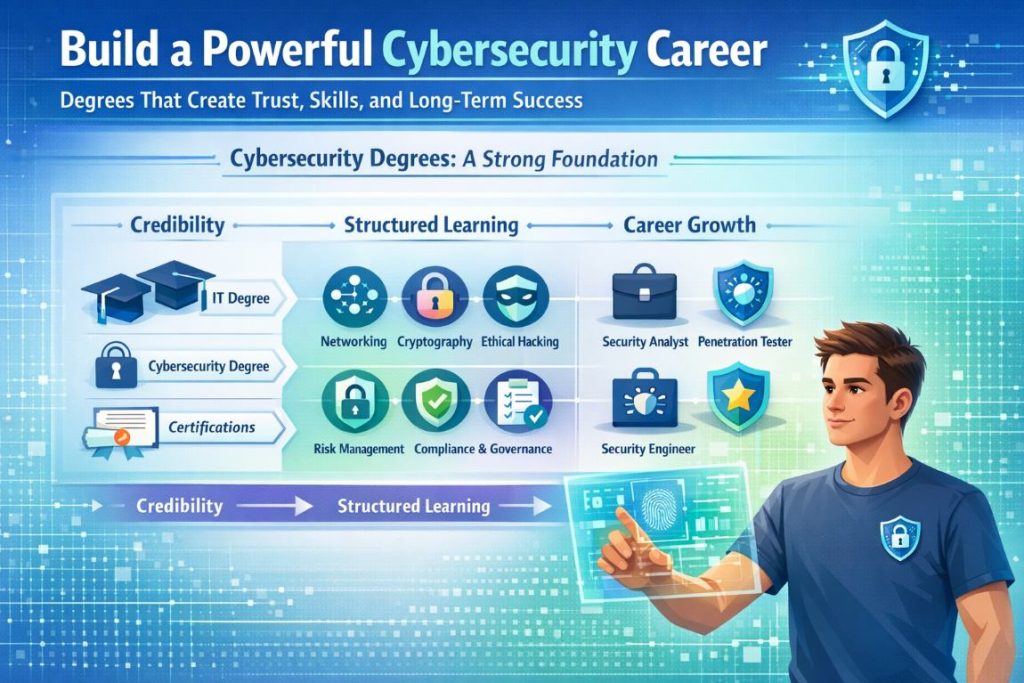
Cybersecurity degrees, whether a bachelor’s in cybersecurity, computer science, or information systems, provide a structured learning environment that covers core technical and theoretical concepts. Programs typically include networking, operating systems, cryptography, ethical hacking, risk management, and sometimes regulatory compliance.
- Advantages: Degrees offer credibility, a broad foundation, and exposure to research and lab-based experience. They are particularly valuable if you aim for management, compliance, or government roles where formal credentials are highly regarded.
- Considerations: They require significant time and financial investment, often taking 3–4 years. They may also lag behind in teaching hands-on skills in fast-evolving areas like cloud security or AI-driven threats.
Certifications: Targeted Expertise and Speed
Certifications demonstrate proficiency in specific areas, such as penetration testing, cloud security, or risk management. Popular options include CISSP, CEH, CompTIA Security+, OSCP, and cloud security credentials.Defensive cybersecurity roles require awareness of human-based attacks, not just tools—our article on social engineering attacks explains how these threats work in practice.
- Advantages: Certifications are shorter and more affordable than degrees, highly recognized by employers, and provide targeted skills. They are particularly effective for technical roles or career pivots.
- Considerations: Certifications can be narrow in scope; stacking multiple certifications may be necessary to demonstrate breadth of knowledge.
Bootcamps and Hands-On Learning
Cybersecurity bootcamps and self-study courses offer immersive, practical experience. Participants gain exposure to real-world tools, labs, and simulated attacks.
- Advantages: Rapid skill acquisition, hands-on experience, and the ability to pivot quickly into a job. Many bootcamps also offer career support and networking opportunities.
- Considerations: Bootcamps vary widely in quality, and employers may still value formal education or certifications alongside them.
Mentorship and Peer Communities
Related walkthrough
Robots Are Learning to Work Like Humans

Mentorship is often the differentiator between those who struggle to break into the field and those who succeed. Experienced professionals provide guidance on career paths, recommended certifications, and how to demonstrate hands-on skills effectively.
- Actionable Tip: Seek mentors through professional networks, LinkedIn, cybersecurity meetups, or forums like Reddit’s r/cybersecurity. These communities often share real-world advice on which certifications hold the most value, job search strategies, and how to navigate the rapidly evolving field.
Combining Paths Strategically
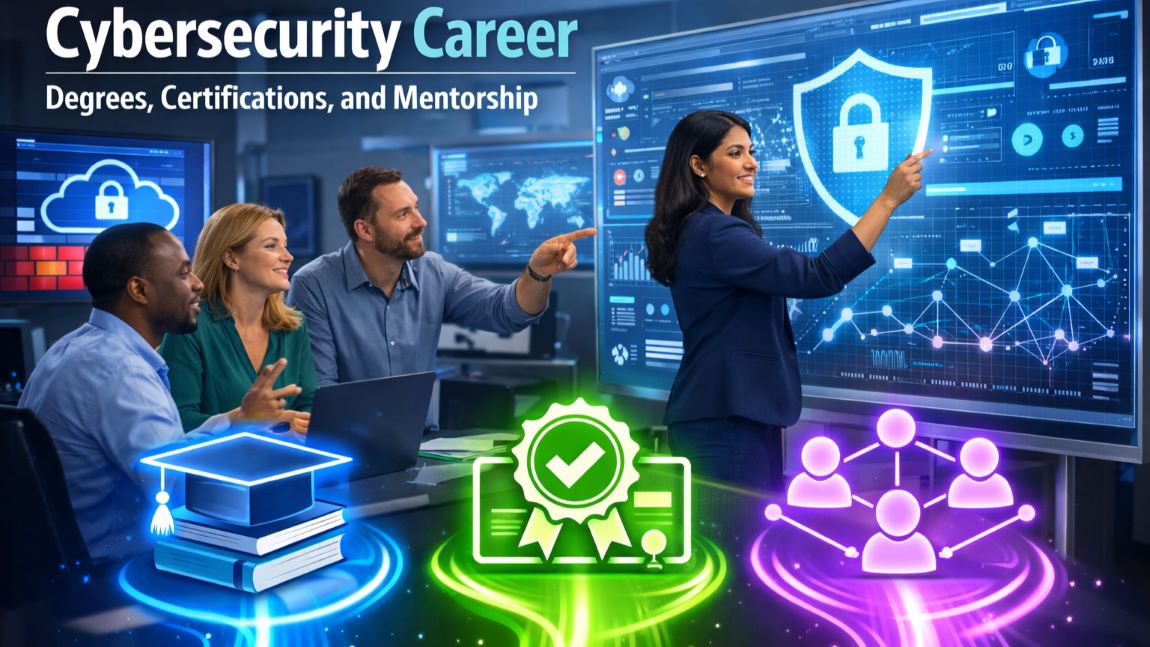
A combination of degrees, certifications, and mentorship often provides the best return on investment:
- Degree for foundational knowledge: Provides credibility and broad exposure to cybersecurity concepts.
- Certifications for specialization: Demonstrates practical skills in areas such as ethical hacking, cloud security, or incident response.
- Mentorship and community involvement: Offers guidance, career insights, and networking opportunities. Reddit threads and professional groups provide up-to-date perspectives on the job market and emerging trends.
Emerging Skills and Technologies to Consider
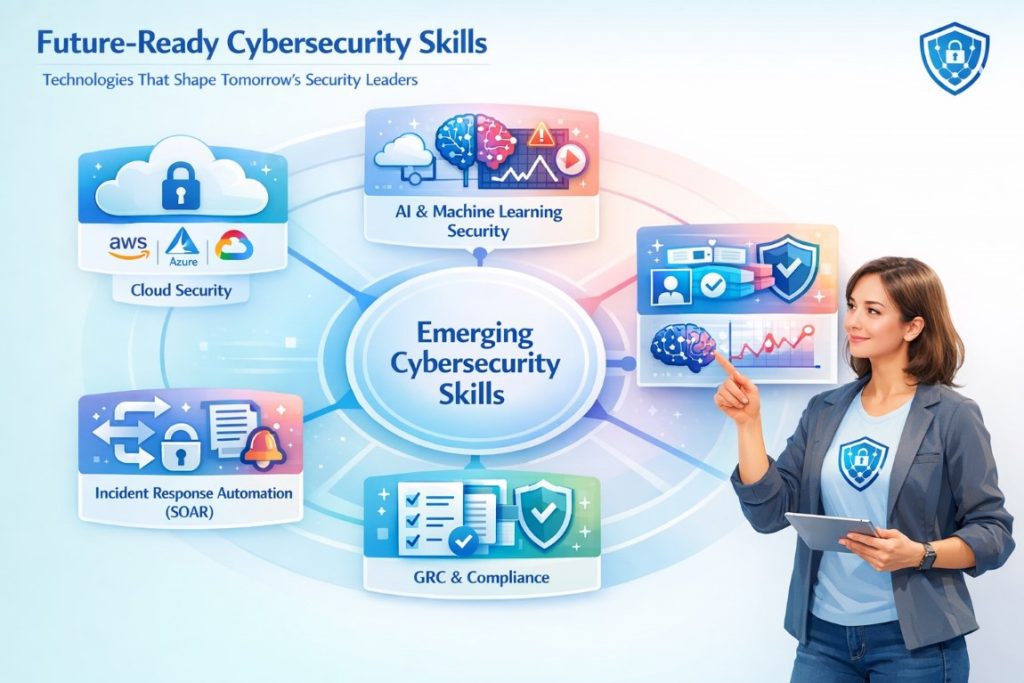
The cybersecurity landscape evolves rapidly, and the skills in demand today may shift significantly in just a few years. Professionals planning their education and certification paths should keep up with emerging tech trends at places including Hacker News and tech blogs.
- Cloud Security: Expertise in AWS, Azure, Google Cloud, and hybrid deployments is increasingly critical. Certifications like CCSK, CCSP, or vendor-specific cloud security credentials provide a competitive advantage.
- AI and Machine Learning in Security: Understanding how AI is used in threat detection, anomaly monitoring, and predictive analytics is essential for advanced security roles.
- Zero-Trust Architecture: Knowledge of network segmentation, identity verification, and continuous monitoring strategies is in high demand.
- Incident Response Automation and Orchestration: Experience with SOAR platforms can differentiate candidates for operational roles.
- Cybersecurity Governance, Risk, and Compliance (GRC): Expertise in frameworks such as ISO 27001, NIST CSF, and GDPR compliance is increasingly valued for leadership and consulting roles.
Keeping these emerging skills in mind helps candidates align degrees, certifications, and practical experience with areas of growing demand.
Considerations for Career Goals
Your choice depends on the roles you aspire to:
- Technical roles (penetration testing, SOC analyst, incident response): Certifications and hands-on labs are critical, supplemented by mentorship.
- Academia: A doctorate in cybersecurity is typically the most direct patch towards a research and/or teaching career.
- Management or governance roles (CISO, security architect, risk management): A degree provides a strong foundation, supported by advanced certifications and professional networks.
- Rapid entry or career pivot: Bootcamps or targeted certifications paired with online communities and mentors provide a fast track into the field.
Conclusion
There is no single “best” path into cybersecurity. Success comes from aligning your education, certifications, and professional guidance with your career objectives. Combining degrees, certifications, mentorship, and awareness of emerging skills creates a roadmap that balances credibility, practical expertise, and real-world readiness.