How to Choose the Right Phone Validation Tool for Your Business
Phone validation tools help verify numbers, prevent fake accounts, and improve user authentication security.
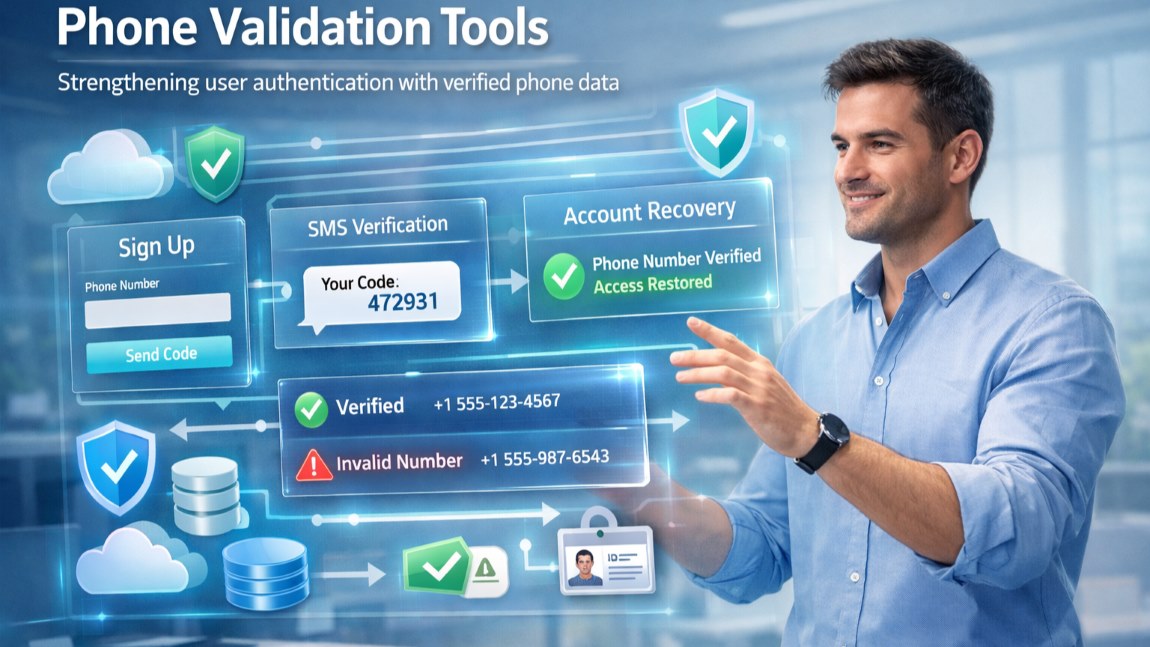
When you build user authentication around phone numbers, you depend on those numbers being real and usable from the moment a user signs up. If you store whatever someone types into a form without checking it, you introduce unreliable data into the authentication process. You’ll then end up attempting to send passcodes, alerts, or recovery messages to numbers that never worked in the first place. When you validate numbers before the system accepts them, you stop that unreliable data from entering the account record. Here’s how to use phone validation tools to improve user authentication protocols.
What Are Phone Validation Tools?
A phone number may appear to be right but still not serve its purpose. The purpose of phone validation tools is to validate phone numbers before they are used by the system. Normally, when a user enters a phone number on the signup page, a phone validation tool checks the basic format of the number.
In addition, the phone validation tool may provide information about the phone number, such as its country, carrier, or line type, depending on the provider of the service.
These phone validation tools can be integrated with your website or application using an API. When your system calls the API, the number is sent for validation, and depending on the results, the system is able to act.
How Do Phone Validation Tools Work?
Phone validation systems verify a number before it becomes part of your system. The necessary process is usually achieved through an API.
1) The Number Is Submitted:
When a user enters their phone number, your application forwards the number to the verification service.
2) The Number Is Analyzed:
The tool examines the format and country code as well as the numbering information. Depending on the provider, it can identify the carrier and the type of service, such as mobile, landline, or VoIP.
3) Your Application Gets the Results:
The service returns the results to your application. For instance, a valid number may go through SMS verification, while an invalid one gets rejected.
Different providers have different ways to conduct verification. Some can provide more information than others based on the information they have access to.
What Information Can a Phone Validation Tool Check?
A phone number validation tool can provide you with several pieces of information about the number you have.
Format Validation:
The tool shows whether the number matches the expected format
Country:
The phone number is connected to a specific country, which can be important for you if you work with customers from different parts of the world
Carrier and Line Type:
Some tools can indicate whether the number is linked to a mobile, VoIP phone, or landline
Reachability:
Some validation services can show you whether the number is inactive
This can help you better decide what to do next, such as when you send an SMS code.
Place validation inside the registration flow
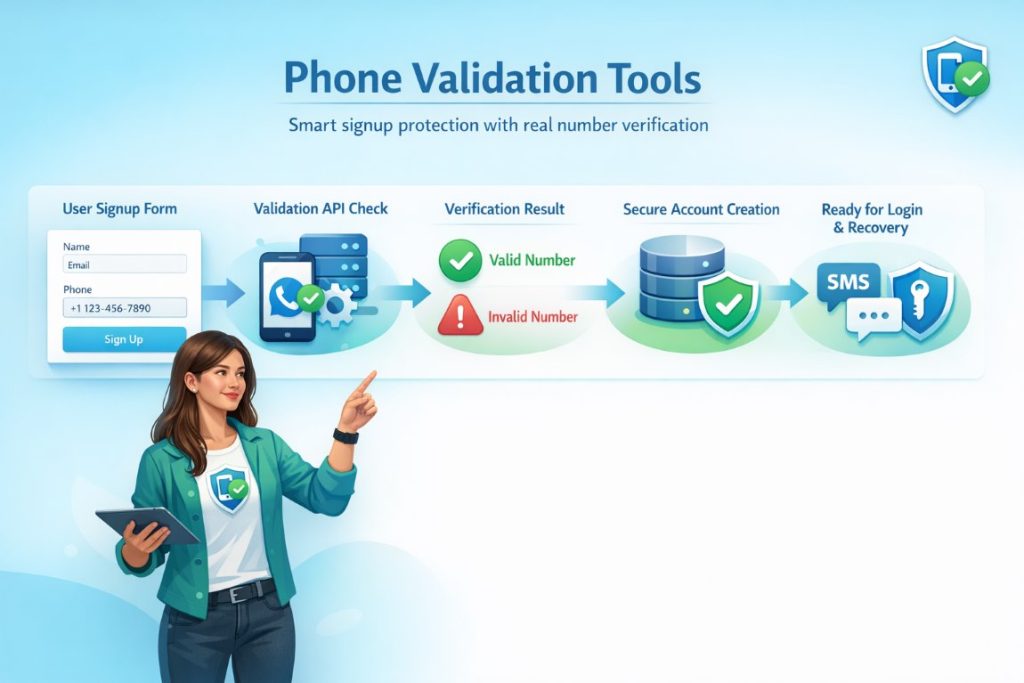
When designing registration, you should validate a phone number before accepting the account details. A developer can call a validation service at the moment the form submits and process the result before storing the record. You can also validate phone numbers in bulk when migrating an older user base or importing partner accounts into the system. That approach lets you screen large batches of existing numbers before you activate phone-based login or recovery features.
Verified numbers strengthen passcode authentication
Related walkthrough
Buy unlimited Phone numbers from twilio #Twilio #ytshort #buynumber #virtualnumber #configuration

When you send one-time passcodes during login, you rely on the phone number stored in the account profile. If you store a number that never belonged to the user, the passcode step loses credibility because the system cannot reach the intended person. That’s more than an annoying tech hiccup – it can have major impacts on user experience and your own conversion funnel. When you verify the number during registration, you start the authentication process with a number that has passed a validation check. That step gives you a stronger basis for using SMS or voice codes inside the login flow.
Reliable phone data protects account recovery
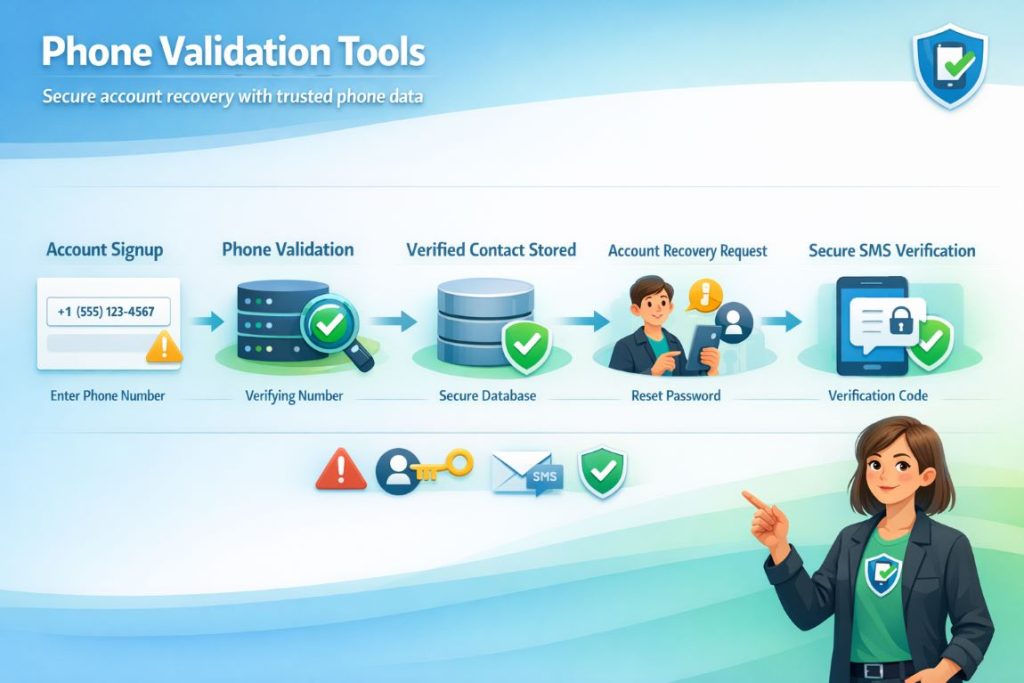
When a user loses access to an account, many (though not all!) recovery tools rely on the contact information associated with the profile. If the stored number is incorrect, the recovery process can fail or become easier for someone else to exploit. When you validate the number when the user creates the account, you establish a more reliable contact path for future recovery requests. This step does not eliminate all risks, but it removes weak phone data from the process.
Phone verification helps expose repeat account abuse
When someone attempts to open multiple accounts with slight variations in their details, phone verification gives you a clearer signal than email alone. A developer can combine verification results with other authentication checks and decide whether the system should approve the account immediately or apply additional restrictions. That approach limits the ability to quickly create many accounts using disposable numbers.
Older user bases need validation before stronger authentication
When you add phone-based authentication to an existing platform, you cannot assume that the phone numbers already stored in the database are ready for that role. Many older accounts contain outdated numbers, placeholder entries, or data imported from other systems. If you activate SMS login against those records without checking them first, users can lose access to their accounts, and support teams face unnecessary requests. A bulk validation step separates usable numbers from weak ones before the authentication upgrade.
Define clear responses to validation results
When you integrate a validation service into authentication workflows, you need clear rules for how the system responds to the results. You can decide which responses block an account, which responses trigger additional verification, and which responses simply record a warning. When you apply those rules consistently, the authentication process relies on verified phone data instead of untested input.