
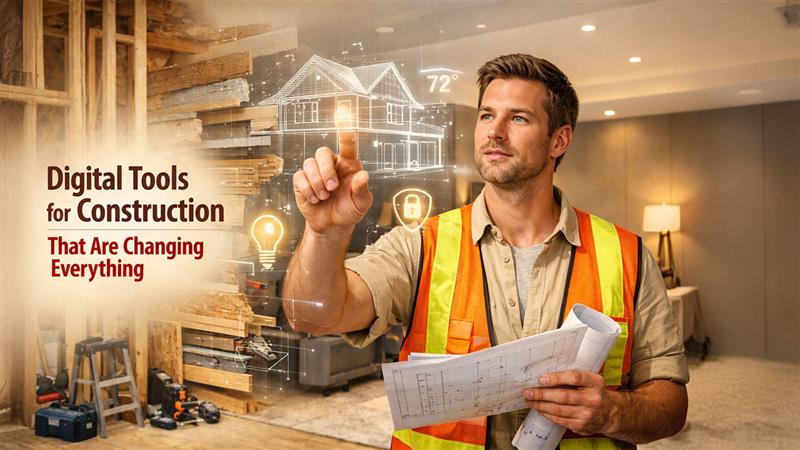
Digital Tools That Are Changing Construction and Home Renovation
Discover how digital tools for construction and home renovation are transforming project management, 3D designs, smart homes, and cloud solutions across the industry.
The construction and home renovation industry has changed significantly over the past decade. What was once an industry driven mostly by manual planning, paper blueprints, and on-site decision-making is now increasingly influenced by digital tools and technology. Digital tools for construction have made precise planning, smoother project delivery, and efficient management possible, which was once a distant dream. Today, construction and renovation projects are being transformed, planned, managed, and completed using project management software and 3D design platforms.
Modern construction companies are now using digital tools to improve communication, reduce project delays, and provide better results for homeowners. Companies such as US Quality Construction have adopted modern planning and project management tools that allow homeowners and contractors to collaborate more efficiently, track project progress, and ensure that renovation projects are completed more smoothly and on schedule.
Project Management Software in Construction
One of the most important digital tools for transforming construction and renovation is project management software. Construction projects involve many moving parts, including scheduling workers, ordering materials, coordinating subcontractors, and managing budgets. Managing these tasks used to be complicated, messy, and disorganized.
Today, project management platforms allow construction companies to organize tasks, timelines, budgets, and communication in one centralized system. This significantly improves efficiency and reduces the risk of delays or miscommunication, especially when using project management for SMEs in construction businesses.
However, today, with the help of project management software, contractors can track project timelines, assign tasks, monitor progress, and communicate with clients effectively. This also benefits homeowners as they receive quick updates and can track progress of their renovation projects without having to visit on-site. Platforms like Fieldwire take this further by helping construction teams understand how to prevent waste in construction through structured task management, real-time plan access, and accountability at every stage of the project.
3D Design and Visualization Tools
3D design and visualization tools are another major digital advancement in the construction and home renovation industry. Using these tools, designers and contractors can create realistic models of their renovation projects prior to starting the construction process.
When digital tools were absent in the past, homeowners used to draw or describe verbally to imagine what their renovation would look like. However, today, 3D modeling software lets homeowners see realistic representations of how their future space looks, including its materials, layouts, colors, and lighting.
These tools are becoming important because they allow homeowners to make better, informed decisions before their home construction begins. This reduces the need for expensive changes during the building process.
Here are some common benefits of 3D design tools:
- Visualizing renovation projects before construction begins
- Testing different layout options and materials
- Identifying potential design issues early
- Improving communication between homeowners and contractors
- Reducing costly design changes during construction
Utilizing visualization tools, construction companies can provide accurate project plans and improve overall customer satisfaction.
Digital Communication and Collaboration
One of the biggest challenges in construction projects is communication. When proper communication is missing between contractors, subcontractors, suppliers, and homeowners, it leads to errors, delays, and increased costs.
Digital communication tools such as project management platforms, messaging apps, and shared document systems have improved collaboration across construction teams. Contractors can now share updates, photos, schedules, and documents instantly. This also ensures that everyone involved in the project has access to the same updated information.
This level of transparency is really useful, and it fosters trust between homeowners and construction companies. This significantly lowers any chance of confusion and project delays.
Estimation and Budgeting Software
Related walkthrough
GuestPostMailer Dashboard Overview | AI-Powered Guest Posting u0026 CRM Automation Tool

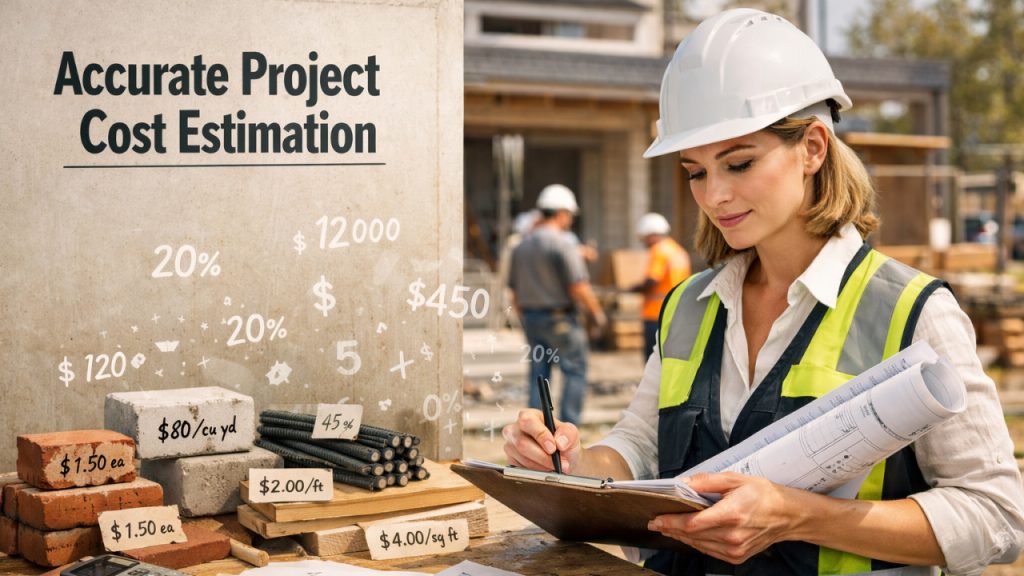
Budgeting is a critical part of construction and renovation projects. With digital estimation software, contractors can calculate project costs more accurately, and these detailed estimates can be shared to clients. Accurate budgeting is one of the most practical advantages of digital tools for constructing that benefit both contractors and homeowners.
Using these tools, contractors can estimate material costs, labor costs, project timelines, and potential risks to ensure successful completion of the construction process. These are advantageous to homeowners too as they can plan their budget accordingly and reduce the likelihood of unexpected costs during the project.
Budgeting software also helps construction companies track expenses throughout the project and ensure that projects remain within budget.
Smart Home Technology Integration
Smart home technology is another popular digital trend which is influencing home renovation. Many renovation projects now provide smart home features such as smart security systems, smart lighting, thermostats, and automated appliances.
Construction companies often plan renovations while keeping smart home integration in mind. They ensure that wiring, internet connectivity, and device placement are designed properly during the renovation process.
Smart home technology is pretty useful as it strengthens home security, improves convenience and energy efficiency, which makes it a popular addition to modern renovation projects.
Smart home features that are often included in renovation projects are:
- Smart lighting systems that can be controlled through mobile apps
- Smart thermostats that optimize usage of energy
- Home security systems with constant remote monitoring
- Keyless entry systems like smart locks
- Automated blinds and climate control systems
In modern homes, these technologies are becoming increasingly popular and common in and are influencing how renovation projects are planned.
Cloud Storage and Document Management
Cloud technology has also played a major role in the transformation of the construction industry. It helps companies manage important project files and documents. It allows easy access from anywhere and at time to blueprints, contracts, permits, and invoices. Cloud-based document management is now one of the most widely adopted digital tools for construction teams managing complex multi-site projects.
This eliminates the need for physical copies, reducing the risk of lost paperwork, and making project documentation more organized. With cloud innovations, it has become easier for contractors, architects, and homeowners to access important documents without juggling with hard copies. Digital document management systems are useful in maintaining records for future repairs, upgrades, or property sales.
The Future of Digital Construction
In the coming years, the construction industry is expected to keep adopting and utilizing new technologies. One of the key forces that is driving this shift across industries is the rapid advancement of AI models. Many innovative technologies such as artificial intelligence, drones, automation, and virtual reality have already started transforming the way construction projects are planned and executed.
Many construction sites use drones to keep an eye on the progress; AI is assisting organizations to predict timelines and costs of the project more accurately, and virtual reality is creating immersive design experiences. These technologies will likely continue improving efficiency, safety, and project quality across the construction industry. Furthermore, the adoption of virtual reality safety training allows workers to gain hands-on experience with site hazards in a controlled environment, significantly reducing the likelihood of real-world accidents and injuries.
Technology Is Reshaping Construction and Renovation
With the help of digital tools, construction and home renovation industries have been transformed from manual to a more efficient, organized, and technology-driven field. Technologies such as project management software, 3D design tools, smart home integration, and cloud storage are constantly improving the planning and completion of renovation projects.
These digital tools offer effective communication, strategic project planning, and smoother renovation experiences to homeowners. On the other hand, construction companies leverage these tools to improve efficiency, lower chances of error, and drive better results.
Constant evolution of digital tools fuels the construction and home renovation industry advancement. It is becoming more transparent, efficient, and innovative. Finally, the continued adoption of digital tools for construction and renovation will define which companies lead and which ones will be left behind in the coming years. Along with revolutionizing how homes are built and renovated, technology is also enhancing the overall experience for homeowners and construction professionals alike.