

The community of fighting games is all about self-expression, creativity, and personal style. Fans are always excited to bring their passion into the real world through various things like custom
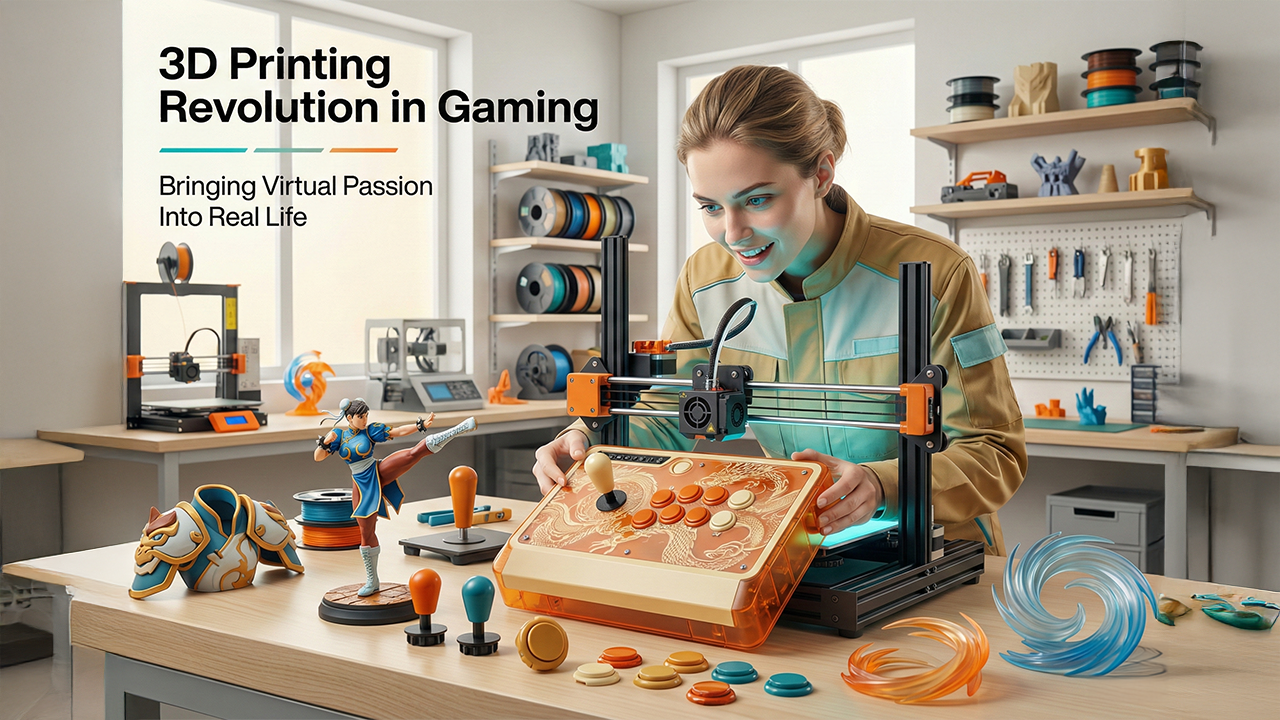
The community of fighting games is all about self-expression, creativity, and personal style. Fans are always excited to bring their passion into the real world through various things like custom controllers, character-inspired gear, or limited-edition collectibles such as figurines or merchandise.
In recent years, 3D printing has quietly emerged as one of the most powerful tools to drive this movement. What used to require specialized shops, costly manufacturing techniques, or hard-to-find parts can now be created right at home or ordered from talented small creators with remarkable precision.
This emerging technology is removing barriers, facilitating smooth experimentation, and empowering players with unprecedented control over how they choose to express their fandom. Let's see how 3D printing is now reshaping the creative landscape for all fighting-game fans.
1. Custom Controller Mods Designed for Personal Playstyle
Fighting game players live and die by precision. Frame-perfect execution depends on comfort, grip, ergonomics, and reliable hardware. 3D printing has unlocked a new era of controller personalization by making it easy to create original components that fit a player’s unique needs.
Fans are now producing custom joystick tops, grip adapters, textured button surrounds, and full controller shells that are sculpted for better handling. Because designs can be created digitally, players can experiment with weight, shape, and surface feel in ways mass-produced accessories simply cannot match.
This constitutes a wider movement toward open-source designers and small creators who have a better understanding of what passionate and competitive players want.
2. High-Precision Cosplay Props and Wearables
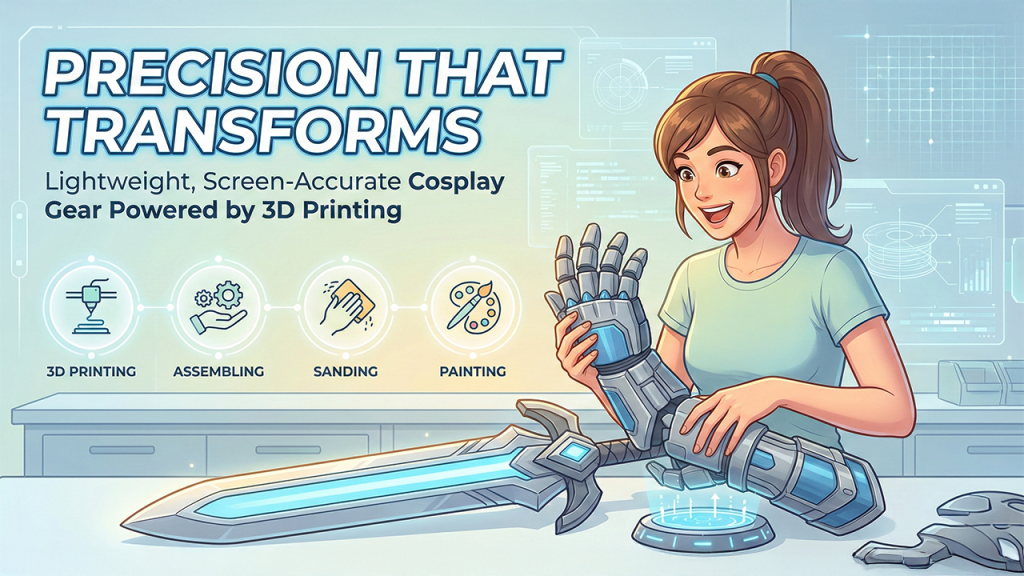
Fighting-game cosplay characters usually have strong weapons, elaborate armors and accessories that are not possible to replicate with 100% precision using old style materials. But this problem has been solved by 3D printing. 3D printing has made it possible to build screen-accurate models with intricate or fine detailing and proportions that are perfect.
There are several cosplayers that rely on digital sculpting and resources to convert their reference art into files that can be printed. These printable files can be assembled, sanded and painted to professional quality.
The use of lightweight printed pieces makes it easy for a cosplayer to carry their prop creations at conventions. The modular construction of props will allow larger prop items, such as staffs and oversized swords to be printed in sections to be assembled together.
3. Affordable and Unique Collectible Figurines
Collectors in the fighting-game community are often limited by what manufacturers decide to produce. If a character has a niche fan base or a specific skin or pose that isn’t commercially popular, fans typically have no way to obtain a physical version.
3D printing has turned this limitation on its head.
Fans can now model their favorite characters in dynamic poses, alternate outfits, or iconic victory animations, then print them at home or through platforms like a 3D printing service Sculpteo, and similar creators.
One-off custom figures become practical because 3D printing doesn’t require any industrial molds. This results in an increasing growth of hyper-personalized collectibles that are not available in retail stores for sale.
For those collectors who are serious about this, this offers them an opportunity of unlocking a new tier of display pieces which are highly detailed, unique, and has a deep connection to their personal expression of fandom.
4. Rapid Prototyping for Fan-Made Accessories and Desk Gear
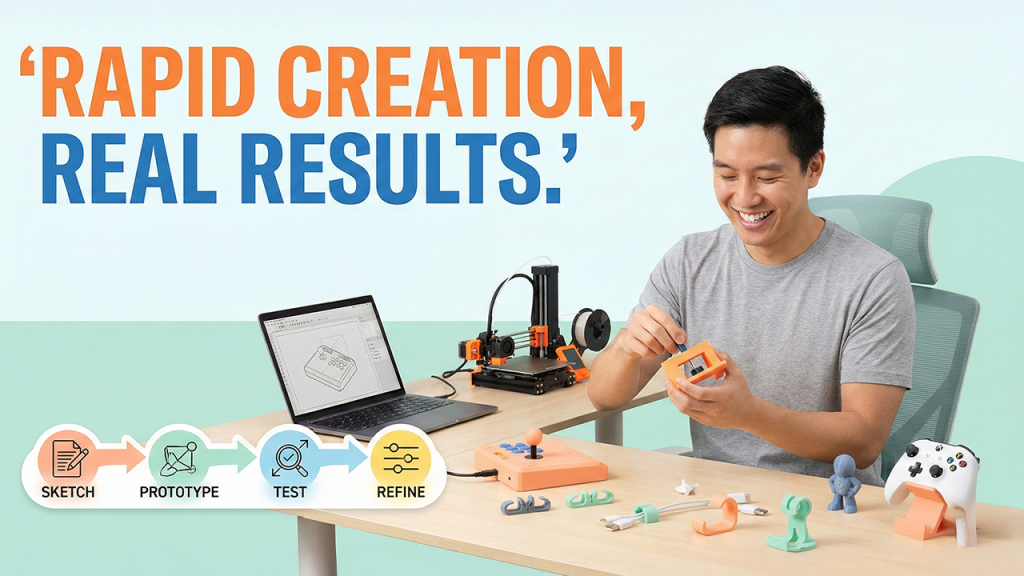
Several fighting-game fans like to customize setups, particularly for tournament or home battle-station environments. 3D printing makes it easy to design, adjust, and test small items that solve everyday problems.
Some of the most popular creations include:
- fight-stick stands
- cable organizers
- headset hooks
- themed desk figures
- controller display stands
- keyboard or fight-stick keycaps
The rapid prototyping benefit is huge. A fan is able to identify a problem, draft a solution, print, and test it. He can also revise it if he wants and then generates a final version within the same day. This speed empowers hobbyist designers in a way that traditional materials never could.
5. A New Wave of Console and Fight Stick Modding Culture
Although Modding has been part of fighting-game culture for a long time, 3D printing has dramatically offered flexibility to what fans can do. Shared digital design files now make it easy to produce:
- decorative console plates
- custom faceplates and bezels
- vent covers
- snap-on accessories
- themed side panels
- custom controller docks
For customizing fight sticks, fans are now creating replacement shells that have unique layouts, branding, or character-inspired themes. These designs do more than change the appearance; some add better airflow, more comfortable hand placement, or improved cable routing for tournament setups.
Modding is no longer reserved for those with technical equipment or specialized tools. A digital model and a printer are all that is needed to build a standout setup.
6. Community-Driven Design Libraries and Open-Source Collaboration
Some of the most exciting developments come from community collaboration. Fans upload models, remix each other’s ideas, fix errors, and improve details. Over time, this has generated large collections of designs inspired by popular fighting-game characters, items, and symbols.
Open-source design culture is accelerating innovation. Beginners can jump in with no background in modeling, using existing files as templates. More advanced creators can distribute their work to thousands of fans instantly.
The creative cycle is becoming more accessible, faster, and more community-focused than ever.
7. Bringing In-Game Weapons and Signature Items Into the Real World
Among the most exciting uses of 3D printing is the transformation of digital items into physical replicas. Fighting games are filled with iconic visual elements such as Ryu’s gloves, Jin’s armor textures, Scorpion’s mask, Akuma’s prayer beads, or even stylized energy effects.
Fan artists can now:
- extract reference models
- recreate digital assets in 3D software
- resize them for real-world proportions
- print them in materials that are durable
These pieces are often used as standout to display items on shelves, in gaming rooms, or at community level events. The ability to convert something that was once inside a game screen into a tangible object helps deepen and strengthens fans’ emotional connection with their favorite characters.
3D printing has given fighting-game fans something powerful: the ability to create. It democratizes craftsmanship, fuels a more expressive community, and blurs the line between digital passion and physical design.
As technology only continues to improve, fans' creativity in fighting games seems destined to increase much quicker, thus opening doors for new forms of artistic expression throughout the genre.
Respond to this article with emojis