
Families matter a lot when someone is going through mental health stuff. Patients do better when their loved ones are around and involved. But it is not always easy. Sometimes families
Families matter a lot when someone is going through mental health stuff. Patients do better when their loved ones are around and involved. But it is not always easy. Sometimes families want to help but don’t know how. Other times, they get frustrated or confused. And staff can’t always explain everything over and over. It can feel messy. A little planning helps a lot.
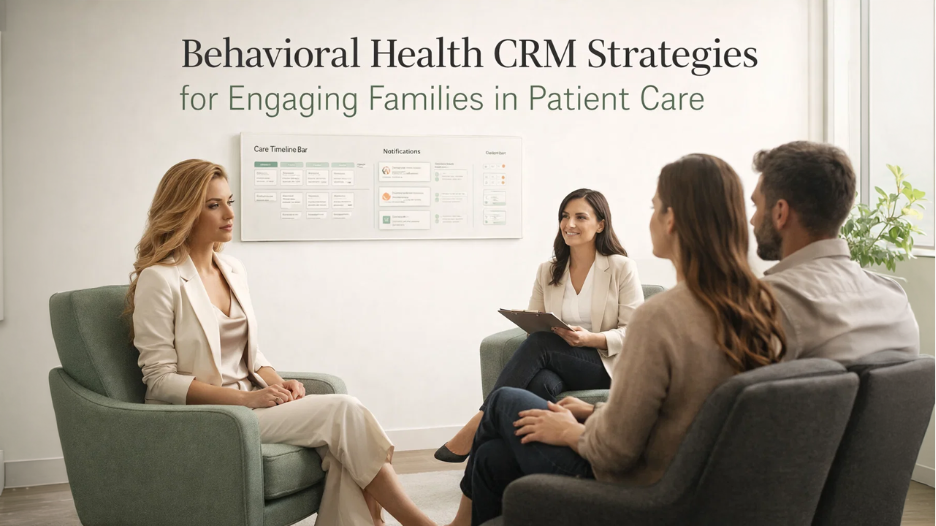
A behavioral health CRM can help with keeping things in one place. You can track who is involved, share updates and organize schedules. Families get info without calling all the time. Staff don’t have to repeat themselves. Everyone is less stressed. When it works right, families feel like they are actually part of what’s happening. Patients notice it too. They feel supported.
Here are seven ways to make it work better in your program.
1. Keep Families Updated Often
Families worry when they don’t know what’s going on. A behavioral health CRM can send updates. Could be about appointments, progress or just small changes. Notifications go out through email, messages or portal. Doesn’t matter how, what matters is that they get them.
Even tiny updates help. Families feel connected if they know what the patient is doing. Staff can set reminders to make it happen. Might be a note about therapy exercises finished or something new tried. Research shows family involvement in discharge planning is linked to better follow‑up care attendance. Families feel better. Patients feel seen. And over time, everyone trusts each other more. It’s small but it counts. It also cuts down random calls asking “What happened today?” which is nice for staff.
2. Let Families Use a Portal
Most CRMs have a portal. Families can log in. See goals, exercises and tasks. Can send messages, ask questions and keep stuff in one place. Advanced healthcare software development makes these portals user-friendly and secure for family access. Families feel they are in the loop. Staff can spend more time actually working with the patient instead of explaining stuff over and over.
Families check in when they want. Some daily, some weekly. It doesn’t matter. Having control makes them feel useful. Multiple caregivers can all see the same info. Everyone stays on the same page. Less confusion. Less arguing about who knows what. And patients notice that too. It shows that everyone cares and is working together.
3. Share Helpful Resources
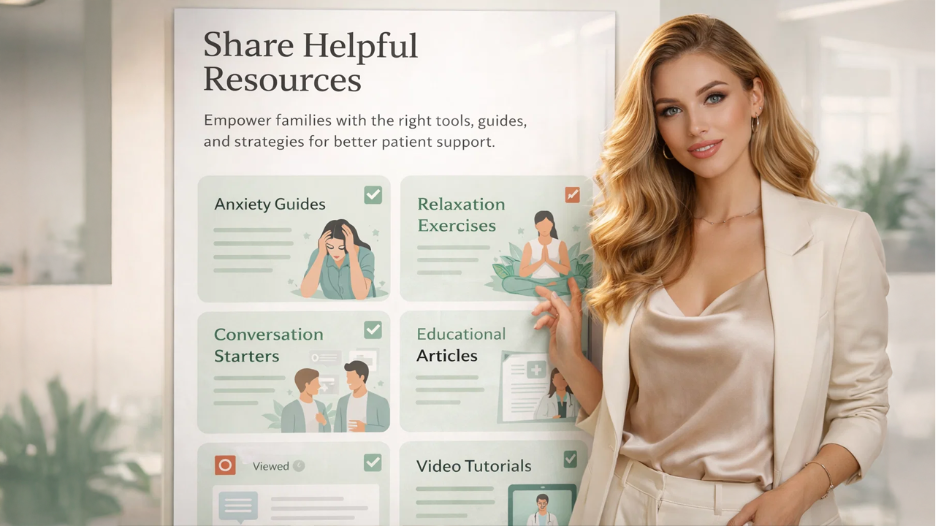
A CRM can store articles, videos and guides, anything families need to know. They learn about conditions, coping strategies, routines, ways to help at home.
Aparent of a teen with anxiety can see tips for panic attacks, relaxation exercises or conversation starters. Staff can track which resources were looked at. Then follow up if needed. Families feel supported. Staff can give advice without doing a million phone calls. Families also feel less stressed because they know what to do. Knowledge is power, basically.
4. Plan Family Sessions Smartly
Not all family members can make every session. A behavioral health CRM helps schedule things smartly. Staff can see who will be there. Track attendance.
The right people in the right sessions are better. Avoids overloading patients. Avoids staff stress. Families feel included. Helps staff prepare. No surprises. No awkward “Oh, where’s mom?” moments. It also makes families more likely to stay involved. They feel like they are making a real difference.
5. Listen to Family Feedback
Families see things staff might not. They notice stuff at home. CRMs can track this feedback. Staff can use it to adjust care.
Maybe a parent says a breathing exercise works well at home. Staff can bring it into sessions. Families feel heard. They are more likely to stick around. Also, catching small things early prevents bigger problems later. Staff feels supported too because they aren’t guessing. Patient care is better. Everyone wins. Families feel respected and that matters.
6. Celebrate Small Wins
A CRM can track milestones. Even small wins matter. Finish exercises, hit goals or try something new and notify the family. Celebrate it and it doesn’t need to be big. Just a note or mention in a session.
It motivates patients. Families feel proud. Shows families their support counts. Even tiny wins make a difference. Encourages everyone to keep going. Positive reinforcement works. And it feels good. People remember the little wins more than the big ones anyway.
7. Personalize How You Engage Families
No two families are alike. Some like emails, some phone calls, some like logging into a portal. A CRM can track this.
Personal touches matter. Staff can note who handles scheduling or who joins therapy. Makes communication smoother. Reduces mistakes. Families feel respected. They are more likely to stay involved. The staff doesn’t have to guess anymore. Everyone knows how each family wants to interact. It also helps in tricky situations. Families trust you more when you adapt to them. Patients notice. Everyone benefits.
Conclusion
Families are huge in mental health treatment. A behavioral health CRM can help make them part of the process. Updates, portals, resources, scheduling, feedback, celebrating and personalization, they all work together.
Patients feel supported. Families feel included. Staff don't get burned out repeating themselves. Everyone notices when care feels connected. Using a behavioral health CRM like this makes treatment easier and outcomes better. It’s not perfect but it’s a big step in the right direction. And small steps add up fast.
Respond to this article with emojis