
Why Identity Resilience Matters in Cybersecurity Strategies
Learn why identity resilience matters in cybersecurity strategies to reduce risks, strengthen access security, and protect digital assets.
In today’s cybersecurity world, identity resilience provides great value. Digital identity protection guarantees access to the right people while preventing unwanted entry. Anywhere online access is in accordance with the organization’s operations, identity assurance will be required. This piece is focused on why strong identity resilience is important for effective security planning.
Understanding Identity Resilience
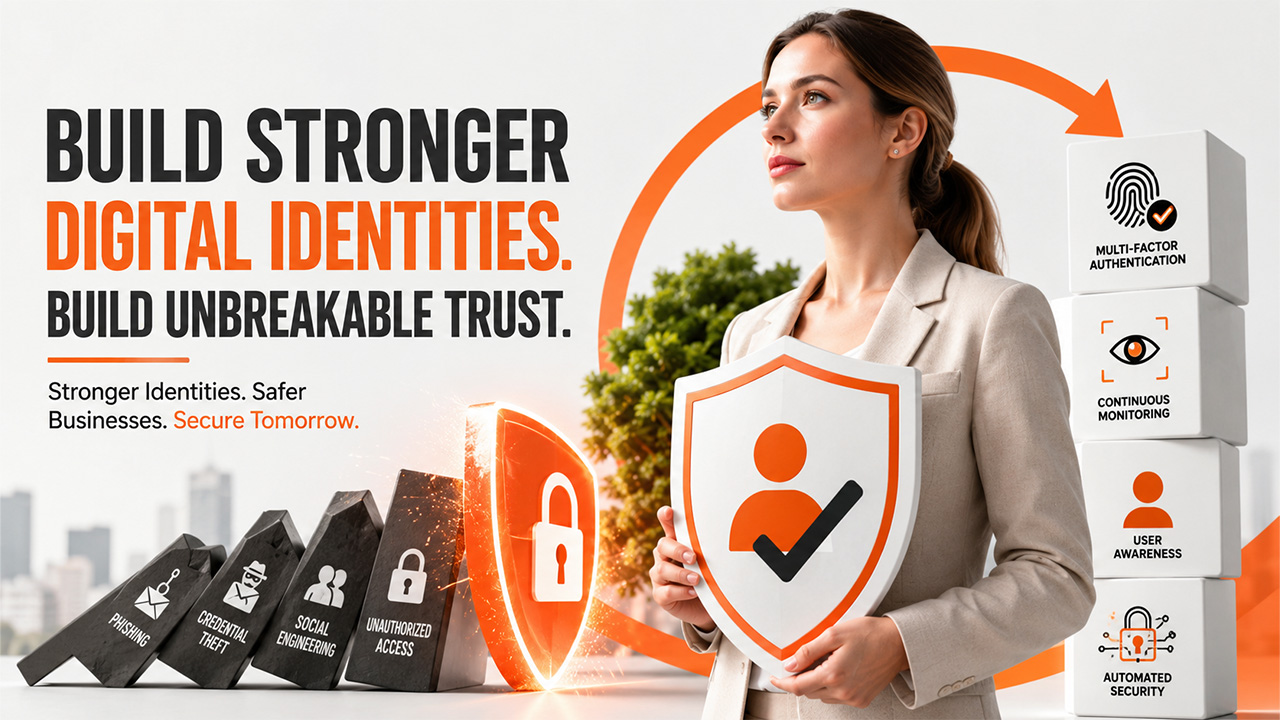
Identity resilience is the ability of an entity to maintain responsible, risk-proof, secure identities amid constant cyber threats. This includes keeping credentials secure, monitoring user activities, and responding to suspicious activity promptly. Reliable identity protections allow companies to mitigate the consequences of a potentially catastrophic data breach or unauthorized access.
An Increasingly Critical Mechanism
Identities are an entry point to sensitive information and systems. With the move to cloud-based work environments, more businesses rely heavily on digital credentials. These credentials are often targeted by attackers directly, as they provide a direct route to core data. Resilient identities help protect high-value enterprise resources from being compromised.
Common Threats to Identity Security
Multiple risks impact identity safety each day. Phishing attempts to entice users to disclose credentials. Credential stuffing uses credentials that have been reused. Social engineering forces people to give access. To counter these risks, organizations need to implement practices that increase identity resiliency and minimize exposure.
Role of Multi-Factor Authentication
The best identity defense comes from using multiple factors of authentication. Forcing the usage of two or more ways to verify one’s identity, such as a code or thumbprint, prevents attackers from having the ability to breach your information. If a password is compromised, unauthorized users have a very tough time breaking into systems. Layered authentication provides security for sensitive resources, supporting security as a whole.
Continuous Monitoring and Rapid Response
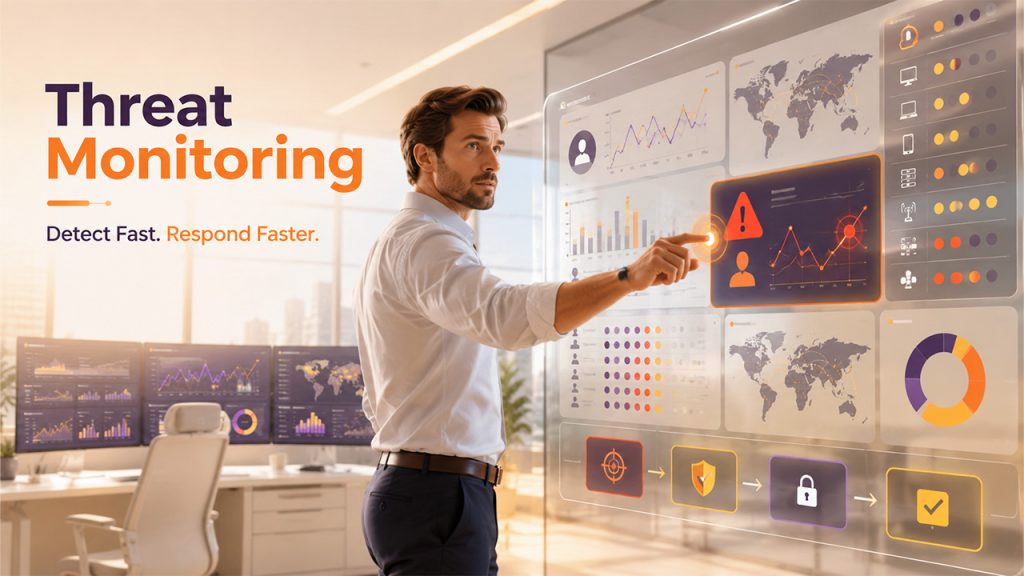
Continuous monitoring identifies threats ahead of any damage. Login patterns, usage by device, and access timing can all be monitored to detect any suspicious behavior in minimal time. The sooner security teams are able to respond and contain an incident, the better. Such a proactive stance maintains trust and decreases the cost of recovery after a breach.
Educating Users on Safe Practices
Related walkthrough
Flint K12 Review | How AI Is Transforming Personalized Learning for Schools

Employee education supports identity resilience. Staff who have been trained on how to create a safe password, how to identify phishing attempts, and the process for reporting anything unusual are much more empowered. Users become strong defense partners of organizational identities when they are aware of the associated risks, and they act accordingly to mitigate them.
Automating Identity Management
Identity management becomes easier with automated tools because they perform quite a few routine tasks by themselves. These solutions can disable compromised accounts, reset credentials, and enforce access policies within minutes. It also helps reduce human error, allowing for faster responses to threats. By making systems more dependable, they create more reliability and greater protection for digital identities.
Aligning Identity Resilience with Compliance
Several industries have regulations and guidelines that require organizations to define policies on access and privacy of data. In order to adhere to these standards and to save themselves from legal consequences, protecting identities becomes a priority. Audit trails are also clearly defined, and information can be accessed in a controlled manner, benefiting compliance efforts. A commitment to strong identity resilience is a commitment to both security and regulatory obligations.
Benefits of Strong Identity Resilience
There are many benefits of strong identity protection. This minimizes the chances of intrusion, unauthorized access, data breaches, and financial losses. When incidents occur, it helps keep business operations ongoing. Identity resilience is a positive indication to clients and partners that an organization can be counted on to protect sensitive data. All these efforts eventually help the business’s growth and stability in the long run.
Planning for the Future
As cyber threats continue to evolve, so does the importance of identity resilience. Organizations should continuously evaluate their identity security practices and evolve to address new risks. A combination of smart investments in advanced authentication, various monitoring tools, and just giving staff proper training and guidelines ensures you are prepared. By keeping aware of threats, you will protect your most valuable assets and sustain a secure digital environment.
Wrapping Up
Identity resilience is an essential component of any effective cybersecurity posture. Securing digital timelines reduces risk and helps with compliance with key regulations. Organizations leverage best practices like multi-factor authentication, continuous monitoring, and employee training to fortify their defenses. Businesses that prioritize identity resilience today ensure a safer tomorrow for themselves and their stakeholders.