
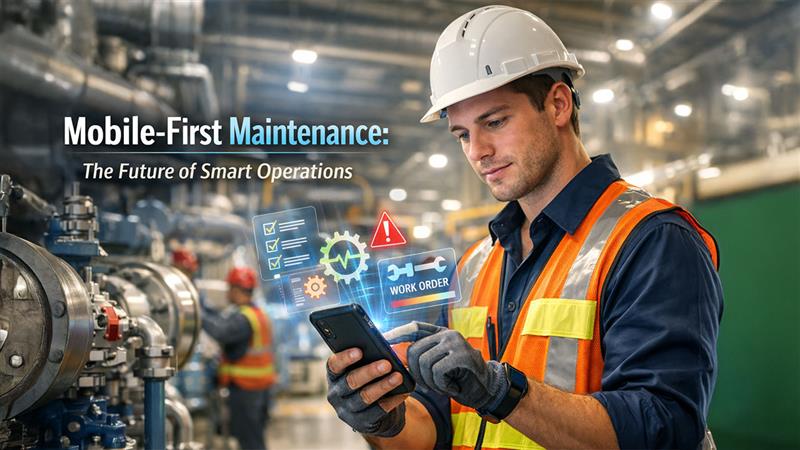

Maintenance once revolved around clipboards, walkie-talkies, and that one technician who knew the machine better than anyone. It was practical for its time, but it doesn’t work anymore. Today, assets
Maintenance once revolved around clipboards, walkie-talkies, and that one technician who knew the machine better than anyone. It was practical for its time, but it doesn’t work anymore. Today, assets are spread across sites, technicians are constantly on the move, and leaders are perpetually under the pressure of turning information into action.
If you have already explored a CMMS software guide, you have probably noticed that the systems that win are designed for phones first and desktops second. Mobile is no longer a bonus feature. It is one of the most crucial aspects of optimizing the maintenance process. Here are the seven key reasons why mobile-first maintenance is rapidly becoming the new standard.
1. Technicians Work on the Move, Not at a Desk
Most maintenance work happens on the plant floor and not by sitting at a desk. Forcing technicians to remember important facets and update them later is a guaranteed way to lose data, miss steps, and create rework.
A mobile-first approach lets workers open tasks then and there, examine asset history, and log work from wherever the job actually happens. A mobile-friendly CMMS removes the gap between doing the work and documenting it, where errors, missed checks, and shortcuts usually creep in.
2. Real-Time Information Becomes the Default
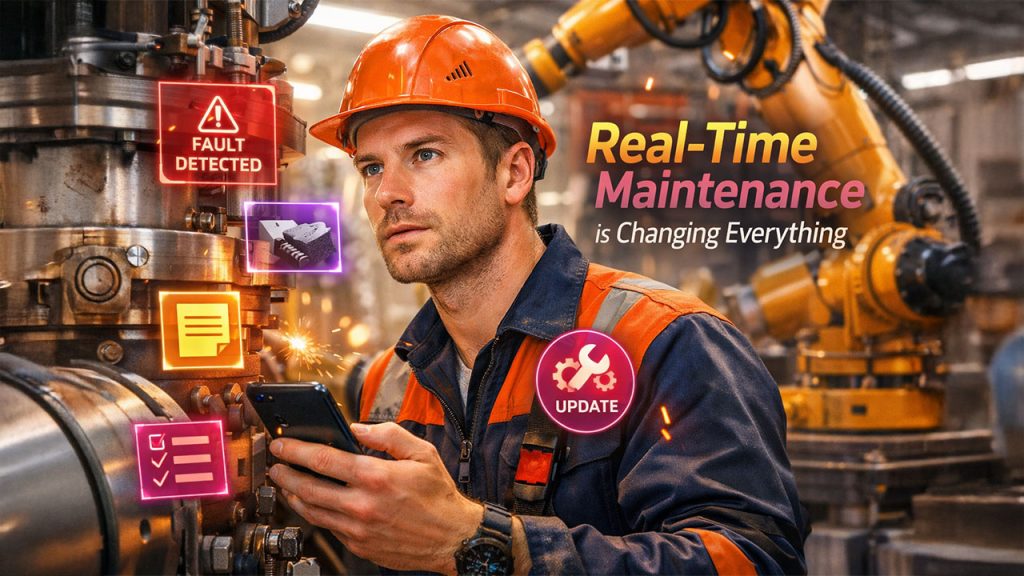
In a traditional setup, supervisors wait for paper, spreadsheets, or updates after the shift ends to know what is really happening. By then, it’s too late to reroute labor, escalate an issue, or prevent downtime.
With mobile-first maintenance, updates flow in as jobs move. Real-time updates include new faults, status changes, photos, and notes. It implies planners can see emerging risks, shift priorities, and support technicians while the work is still in progress, not after the damage worsens.
3. Safer Work Because Critical Information Can Be Easily Accessed
Safety procedures don’t help if they’re buried in a folder back in the office. Technicians need access to lockout-tagout steps, hazard notes, and permits at the exact moment they’re about to start work.
Mobile-first maintenance puts those documents, checklists, and risk controls a tap away. Teams can review procedures on-site, attach photos of hazards, and log near misses as they occur. Over time, the process creates a far richer safety record and a stronger culture of “doing it right,” not just “getting it done.”
4. Less Admin, More Actual Maintenance
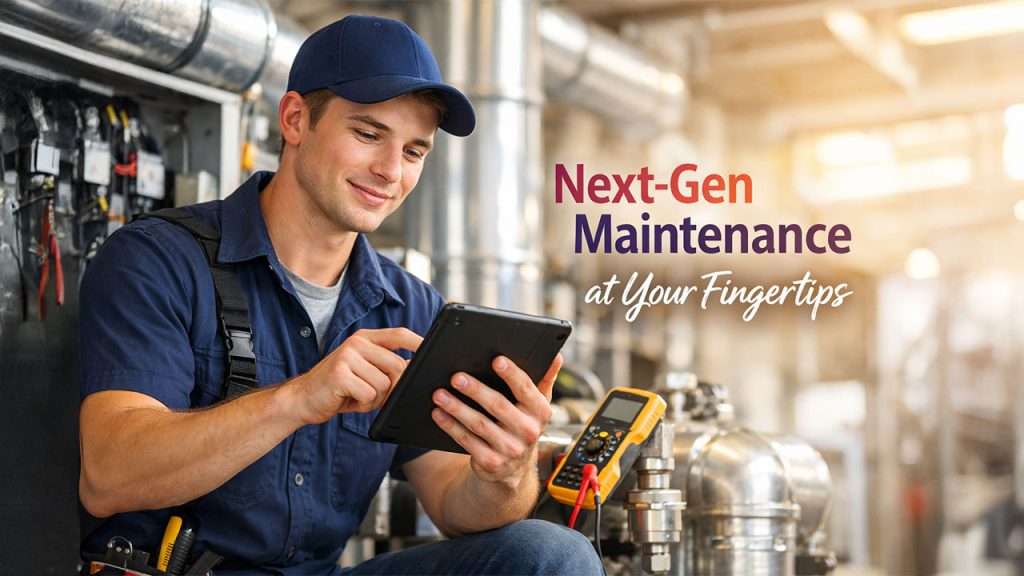
Taxing admin work wears down even the best technicians. Handwritten notes, double entry into spreadsheets, and chasing signatures all take time from the real work, which is keeping equipment running.
A well-designed mobile experience cuts that drag. Automating everyday business operations through mobile CMMS eliminates redundant data entry and manual handoffs. Technicians can scan a code, open the right asset, add parts, upload a quick photo, dictate a comment, and close the job, all from their phones. This reduces paperwork, speeds up approvals, and keeps data structured without asking people to become data clerks.
5. A Better Fit for the Modern Workforce
The next generation of tradespeople has grown up using smartphones. They expect tools to work like the apps they already use—fast, intuitive, and available on the go. If your maintenance tools feel clunky or slow, they don’t just frustrate people; they quietly push competent technicians towards employers who have modern systems.
Mobile-first maintenance supports teams in the way they actually work. Short, clear screens, smart defaults, and offline capability make it easier to get work done, not harder. This improves adoption, reduces training time, and sends a clear signal that the organization takes both productivity and user experience seriously.
6. Unified Information for Every Location and Every Shift
Many organizations now rely on a mix of in-house teams, contractors, and remote experts. Without simple information sharing, individuals tend to rely on their own interpretation of accuracy.
A mobile-first platform gives night crews, day teams, contractors, and supervisors one shared view of the work, wherever they are. Tasks aren’t locked in a notebook or scribbled on a board; they’re stored in a system that authorized teams can pull up instantly on their phones. This consistency is what keeps standards high when operations scale or spread across locations.
7. Future-Ready Maintenance: Sensors, AI, and Data-Driven Action
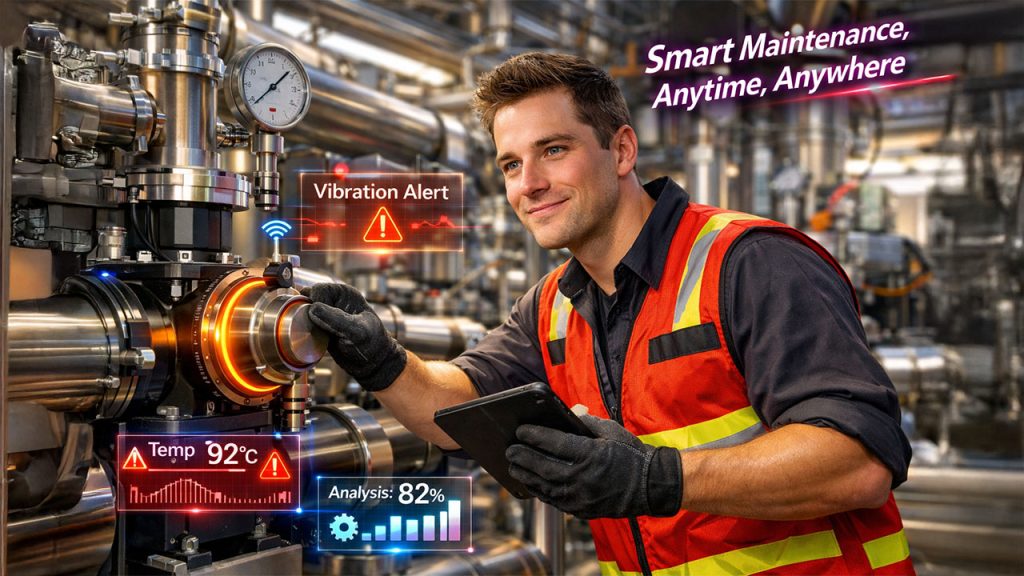
The move to mobile is not just about convenience; it’s about future-proofing. As more organizations roll out condition sensors, remote monitoring, and analytics, the question becomes: How do those insights reach the technician actually doing the job?
Phones and tablets become the point where your data strategy meets real work. Alerts, recommended actions, and asset insights can land directly in a technician’s pocket to help them ace the job. That’s when predictive thinking stops being a theory and becomes part of daily operations.
Final Thoughts
Mobile-first maintenance isn’t a trend for early adopters anymore. It’s quickly becoming the baseline for teams that want fewer surprises, more control, and better days on the job.
For leaders, the question is no longer “Should we go mobile?” Instead, it is now “How quickly can we shift our processes, people, and tools to support it?” For organizations willing to make that shift now, the payoff is immediate: clearer work, faster decisions, and a steadier operation end-to-end.
Respond to this article with emojis