
How Modern Payment Processing Technology Is Transforming Omnichannel Businesses
Learn how modern payment processing technology helps omnichannel businesses unify transactions and simplify payment management.
Today’s businesses can’t assume that customers will always make purchases through the same channels. One customer may use an app, while another may prefer to speak with an employee and complete a purchase in-store. Consequently, businesses need to be smart about building payment processes that are accessible and easy regardless of where a customer buys a product.
At the same time, businesses don’t want to be stuck juggling complicated payment systems across different channels. Thankfully, the latest tech can streamline payments for businesses eager to invest their energy in growth. Read on to learn how modern payment processing technology is transforming omnichannel businesses.
Supporting Multiple Payment Systems
Quality control and consistency are key for businesses operating payment systems in different spaces. If a customer discovers a product online and then goes to the business’s actual storefront, the experience should be seamless. Maintaining consistent processes can help earn and retain customers and strengthen the business’s brand.
With modern payment systems, businesses can ensure that customers have the same experience, regardless of where they make a purchase. Whether they’re paying through a website, app, or in-person storefront, the checkout process will be familiar.
If a customer buys a product online, the business’s payment system can store their payment information. That makes the customer’s next purchase faster. And even if they previously made a purchase using the business’s app, a clerk at the business’s physical store should be able to access that information, as well.
When customers know they won’t need to re-enter credit card details or navigate through endless checkout steps, they’ll be more likely to become returning customers. Businesses interested in nurturing their customer base can’t afford to neglect seamless payment processes across channels.
Choosing the Right Gateway
As businesses chart a path toward growth and expansion, they need to partner with the right payment gateway to keep customers happy. A payment gateway acts as the intermediary when a customer decides to make a purchase. It accepts a customer’s payment details at checkout and then sends them to a payment processor for approval.
A good payment gateway can protect credit card information through encryption, ensuring a smooth and safe process as it interacts with a bank or financial institution. A gateway also houses timestamped transaction records, plus tokenized credit card information.
Businesses want to choose a payment gateway that is able to handle everything from credit cards to digital wallets and bank transfers. That way, a business can offer several payment options for customers. When customers don’t feel limited, they may be more likely to follow through with a purchase.
Customers can find an adaptable payment gateway solution with Xplor Pay payment technology. This service helps businesses process payments safely and efficiently, and the technology can grow alongside the business. Businesses can find a user-friendly approach to payment processing that includes encryption and support for a range of billing channels.
Simplifying Payment Management
Too many payment systems can be a lot for businesses to oversee. And if a business is using a different payment system for its online store and in-person store, that can create management headaches.
Businesses need a simplified way to monitor transactions and tackle disputes. Quick response times when a customer has a question or concern can boost customer retention and brand reputation.
With an integrated payment system, all key details can be connected and updated in a central hub. For business leaders, this approach to payment management results in a more comprehensive picture of how the business is doing.
Businesses can see how many products are returned at a given time. They can look at subscriptions and submit invoices. And they can review customer records when problems arise.
In short, with an integrated payment system, businesses won’t need to check different platforms to track inventory or financial data. For a business already trying to keep a lean profile, a centralized system is essential.
Connecting Payment Services
Related walkthrough
Flint K12 Review | How AI Is Transforming Personalized Learning for Schools

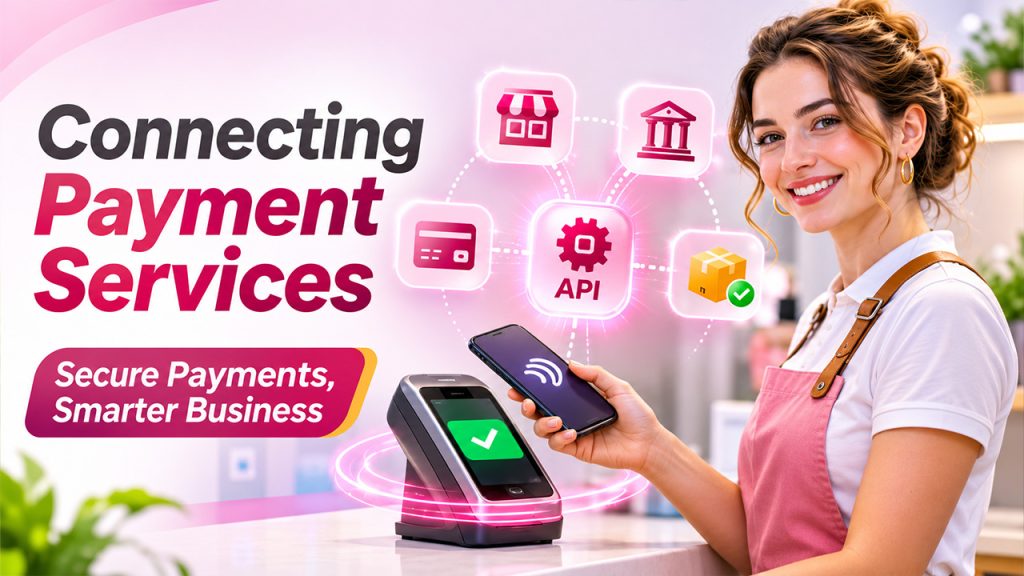
Application programming interfaces (APIs) can help bridge communications between platforms. In a situation where a customer submits a payment via an app, for example, APIs enable a safe transfer of money. APIs send encrypted messages between the app and the customer’s financial institution to confirm the purchase.
APIs are central to how businesses conduct operations. They can authorize requests and connect to inventory or accounting platforms. They can also keep data synced so businesses have the most accurate picture of transactions, stock levels, and other key data points.
With payment processing, APIs can act as the link between different points in the transaction. The API gathers payment details and processes a customer’s credit card while keeping sensitive details secure. With APIs, businesses can accept different payment methods, use recurring billing, and provide an expedited checkout experience for customers without sacrificing security.
Keeping Financial Information Secure
With any online transaction, safety needs to be a priority. Businesses owe it to their customers to facilitate secure checkout processes. Further, businesses can protect their reputations by investing in rigorous payment oversight.
Scrambling payment information, using tokens for data storage, and turning to third-party payment processors are all ways businesses can maintain safer checkout practices. Businesses should use modern payment systems that actively use these practices to limit the potential for data breaches.
Businesses must make sure that every online or physical store has the same level of protections in place, too. Businesses should use tools to verify billing addresses and CVV codes, and they should watch for strange buying patterns. With diligent monitoring, businesses can steer clear of fraudulent activity and give customers a safe buying experience.
Providing Timely Transactions
Customers don’t want to be stuck waiting a long time to know if a payment submission goes through the system successfully. They want quick answers and transactions.
The latest payment processing tools can deliver faster results, giving customers the approval they want in a matter of seconds. The benefits extend to overall business operations, too. With faster processing, employees can spot glitches and intervene when customers aren’t having success with payments.
While faster transactions are a plus, it’s not always easy for businesses to manage them. That’s why it’s so important to use a centralized transaction management system. Locating transactions from both in-person and digital payments in one place can help businesses monitor sales, refunds, and problems in one space.
Managing Payment Transactions More Efficiently
Today’s modern payment processing technology can help a growing business keep its finger on the pulse of financial activity. When businesses invest in secure and integrated payment systems, they can provide customers with faster, simpler payment solutions. And businesses gain access to sales numbers that can help them shape future business decisions.
With a smart approach to using the latest payment processing tech, omnichannel businesses can lay the foundation for growth.