



Education has transformed in recent years. Conventional ways of education such as traditional classroom teaching, structured syllabus and authority of institutions do not define the pathways to learning anymore. Digital
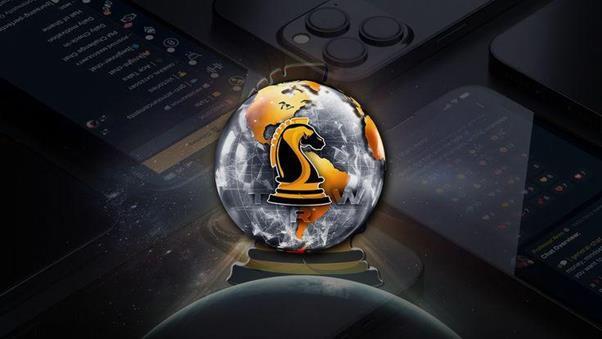
Education has transformed in recent years. Conventional ways of education such as traditional classroom teaching, structured syllabus and authority of institutions do not define the pathways to learning anymore. Digital platforms have emerger as smart alternatives to conventional education. They promise faster results, financial independence and skills that matter in the real world. At the center of this shift is hustle culture, a mindset that prioritizes constant productivity, self-optimization, and monetary success. Platforms such as The Real World present themselves as digital classrooms where hustle culture is encouraged and taught as a way of life.
This development raises important questions. However, this development raises important questions. Is online learning really a good alternative to outdated education systems? Or does it oversimplify success and put pressure on learners? To get a better understanding of this phenomenon, it is essential to examine how hustle culture functions within digital classrooms and what value it adds for modern learners.
The Rise of Hustle Culture
Typically, hustle culture arises from the long-standing belief that success only come to those who are disciplined, put relentless effort, and know how to take responsibility. It favours the idea of working hard and maintaining consistency to achieve wealth or status. While this philosophy is motivating but sometimes it falls short as it overlooks the structural barriers like socioeconomic background, accessibility to resources and mental health.
Social media has played a major role in promoting hustle culture. Many famous influencers flaunt their luxury life filled with freedom and confidence on social media. They often attribute their success to discipline and "grinding". These narratives that only showcase one aspect of life influences and appeal to youth who feel disillusioned with standard career paths and are dedicated to academic progression.
Digital learning platforms have capitalised on this mindset by positioning themselves as solutions to the frustrations of formal education.
The Real World as a Digital Classroom
The Real World offers an online alternative to conventional methods of education. It provides helpful instructions for skills like ecommerce, freelancing, copywriting, investing, and online business that prepare learners for the future. It rejects the theoretical knowledge that is being offered in schools or universities and favours income-oriented and practical learning.
The platform’s classroom structure reflects hustle culture values. It portrays learning as action-driven, competitive and urgent while encouraging students to implement strategies immediately, track their progress and improve overtime. Success stories are frequently highlighted, reinforcing the belief that effort leads directly to outcomes.
This approach appeals to learners who want fast, tangible results rather than long academic timelines. However, the focus on speed and profitability also raises concerns about depth, sustainability, and inclusivity.
Education Reframed as a Product

Commercialization of education is one of the notable features of hustle-based digital classrooms. The business of education has shifted dramatically as knowledge is packaged as a product, marketed with language that aspires and promises of bringing revolutionary changes. All this makes education a financial return on investment what was supposed to be about critical thinking or personal growth.
Learners are treated as customers in this model. Income has become a key parameter to measure success instead of understanding or long-term competence. This can empower individuals who are self-motivated but also risks reducing education to transactional learning.
Traditional education systems, despite their flaws, aim to build foundational knowledge and intellectual flexibility. Hustle-driven platforms give priority to immediate application, sometimes ignoring the broader aspect of learning.
Motivation vs. Pressure
Hustle culture thrives on motivation, but motivation can turn into pressure in no time. Digital classrooms often give emphasis to consistency, discipline, and comparison. Students see peers claiming success, which can inspire action but also create unrealistic expectations.
When learners struggle, failure is often framed as a lack of effort rather than a normal part of learning. This type of thinking or mindset can discourage students and reinforce them to blame themselves for their failures. In contrast, traditional education typically acknowledges learning curves, guidance, and structured progression.
The lack of personalised academic support on many hustle-based platforms may leave some learners feeling overwhelmed rather than empowered.
Accessibility and the Illusion of Equal Opportunity
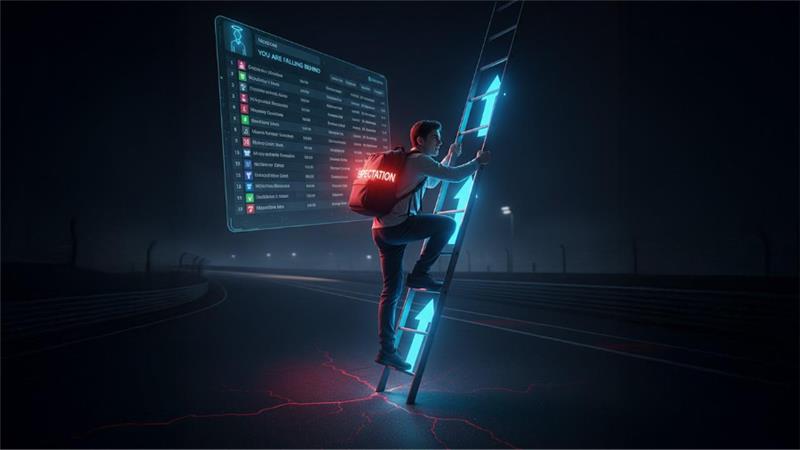
One of the strongest selling points of platforms like The Real World is accessibility. Anyone with an internet connection can join, regardless of background or formal qualifications. This democratisation of learning is a genuine advantage.
However, equal access does not guarantee equal outcomes. Hustle culture often assumes all learners start from the same position, overlooking factors like financial stability, prior knowledge, time, and mental health.
By emphasising personal responsibility alone, digital hustle classrooms risk oversimplifying success and ignoring the complexities of real-world challenges.
Skill Development in the Hustle Classroom
Despite criticism, hustle-based learning platforms do offer valuable skills. Many learners gain exposure to digital tools, online communication, and entrepreneurial thinking that are often not emphasised in formal education.
Skills such as self-marketing, adaptability, and initiative are increasingly relevant in modern economies. For motivated learners, these platforms can provide practical insights and confidence.
The issue does not lie in the skills themselves but in how they are framed. When learning is solely measured on the basis of income, other essential skills such as ethical reasoning, collaboration, and long-term planning may get sidelined and lose its value.
The Role of Identity and Masculinity
Hustle culture within platforms like The Real World often intersects with identity narratives, particularly around masculinity, independence, and dominance. Here, success is portrayed not only as financial achievement but as personal worth.
This framing can resonate with those individuals who are seeking purpose or direction, but it may also reinforce narrow or shallow definitions of success and self-value. Ideally, education should expand perspectives rather than confining identity to productivity alone.
Digital classrooms that prioritise the ideology of hustle risk creating echo chambers where alternative paths to fulfilment are not valued.
Learning Without Credentials
Additionally, hustle-based online learning rejects formal credentials. Certificates, degrees, and institutional validation are dismissed as unnecessary or outdated.
In some industries skills are prioritized over credentials. However, credentials still play a major role in many professional domains. Completely dismissing formal education can significantly restrict learner's future options if in any case they decide to move forward with traditional careers.
A balanced approach recognises the value of both practical skills and recognised qualifications.
Psychological Implications
Constant exposure to hustle messaging can affect mental health. The pressure to always improve, monetise skills, and outperform others may lead to burnout, anxiety, and self-doubt.
Digital classrooms lack the care and support systems found in traditional educational institutions. Without guidance, learners may struggle to manage expectations or cope with setbacks.
Education should not empower learners only economically but also intellectually and emotionally.
Rethinking the Future of Learning
The popularity of platforms like The Real World reflects dissatisfaction with existing education systems. Students nowadays are looking for relevance, flexibility, and autonomy. Hustle-based learning responds to these demands, but it is not a complete solution.
The future of education likely lies in integration, not replacement. To create more sustainable learning environments, it is essential to combine practical skill development with ethical awareness, critical thinking, and mental well-being.
If digital classrooms move beyond hustle as the sole philosophy, they have enormous potential to transform the education.
Conclusion
The Real World: Hustle Culture in the Digital Classroom represents a broader shift in how people perceive education, success, and self-worth. Hustle-based online learning platforms offer accessibility, motivation, and practical skills, but they also carry risks of oversimplification, pressure, and exclusion.
Education should prepare individuals not only to earn, but to think, adapt, and live well. Hustle culture may ignite ambition, but without a proper balance, it can undermine the very growth that it promises to deliver.
As online or digital learning keeps evolving, the challenge is not choosing between traditional education and hustle-based platforms but creating learning models that equally value both ambition and understanding; productivity and purpose.
Respond to this article with emojis