

Technology Integration Partners: 7 Factors to Evaluate Before Choosing One
Evaluate technology integration partners based on technical maturity, team capability, security, company stability, contractual terms, and employee adoption.
It’s important to consider dozens of variables before choosing technology integration partner. Vendor due diligence goes beyond APIs and sales pitches.
Companies fail when integration is an afterthought, not a foundational part of their tech stack’s architecture. Millions of record mismatches happen daily that take away from team productivity.
There are many questions CIOs should be asking to reveal potential weaknesses before signing a contract that could last years. Software integrations are table stakes in today’s business landscape. The depth of a partnership is revealed when you review scalability, team responsiveness, and technical risk.
Technical Maturity
Sales pitches can hide in plain sight if you don’t look beyond slide decks and sales points. You should review how they approach major legacy migrations. Technical maturity will show if the platform can handle your company’s scaling needs. Technical vision can save you from expensive future redevelopment.
Are the engineers familiar with custom APIs, data pipelines, and security practices? A lack of technical depth can lead to fragile connections that may break when software is updated. Technical maturity is evident when vendors think ahead about odd scenarios and build those exceptions into the initial product.
Data migration from one system to another is complex. Ensuring no data loss or corruption happens requires a stable environment. Ask your prospective vendors about their deployment processes and code review practices. Technical debt starts to pile up when architects are not involved in the technology planning process.
Team Capability
How will this vendor fit into your current operational structure? It’s important to evaluate companies with the right data integration buying criteria before making a decision. You don’t want to find a billion-dollar company that can’t scale to your team’s needs. You want a team that can think and communicate at your speed.
What happens when project requirements change? There will be some level of frustration when your product requirements evolve. Here are three things to look for when evaluating a team’s capability:
- Their uptime statistics from previous enterprise level implementations
- How quickly their team can respond to priority issues
- How they document any custom code implementations
Ensure there is an established support process and you know who to escalate issues to. Team capability can also be determined by how they manage ongoing support and monitoring. Ensure they have enough team members on staff so they don’t burn out when larger updates are released.
Company Culture
Company culture is thrown around frequently but is critical to the success of your project. Cultural differences can create speed bumps when working with external teams. Having a partnership where you and the third-party vendor are on the same page makes asking questions feel seamless. Like minds think alike, which will allow you to work through challenges with less resistance.
Long-term partnerships should feel like an extension of your team. A true technology partner will push back when something doesn’t make sense and advise you on the best course of action rather than just agreeing with you. Building trust with your technology partner begins with the discovery process. By vetting your technology vendor properly, you can weed out suppliers and keep the true partners.
Company Viability
Related walkthrough
SuiteCRM AI-Powered Mailchimp Integration (Lite)

You want to make sure the company you’re buying from will be around in 3, 5, or even 10 years. You should ask questions that give you insight into the company’s financial health.
What happens if they change business models half way through implementing your project? Do they have the financial backing to go out of business while you’re in the middle of a contract? Procurement can sleep easy at night when they know you’ve done your due diligence on balance sheets, churn rates, and investors.
Contractual Obligations
Similarly to financial stability, you should be aware of any contractual obligations that could leave you paying unforeseen costs down the line. Hidden maintenance costs and vendor lock in are painful to deal with down the road, so make sure any service level agreements (SLAs) are clear on pricing and how your partnership can be dissolved if product quality decreases.
Security, Compliance, and Data Ownership
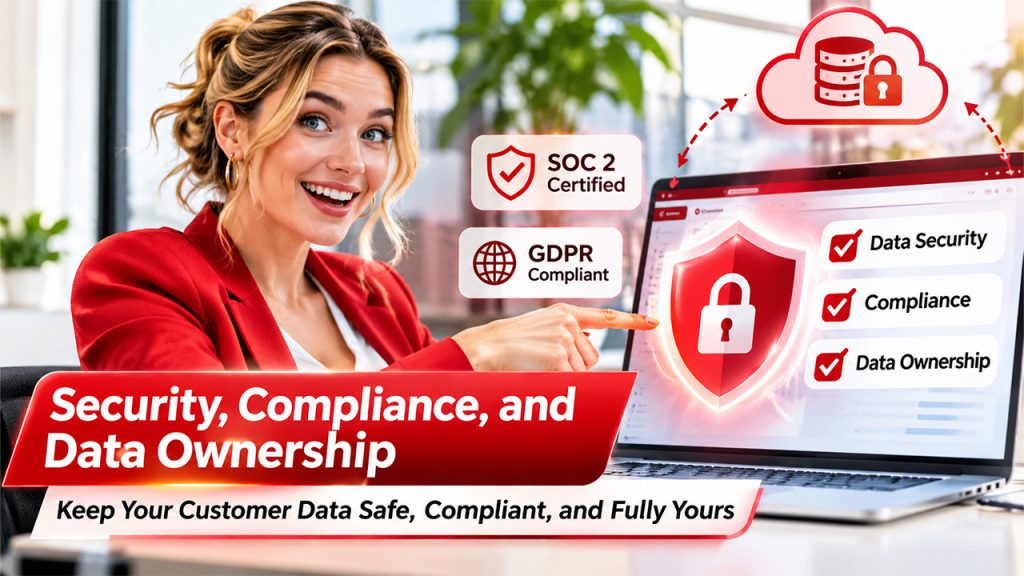
Integrating your technology stack with another company means you should be able to trust them with your customer data. As businesses collect customer data, security and compliance become more important.
How does the integration platform provider (IPP) encrypt data at rest? Do they have any security certifications you can review? A reputable IPP will have audit logs and compliance documentation available at the ready, since failing to meet security standards can cost your business big if you’re not careful.
You should also make sure that your data will always be yours. Don’t let any IPPs tie you to unwanted data ownership clauses.
If your partnership dissolves, you’ll want your in-house engineering team to have access to all your pipelines. You shouldn’t have to worry about an outside vendor holding your data hostage if you part ways.
Adoption
Technological innovation is worthless if your employees are not willing to adopt it. The right technology integration partners take their clients’ needs seriously by focusing on the end-user experience and enabling scalability.
They should also have training available for your employees after the integration launch. Empower your employees by providing documentation on new processes so they can break away from old company traditions.
Tracking adoption will allow you to proactively identify any problems your employees may encounter. Remember: your technology stack is people just as much as it is technology. The right technology partner should be just as invested in training your employees.
What Now?
At the end of the day, you should feel confident going into business with a technology integration partner. If they make you feel otherwise, keep looking. The right technology partner will not only improve your tech stack, but they will also save you from ever wanting to deal with technology infrastructure again. Learn more about how to manage your tech stack on our site.