

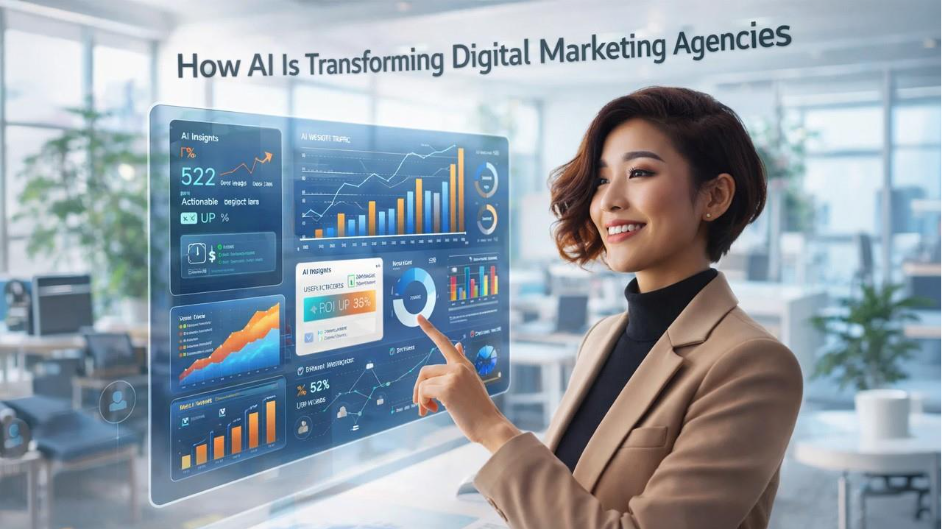
Digital marketing has always changed with technology. But in 2026, the change feels faster than ever. Artificial intelligence (AI) has moved beyond just experimentation. Slowly, it has integrated itself into daily operations and activities of AI-powered digital marketing agencies.
Digital marketing has always changed with technology. But in 2026, the change feels faster than ever. Artificial intelligence (AI) has moved beyond just experimentation. Slowly, it has integrated itself into daily operations and activities of AI-powered digital marketing agencies.
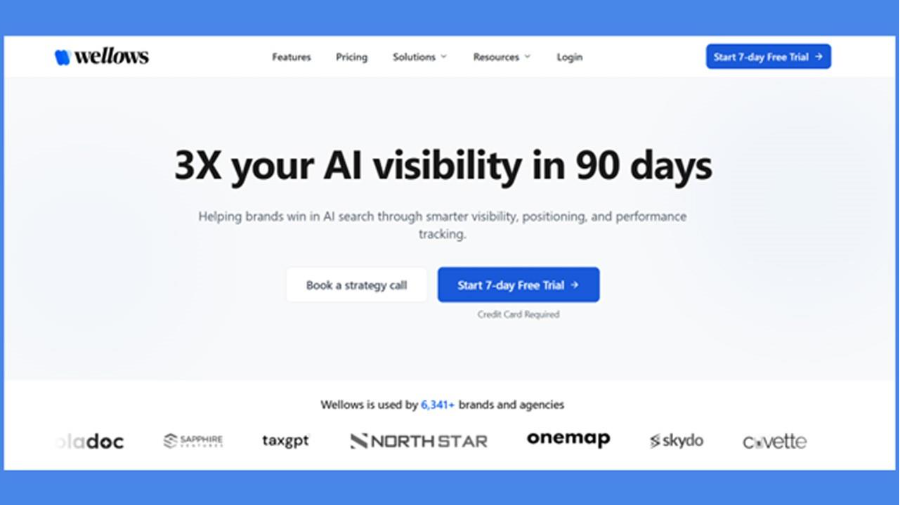
AI-fueled visibility platforms like Wellows that helps startups and growing brands get discovered in AI-driven search engines. This shows how modern AI tools are transforming the way industry operates. Today, even the top digital marketing agencies are using AI for various purposes such as automating tasks, building smarter strategies, improving personalization and driving real measurable growth.
AI is being used by agencies for various purposes; ranging from creating content and optimizing ads to SEO planning and offering customer support. However, it is not meant to replace marketers. Rather, it is helping them become smarter, faster, and more strategic.
This blog explores how AI is reshaping the digital marketing landscape in 2026 and why agencies that adopt AI wisely are performing well in the competitive market.
AI Is Turning Data Into Clear Insights
Data provides a runway for digital marketing. Every scroll, click, purchase, and sign-up produces information. However, data alone is not enough if it can’t give actionable insights. The real challenge lies in making sense of those large volumes of data.
Traditionally, marketing teams waste their time analyzing reports on platforms, like CRM systems, Google Analytics, and ad dashboards. Now, modern AI tools can process large amounts of data in seconds, improve efficiency, boost productivity, and save valuable time.
Agencies leverage AI to:
- Detect patterns in customer behavior
- Find interested leads with high likelihood of conversion
- Identify underperforming campaigns
- Identify sudden changes in engagement or website traffic
- Auto-recommend areas need improvements
With AI-powered marketing tools, agencies now have intelligent suggestions automatically without wasting time looking for answers manually. Therefore, they gradually improve and fasten their decision making with more efficiency and confidence.
In essence, AI-driven visibility platforms like Wellows are enabling agencies to understand the strategies brands use to appear across cutting-edge AI search environments. Rather than monitoring only conventional metrics, businesses can now measure direct or indirect brand references, offering them comprehensive visibility into their digital presence beyond advanced search rankings.
Content Creation Is Faster, But Still Human
Content is still one of the most important parts of digital marketing. Blogs, landing pages, emails, social media posts, and ad copy all play a major role in attracting and converting customers.
AI writing tools have become powerful assistants for agencies.
Today, AI can:
- Draft blog outlines
- Write rough content
- Create product descriptions
- Suggest different headline ideas
- Rephrase content based on different platforms
- Convert content in multiple languages
This can help marketing teams save time to focus on what matters most. Now, they take minutes to complete the tasks that require several hours of human effort when doing manually.
Thus, modern agencies understand something crucial: AI sets up the foundation, but humans optimize the message.
After generating content from AI tools, marketers still:
- Fix tone and voice
- Improve brand consistency
- Verify data and statistics on their own
- Add emotional storytelling
- Refine content for clarity and creativity
The best results come from combining AI speed with human creativity.
Hyper-Personalization Is Now Possible
Customers in 2026 expect personalized experiences. They do not want generic emails or ads. They want content that feels made just for them.
AI makes this possible at scale.
Digital marketing agencies now use AI to:
- Automatically segment audiences
- Send personalized email campaigns
- Recommend products based on browsing behavior
- Adjust website content in real time
- Show different ads to different users
For instance, more than one visitor may visit the same website, but the models suggest different offers based on their past actions. AI analyses customer behavior, interests, and how they adapt to products instantly.
This level of customization significantly improve:
- Click-through rates
- Customer loyalty
- Conversions
- Engagement
By adopting AI-powered personalization, agencies help brands establish stronger relationships with their target audiences.
How AI Transforms SEO Strategies
Search engines have become more intelligent than ever. In 2026, more and more AI-powered digital marketing agencies are adopting modern tools to refine their SEO strategies to focus on user intent and high-quality content.
Agencies now leverage AI tools to refine their SEO strategies by:
- Finding high-intent keywords
- Detecting issues in content
- Refining content structure
- Evaluating competitor content
- Identifying technical SEO errors
- Enhancing content for AI-powered search results
Instead of juggling in identifying which topics will perform well, agencies leverage AI to find real opportunities. AI enables marketers to understand how content appears in advanced search results, including conversational search interfaces and AI-generated summaries.
In 2026, more and more digital marketing agencies are adopting modern tools to refine their SEO strategies to focus on user intent and high-quality content.
In the modern digital landscape, SEO is not limited to stuffing keywords; it has gone beyond developing helpful, structured, and user-centric content, powered by AI insights.
Smarter Paid Advertising With AI
Paid advertising has become more competitive and more expensive. AI is helping agencies reduce waste and improve results.
Modern ad platforms already use AI for bidding and targeting. But agencies now use additional AI tools, like performance marketing tools, to improve campaign performance even further.
With AI, agencies can:
- Test multiple ad variations at once
- Allocate budget more efficiently
- Pause low-performing ads
- Predict which audiences will convert
- Automatically adjust bidding strategies
AI continuously trains its system from performance data. The efficiency drastically improves proportionally with the volume of data they collect.
Agencies don't run campaigns on guesses or assumptions; instead, they leverage AI-driven optimization strategies.
The outcome?
- Lower cost per acquisition
- Higher return on ad spend
- Better targeting accuracy
As clients demand quantifiable results, AI makes this possible by helping agencies deliver them consistently.
Predictive Marketing Is Changing Planning
Among the most robust applications of AI in 2026 is predictive analytics. AI can evaluate past performance and predict future outcomes. This supports agencies shift from reactive marketing to proactive strategy.
Predictive analytics fosters agencies to:
- Identify churn risks
- Forecast sales trends
- Predict client requirements early
- Estimate customer lifetime value
- Plan future campaigns with confidence
For example, if AI predicts that a certain product category will rise in popularity next quarter, agencies can prepare campaigns early. This gives brands a competitive advantage. Predictive marketing lowes uncertainty. It allows agencies to plan based on data, not guesswork.
Why Marketing Automation Is More Advanced Than Ever
Marketing often comes with many redundant tasks, such as scheduling posts, updating CRM records, sending follow-ups, and creating reports that require valuable time to handle.
AI-powered automation tools now manage all these tasks efficiently.
This includes:
- Automate email sequences
- Schedule content across platforms
- Score leads based on behavior
- Send reminders and follow-ups
- Create campaign performance summaries
This allows marketing teams to focus more on improving strategy and creative thinking. By 2026, automation goes beyond just saving time. It is about creating smooth and consistent customer journeys.
AI Chatbots Are Improving Customer Experience
Customer expectations have increased. People want instant responses.
AI chatbots have evolved significantly. They now understand context, tone, and intent much better than before.
Digital marketing agencies implement AI chatbots to:
- Answer frequently asked questions
- Collect lead information
- Book appointments
- Recommend products
- Guide users through the sales process
Chatbots work 24/7. They improve customer satisfaction and capture leads even outside business hours.
More advanced AI assistants can even transfer complex conversations to human agents smoothly.
This combination of automation and human support improves both efficiency and trust.
Better Reporting and Transparency for Clients
Clients want clear answers to simple questions:
- What is working?
- What is not working?
- Where is the budget going?
- What are the results?
AI-powered dashboards now create easy-to-understand reports.
Instead of long spreadsheets, agencies can provide:
- Visual performance summaries
- Automated insights
- Conversion trend analysis
- ROI calculations
- Forecast reports
AI can even highlight unusual patterns automatically, such as sudden drops in traffic or unexpected spikes in engagement.
This improves transparency and strengthens client relationships.
When clients see clear data and insights, they feel more confident in the agency’s strategy.
Creative Testing at Scale
Creativity remains important in digital marketing. But testing creative ideas manually can take time.
AI tools now help agencies test creative elements quickly, including:
- Headlines
- Images
- Ad copy
- Calls to action
- Landing page layouts
AI can run multiple variations simultaneously and identify the best-performing option.
This speeds up the optimization process.
Instead of guessing which design or message works best, agencies rely on real performance data.
Creative decisions become smarter and more data-driven.
The Human + AI Balance
With all these changes, one question remains: Will AI replace digital marketers?
The simple answer is no.
AI is powerful, but it does not understand emotions, brand stories, or cultural nuance like humans do.
AI handles:
- Data processing
- Automation
- Draft creation
- Optimization calculations
Humans handle:
- Strategy
- Brand storytelling
- Emotional connection
- Creative direction
- Relationship building
The most successful digital marketing agencies in 2026 understand this balance.
They use AI as a tool, not as a replacement.
Challenges Agencies Must Manage
While AI brings many benefits, agencies must use it responsibly.
Some key challenges include:
1. Data Privacy
Agencies must protect customer information and follow privacy regulations.
2. Over-Automation
Too much automation can make marketing feel robotic. Human touch is still important.
3. Quality Control
AI-generated content must be reviewed and edited carefully.
4. Ethical Concerns
Agencies must avoid misleading AI-generated claims or biased content.
Responsible AI use builds trust with both clients and customers.
The Future of Digital Marketing Agencies
In 2026, AI is not just an optional tool. It is part of the foundation of modern digital marketing.
Agencies that adopt AI effectively:
- Deliver faster results
- Improve personalization
- Reduce operational costs
- Increase ROI
- Scale without growing large teams
But technology alone is not enough.
The real advantage comes from combining:
- AI efficiency
- Human creativity
- Strategic thinking
- Ethical responsibility
Digital marketing agencies that embrace this approach are shaping the future of marketing.
Final Thoughts
AI is transforming digital marketing agencies in powerful ways. It is changing how campaigns are planned, executed, optimized, and reported.
From smarter data analysis to predictive marketing, from automated workflows to hyper-personalized experiences, AI-powered digital marketing agencies are helping businesses work at a higher level. But the future of marketing is not about machines replacing humans. It is about humans using AI to create better, smarter, and more meaningful marketing experiences.
In 2026, the most successful agencies are not just AI-powered. They are AI-enhanced and human-led.
Respond to this article with emojis