



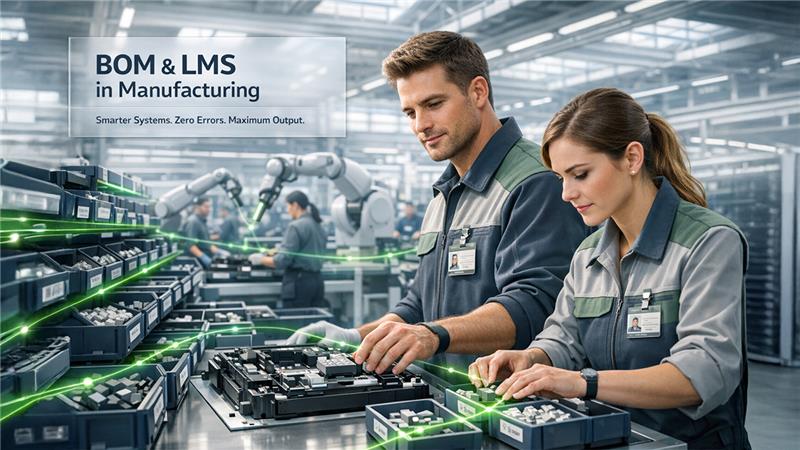

Modern Manufacturing is built upon precision, timing, and quality data. Production depends on the timely coordination of all resources (i.e., materials, labor) with scheduling (production, inventory, etc.) to avoid confusion,
Modern Manufacturing is built upon precision, timing, and quality data. Production depends on the timely coordination of all resources (i.e., materials, labor) with scheduling (production, inventory, etc.) to avoid confusion, inefficiency, and loss of quality.
Documentation and standardized processes will allow managers to maintain stability and quality within an organization's production process. The implementation of systems that support these processes will help organizations to decrease errors and increase efficiency throughout their organizations.
Manufacturing is rarely a static environment. As new laws, changing customer demand, and the introduction of new technologies occur at an increasing rate, manufacturers are required to rapidly respond.
The integration of structured BOM and LMS systems to meet the team's needs during periods of rapid change will build confidence in the team's ability to stay aligned. By using structured systems to track the status of employee training and material requirements, companies can make informed decisions that support consistency of output.
Companies that implement digital manufacturing tools will typically achieve a competitive advantage. Managers with access to more data than in traditional manufacturing practices can proactively identify potential issues and adjust plans before they become problems.
Compliance readiness and workforce training alignment
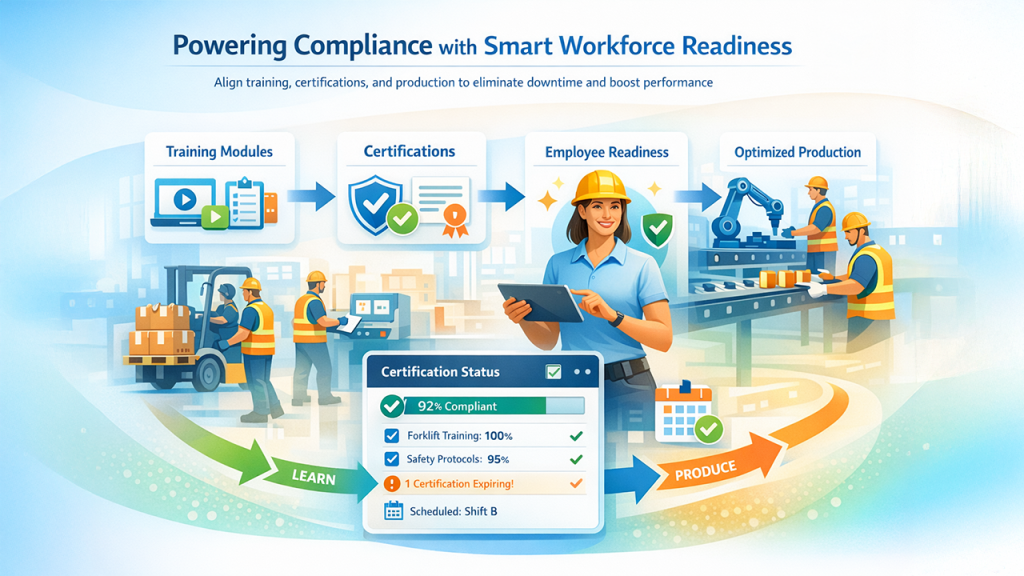
Manufacturers must connect workforce training with operational planning to maintain compliance and avoid production slowdowns. Digital learning platforms help managers monitor certification progress while aligning employee readiness with manufacturing schedules.
Solutions that demonstrate how Kallidus supports compliance training show how centralized learning environments simplify regulatory preparation. When organizations integrate training oversight into daily workflows, they reduce last-minute disruptions, strengthen safety practices, and maintain consistent performance across production cycles.
Workforce certification planning
Coordinating employee certification with production schedules is a responsibility that requires constant management and reliable access to data. The supervisors must know who has active certifications and who requires additional training to perform specific functions.
With an organized system for monitoring certification timing, businesses can reduce much of the uncertainty associated with scheduling. This clarity will allow teams to stay focused and ensure that only qualified workers are performing the most critical parts of the production process.
A clear framework for employee certifications also empowers employees to be accountable for their own career development. Employees who understand what is expected of them in their roles will be better prepared for new roles and performance expectations. Clarity around employee competencies contributes to higher levels of employee engagement and trust between frontline employees and leadership.
A well-planned certification strategy is a key component in achieving operational resiliency. By proactively anticipating when employees are ready to work, managers can plan resource utilization, ultimately eliminating unnecessary downtime and expense.
Real-time training insights
By accessing training status information in real time, supervisors can confidently schedule the necessary personnel to meet production needs. Prior to access to this centralized dashboard for tracking employee certification readiness, supervisors were forced to rely on fragmented reporting methods. With improved visibility into employees' readiness to perform assigned tasks, supervisors can accurately assign them to the appropriate team members.
Data-driven learning platforms help identify when a gap in a particular skill area may be emerging before it impacts an organization's ability to operate. A manager can then review a list of all employees' certifications and training modules to identify any incomplete ones or underperforming modules and address those issues right away.
The manager can also provide the targeted support the employee needs to increase his/her competency levels and produce high-quality products every time.
Over time, organizations that implement data-driven learning platforms will see less rework due to increased employee competency levels, improved morale from knowing what is expected of them, and, as a result, more consistent and reliable manufacturing timelines.
Understanding structured product data and production accuracy
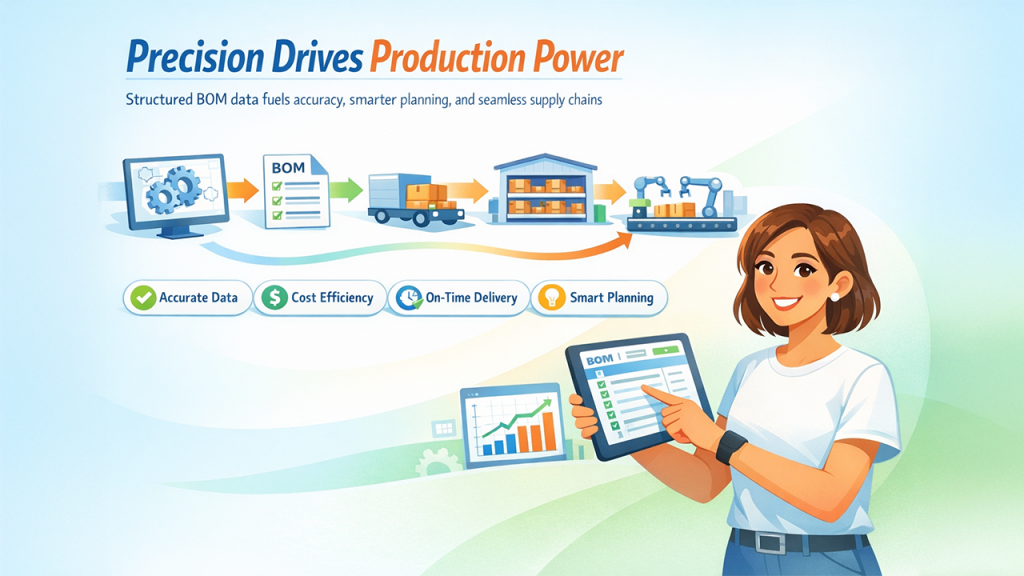
Manufacturers rely on clear product documentation to coordinate procurement, engineering, and production activities without confusion. Structured BOM systems help teams track materials, manage revisions, and reduce costly errors caused by outdated specifications.
On the MRPeasy blog, readers can explore the topic of “What is a bill of materials” and understand how organized product data improves planning accuracy. When organizations standardize documentation practices, they support smoother workflows and stronger operational consistency.
Material planning and inventory coordination
Organized material planning starts with accurate product information that connects engineering requirements to procurement activities. Manufacturing teams that document their BOMs accurately can forecast future demand more accurately, and therefore avoid shortages when it comes time to meet customer demand.
Coordinating the procurement of materials based upon an actual need at the time of production, rather than through last-minute purchases that result from unplanned production activity, results in a lower cost per unit.
Inventory coordination supports building better supplier relations. A procurement team that provides the vendor with the specific materials needed allows the vendor to meet delivery deadlines and quality expectations. Through continuous communication across the entire supply chain, there are fewer misunderstandings and greater trust.
By integrating inventory tracking into BOM systems, organizations increase their ability to understand all aspects of their operations. In addition to monitoring the location of parts relative to your production schedule (inventory), managers will be able to identify usage patterns. By identifying these usage patterns, managers will be able to adjust their purchasing strategies to better match demand.
Engineering change management
Structured communication and reliable documentation are key components of a successful engineering change process. The moment an engineering change occurs in product development, the Bill of Materials (BOM) must be updated promptly to prevent production errors. A centralized platform allows engineers to track revisions and updates to the documentation, ensuring that every department follows the most current version.
Another primary benefit of engineering change management is that it promotes communication between design and production teams. Providing operators with the rationale for the changes will make them more confident in executing the new procedures. Additionally, transparent documentation enables the production team to adapt rapidly to changes while maintaining quality standards.
In addition to supporting immediate collaboration and communication, digital change tracking also supports long-term organizational learning. Historically analyzing engineering change documentation will enable organizations to identify recurring patterns or issues in their designs, thereby providing opportunities to optimize design practices. Analyzing historical revision data will enable engineering teams to enhance product reliability and streamline manufacturing.
Data infrastructure and visibility across operations
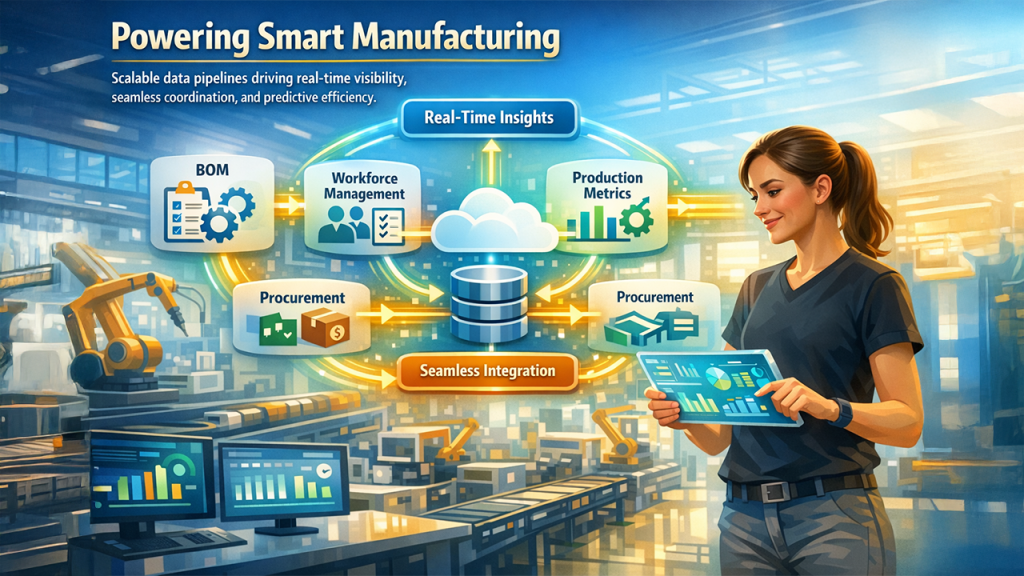
Manufacturing relies on interconnected systems that provide reliable, fast communication across all departments. Scalable data pipelines help organizations integrate their Bill of Materials (BOM) records, training insights, and production metrics without creating bottlenecks. The data infrastructure provides support for real-time decision-making and facilitates better coordination across multiple facilities.
Importance of a scalable data pipeline
Manufacturing environments generate large volumes of data from machine operations, procurement platforms, and workforce management systems. Without a scalable data pipeline, cross-departmental team members experience difficulty in synchronizing their information. By providing structured data flow, organizations can process updates more efficiently and ensure that production planning is based on the most current available materials and a ready workforce.
Scaling up infrastructure will enable the implementation of advanced manufacturing analytics and automation. As an organization's data grows, it can see how its operations are performing over time and better allocate resources. The use of predictive analytics will enable an organization to identify potential disruptions before they occur and develop a proactive strategy to mitigate them.
A scalable operational environment is crucial when an organization needs to operate as a single entity to support seamless integration across multiple systems. An organization looking to expand its reach into new markets or add product lines to existing ones requires a scalable infrastructure that can rapidly adjust. The scalable nature of an infrastructure allows organizations to add new tools and applications without a degradation of performance.
Better visibility into BOM
Manufacturing precision and productivity depend heavily on an organization's ability to clearly view its products' designs (e.g., Bill of Materials). According to industry research, 88% of manufacturers using digital solutions report a better understanding of their Bill of Materials.
Effective Item Database Management plays a key role in achieving this level of visibility across materials and components. Organizations with clear BOM visibility can track materials associated with products, identify potential shortages, and align the production process across departments.
Additionally, organizations with transparent BOMs experience more efficient collaboration between engineering and procurement. Real-time access to the same information for all stakeholders eliminates confusion and fosters a more collaborative environment in which issues can be addressed before disrupting business operations.
Companies that create value by providing visibility within their manufacturing processes tend to establish themselves as leaders in managing complex manufacturing environments. With a clear view of their material needs, organizations can maximize their inventory levels and minimize unnecessary spending. Additionally, by making data-driven decisions, organizations foster a culture of operational confidence and improve adherence to quality standards.
Building stronger manufacturing systems for the future
Manufacturers that combine structured BOM and LMS systems create more predictable, efficient operations. Clear data flows, trained workforces, and scalable infrastructure help teams maintain quality while adapting to new production demands.
Organizations that invest in visibility and coordination tools position themselves to reduce risk, improve planning accuracy, and sustain long-term operational growth in competitive manufacturing environments.
Respond to this article with emojis