

How a Marketing Consultant Uncovers Growth Gaps Your Team Is Too Close to See
Discover how a marketing consultant uncovers hidden growth gaps, improves strategy alignment, and drives measurable business results with data-driven insights.
Internal marketing teams are often high-performing, deeply committed, and intimately familiar with the products they promote. However, that very proximity can create a psychological “blind spot” where established processes and historical successes prevent the discovery of new opportunities. When a team is focused on the day-to-day execution of existing campaigns, they often lose the ability to objectively critique the overarching strategy.
For many businesses, the most effective way to break through a growth plateau is to introduce an external perspective that isn’t tethered to internal office politics or “the way we’ve always done it.
We explore the technical process of uncovering the growth gaps that remain invisible to those working within the business every day.
1. Bringing an External Perspective to Internal Efforts
When teams are working on things every day it can be hard to see what is not working. A marketing consultant can come in. Look at things with fresh eyes. They can see if there are any problems or areas where things could be improved. This helps the team make decisions.
It also helps the team see if what they are doing is really working towards their goals. Are they using their resources in the way possible? A marketing consultant can help them figure this out.
There are companies like Cemoh that have experienced marketing professionals who can work with the team and help them make a plan that is tailored to their needs. This way the business can get stronger without disrupting the way things are already being done.
2. Aligning Strategy with Measurable Outcomes
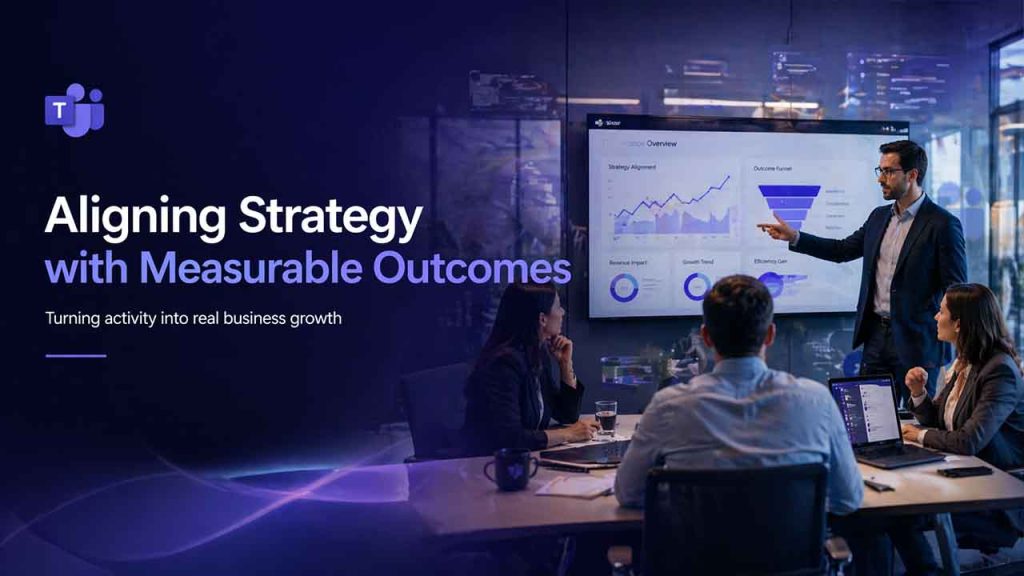
A common challenge within internal teams is the disconnect between strategic goals and day-to-day execution. While high-level objectives may focus on growth, daily activities often prioritise outputs such as traffic or engagement.
This creates a situation where effort is consistent, but results remain limited. Campaigns may generate visibility without contributing to conversions or revenue.
Aligning strategy with measurable outcomes ensures that every marketing activity supports a clear objective. This creates a more focused and results-driven approach to growth.
3. Identifying Channel and Journey Inefficiencies
Marketing performance is often spread across multiple channels, including search, paid media, social platforms, and email. While activity may be visible across these channels, not all of it contributes equally to business outcomes.
A detailed review can reveal underperforming campaigns, inconsistent messaging, or missed opportunities in high-impact areas. In addition, gaps within the customer journey can reduce conversion rates, making improving conversion rates a critical focus for any effective marketing strategy.
Understanding where users disengage helps prioritise improvements that directly affect performance. Strengthening these areas leads to a more efficient and effective marketing strategy.
4. Improving Data Accuracy and Decision-Making
Related walkthrough
How to Connect Claude MCP with Adobe After Effects & Premiere Pro | Higgsfield AI Full Setup Guide

To know what is working and what is not the team needs to have good data. Sometimes the data is not accurate, or it is not being used in the right way. A marketing consultant can help the team make sure they have the tools and are using them correctly.
This way the team can make decisions based on information, not just guesses. They can see what is working and what is not. Make changes to make things better.
5. Optimising Budget Allocation and Resource Use

Sometimes the team is spending money on things that are not really working. A marketing consultant can help them see where they can allocate their budget in a way. They can help them put their money into the things that are really working. To get a clear picture of where that energy goes, utilizing reliable time tracking software for consultants can ensure every hour spent optimizing these campaigns is perfectly accounted for.
This way the team can get bang for their buck. They can make sure that every dollar they spend is really contributing to their goals.
6. Establishing a Continuous Growth Framework
Identifying gaps is only part of the process. Sustainable growth requires continuous optimisation and refinement. Maintaining this momentum ensures that a strategy remains agile and responsive to evolving market trends and shifts in the competitive landscape.
This involves testing new strategies, analysing results, and scaling what works. A structured framework ensures that improvements are consistent rather than reactive.
Over time, this approach leads to better performance, stronger alignment with business goals, and more scalable marketing operations. By embedding these iterative cycles into the core strategy, an organisation can maintain its competitive edge even as market conditions and consumer behaviours shift.
Conclusion
We often have trouble finding the problems that are holding us back because they are hidden in the things we do every day. When we take a step back and really look at what we’re doing we can see where we are going wrong and figure out how to make it better. If we make sure everything is working together we have the information and we keep trying to improve we can make our marketing efforts more successful and help our business grow over time. This way of doing things helps us make decisions based on facts, not just what we think might work and it makes it easier to grow our business in a way that is steady and reliable. Growth gaps are really important to find and fix and growth gaps are what hold us back, from doing our best.
Article rating
Was this article useful?
0.0 out of 5 from 0 ratings