




Pay-Per-Click (PPC) spend is one of the easiest budget lines to approve and one of the hardest to truly verify. The invoice looks clean. The dashboards look busy. Then someone
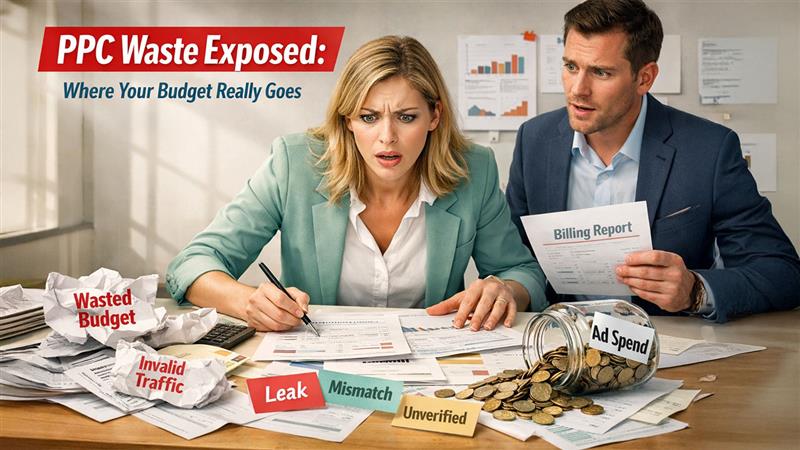
Pay-Per-Click (PPC) spend is one of the easiest budget lines to approve and one of the hardest to truly verify.
The invoice looks clean. The dashboards look busy. Then someone asks a finance question: “Are we paying for real demand, or just activity?”
Remote teams make this trickier. When marketing, sales, and finance are spread across time zones, handoffs become more fragile. A UTM breaks. A landing page changes. A conversion definition drifts. Nobody means to hide anything, but a lot of waste can still slip through.
1. The Quiet Ways PPC Spend Turns Into Waste
Most PPC waste isn’t dramatic fraud. It’s the small leaks that add up. Take a hypothetical example: your search campaign runs in three countries, but one market uses broad match terms and loose geo settings.
Clicks rise, leads look fine at first, then sales says, “these aren’t buyers.” Marketing sees traffic, finance sees rising cost per lead, and nobody can pinpoint the root cause because reporting was never set up to answer the question: “Which clicks became revenue?” PPC waste and billing accuracy issues rarely announce themselves; they surface slowly through misaligned metrics and unreconciled reports.
Additionally, invalid traffic is real. Platforms do filter it, but not perfectly. Google notes you won’t be charged for invalid clicks or impressions it identifies as invalid traffic.
Microsoft Advertising also states that billing can be adjusted if clicks are later determined to be low-quality or invalid.
So finance shouldn’t treat PPC as “marketing’s black box.” It’s an input cost with quality variance, just like any other procurement line.
One more tell is volatility: days where spend stays flat but clicks spike, or lead volume jumps with no downstream pipeline movement. Those anomalies are where finance can ask the best questions.
2. Billing Accuracy Is Not Just an Invoice Match
If you only reconcile PPC by matching platform invoices to the general ledger, you miss the point. Billing accuracy in performance spend goes beyond invoice matching — true PPC waste and billing accuracy management means verifying that every charge aligns with the internal rules you agreed to.
Start with three checks:
First, ensure the billing account structure matches your reporting. One ad account can hide multiple business units, regions, or product lines. When everything rolls up, overspend gets normalized.
Second, confirm that credits and adjustments are being captured. If invalid traffic credits exist, they should flow into your true spend numbers, not get lost as “misc adjustments” at month's end.
Third, connect spend to operational proof. A finance team that already uses Invoice scanning software for approvals and receipts can apply the same mindset to PPC: require documentation for material changes, maintain a clean audit trail, and make exceptions visible.
None of this is about policing marketing. It’s about making a variable cost measurable.
3. The Three Reconciliation Traps Remote Teams Fall Into
Remote teams often fall into the same traps because work is distributed. Trap one is metric drift. Marketing reports “leads,” sales reports “qualified leads,” finance reports “CAC,” and all three are technically correct, just not aligned.
The fix is simple: define one conversion tier for budget decisions, then keep secondary metrics in the notes, not the headline.
Trap two is tool sprawl. When tracking lives in one tool, landing pages in another, and CRM in a third, reconciliation becomes a weekly debate. You can still run a modern stack, but someone must own the data contract between systems.
Trap three is time lag. Remote teams often review spending after the month closes. That is too late. Waste loves long feedback loops. A weekly finance check, even a 20-minute one, catches leaks before they compound.
4. Automation That Actually Helps, Not Just More Tools

Automation can reduce waste, or it can automate the wrong thing faster. The good version is when automation creates consistent controls: alerts when spend spikes, flags when conversion tracking drops, and prompts when a campaign is optimizing for a weak signal.
This is where an expense automation platform can deliver value to finance operations, even beyond classic receipts and reimbursements.
The same automation logic can power PPC controls: route high-spend changes for review, log approvals, and standardize evidence requirements across a remote team.
The trade-off is friction. Add too many approvals, and you slow experimentation. The sweet spot is thresholds. Let marketing move fast under a limit, then require stronger documentation once spending crosses the agreed levels.
And one more practical note: don’t expect click counts to match across every system. Click monitoring tools can record activity that platforms later exclude or report differently. Getting this discrepancy right is core to solving PPC waste and billing accuracy at the data layer.
Some software help documentation notes that if a monitoring tool reports more clicks than Google Ads, it can be because the tool records all activity while Google chooses not to report some of it. That gap is not always fraud, but it is always worth explaining.
5. A Simple Control Checklist Finance Can Run Monthly
You don't need to become a media buyer to improve outcomes. Teams already using billing automation services for routine approvals can apply the same documentation discipline to PPC; you just need a repeatable checklist.
1. Verify tracking health: one test conversion, one test form, and one CRM sync check.
2. Review spend by segment: brand vs non-brand, prospecting vs retargeting, and top five campaigns by cost.
3. Check for sudden shifts: CPC spikes, conversion rate drops, and geo or device outliers.
4. Confirm adjustments: invalid traffic credits, refunds, or billing corrections captured in true spend.
5. Sample lead quality: pick 20 leads, trace them to pipeline stages, and note mismatches.
6. Require change notes: any major targeting, bidding, or landing page shift gets a one-paragraph rationale.
The point is not perfection. It’s visibility.
Closing Thought: Make Marketing Spend Auditable Again
Finance teams don’t need to “own PPC.” But they should own the standard for what counts as accountable spend. A clear framework for PPC waste and billing accuracy is what separates teams that forecast confidently from those that explain surprises after the month closes.
When controls are clear, remote teams move faster with less drama. Marketing knows what evidence to bring. Sales trusts the pipeline data. Finance can forecast with fewer surprises.
Do that, and PPC stops being a monthly mystery and becomes a measurable growth investment.
Respond to this article with emojis