

Software Release Management Process: Stages, Planning, and Best Practices
Understand the software release management lifecycle, from planning and testing to approvals, deployment, rollback & monitoring for reliable software delivery.
A software update can take weeks to develop but only minutes to disrupt a production environment if the release is poorly coordinated. A new feature might pass testing yet create problems because of an incompatible database change, an overlooked dependency, or an incorrect deployment configuration.
This is why software release management needs to be treated as an engineering and coordination activity rather than simply the final step of development. It establishes how changes move from development to production, who approves them, when they are deployed, and what happens if something goes wrong.
A well-defined process helps development, QA, security, and operations teams work toward the same release objectives without sacrificing software quality or business continuity.
What Does Software Release Management Actually Involve?
Software release management is the structured process of preparing, validating, approving, scheduling, deploying, and monitoring software updates. It connects development activities with operational requirements so that every release has a clear purpose and a controlled path to production.
Software release management is the structured software development life cycle process of preparing, validating, approving, scheduling, deploying, and monitoring software updates. It connects development activities with operational requirements so that every release has a clear purpose and a controlled path to production.
It covers more than pushing code to a server.
Teams must also consider:
- Feature scope and development dependencies.
- Testing and security requirements.
- Deployment environments and infrastructure readiness.
- Approval responsibilities and stakeholder communication.
- Version control, release documentation, and rollback options.
For example, imagine a company preparing a new customer portal with payment functionality. The development team may finish coding before the finance, security, and QA teams have completed their checks. A structured release process prevents the deployment from proceeding until those essential requirements are satisfied.
The Release Management Lifecycle: From Request to Production

Rather than treating every deployment as an isolated event, businesses should establish a repeatable release management lifecycle. The following stages provide a practical framework.
1. Define the Release Scope
Start by identifying exactly what the upcoming release should contain. Collect feature requests, bug fixes, security updates, and technical improvements. Then assess their business value, complexity, dependencies, and potential impact.
Separate essential changes from improvements that can wait. This prevents last-minute additions from expanding the release beyond what the team can safely deliver.
A release scope document should include objectives, affected systems, expected outcomes, responsible owners, and known risks.
2. Build a Realistic Release Plan
Once the scope is agreed upon, establish deadlines, resource requirements, testing windows, and deployment responsibilities.
Effective software deployment planning considers dependencies between components. For instance, an API update may need to reach production before a mobile application starts using its new endpoints.
Teams should also decide whether to release everything together or introduce changes gradually. Smaller releases are generally easier to investigate when something fails.
3. Develop and Prepare the Release Package
Developers implement approved changes using version control and the team’s established development practices.
Every release should have an identifiable build or artifact. Teams should preserve the relationship between the source code, build version, dependencies, configuration, and release documentation.
This makes it easier to determine exactly what is being deployed and reproduce the same package across development, staging, and production environments.
4. Test Before Approving Deployment
Testing should cover more than whether a new feature works under normal conditions.
Depending on the application, validation may include:
- Functional testing to confirm expected behavior.
- Integration testing to identify compatibility problems.
- Regression testing to check existing functionality.
- Performance testing to evaluate response times and capacity.
- Security testing to identify vulnerabilities.
- User acceptance testing to confirm business requirements.
The QA team should record test outcomes and unresolved defects. Critical issues should prevent deployment unless an authorized exception process explicitly permits them.
5. Complete the Release Approval Process
Before production deployment, the responsible stakeholders should review the release evidence.
A practical release approval process typically considers:
- Whether the approved scope is complete.
- Whether required tests have passed.
- Whether security and compliance checks are satisfactory.
- Whether infrastructure and dependencies are ready.
- Whether backups and recovery procedures are available.
- Whether relevant teams and users have been informed.
Approval responsibilities should be assigned in advance. A developer should not automatically be the only person deciding whether their own changes are production-ready.
6. Deploy and Verify the Release
Deployment should follow a documented runbook that identifies the correct environment, release artifact, execution sequence, and responsible team members.
Depending on application architecture, organizations can use rolling deployments, blue-green deployments, or canary releases.
For example, a canary deployment might expose a new application version to a small percentage of users before expanding access. If monitoring reveals unusual error rates, the team can pause the rollout and investigate.
After deployment, run smoke tests, verify important business workflows, and check application logs and infrastructure metrics.
7. Monitor and Close the Release
The process does not end when the deployment command succeeds.
Monitor error rates, response times, resource consumption, failed transactions, and user-reported issues. Compare these signals with API performance testing benchmarks pre-release baselines where available.
Document the outcome, record any incidents, and identify improvements for the next release. This feedback makes future releases more predictable.
How a Release Calendar Improves Coordination
When multiple teams deploy changes independently, scheduling conflicts become difficult to manage. A shared release calendar gives stakeholders visibility into upcoming deployments, testing windows, maintenance periods, and important dependencies.
A useful calendar should contain:
| Information | Purpose |
| Release name and version | Identifies the planned update |
| Planned deployment date | Establishes the target window |
| Development and QA deadlines | Tracks readiness |
| Approval deadline | Prevents delayed sign-offs |
| Deployment owner | Clarifies accountability |
| Dependencies | Highlights coordination requirements |
| Rollback window | Defines recovery expectations |
The calendar should remain flexible. An emergency security patch may need to take priority over a previously scheduled feature release.
Benefits of a Structured Release Process
A consistent software release management approach provides several operational advantages.
Greater Deployment Predictability
Teams know what needs to happen before a release can proceed, reducing confusion around responsibilities and deadlines.
Better Software Quality
Defined testing requirements make it less likely that critical defects will reach production unnoticed.
Improved Accountability
Approval records, deployment logs, and release documentation establish who authorized and implemented changes.
Reduced Operational Disruption
Staged rollouts and tested recovery procedures help teams respond when unexpected problems occur.
Stronger Collaboration
Development, QA, security, and operations teams share a common view of release readiness.
These benefits depend on consistent execution. A documented process alone cannot prevent defects if teams routinely bypass its checks.
Common Release Management Challenges and Practical Solutions
Related walkthrough
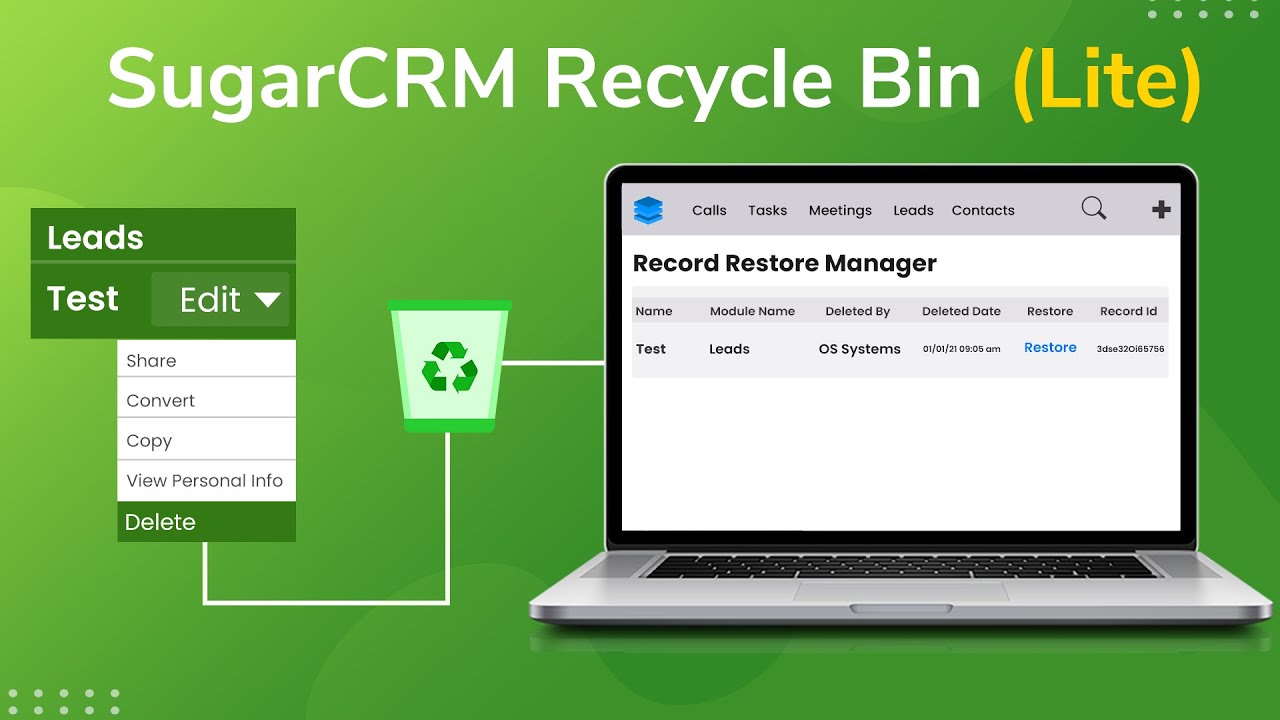
Recycle Bin Manager(Lite) Best for Single Restoration Process
Even experienced teams encounter difficulties when coordinating software updates.
| Challenge | Practical response |
| Unplanned scope changes | Introduce a release freeze or formal change review |
| Incomplete testing | Define mandatory test evidence before approval |
| Deployment conflicts | Maintain a shared release calendar |
| Unclear ownership | Assign a release manager and technical owners |
| Configuration differences | Standardize environment configurations |
| Failed production deployment | Prepare tested rollback or recovery procedures |
One frequently overlooked problem is communication. A technically successful deployment can still disrupt business operations if support teams do not know about changed workflows or users are unaware of planned downtime Communicating changes with stakeholders.
Best Practices for More Reliable Software Releases
The following practices can make software release management easier to maintain as applications and teams grow.
Keep Releases Manageable
Avoid combining unrelated changes into one large deployment.
Automate Repeatable Checks
Use CI/CD pipelines for builds, automated tests, and deployment validation where appropriate.
Protect Production Environments
Apply access controls and require appropriate authorization for deployment activities.
Maintain Release Records
Document versions, changes, approvals, test evidence, and deployment outcomes.
Prepare Recovery Options
Test rollback procedures rather than assuming they will work during an incident.
Use Measurable Indicators
Track deployment frequency, change failure rate, recovery time, and deployment lead time.
Review Every Release
Use incidents and feedback to improve the next release cycle.
The UK Government’s guidance on deploying software regularly also emphasizes smaller, repeatable deployments, automated testing, and auditable changes.
For security-conscious teams, the NIST DevSecOps reference model explains how release activities connect artifact preparation, security validation, stakeholder communication, and operational readiness.
How to Choose the Right Release Management Tools
The right tools depend on the size of the development team, application architecture, deployment frequency, and governance requirements.
Before selecting a platform, assess whether it supports:
- Release scheduling and task ownership.
- Approval workflows and audit records.
- Version and artifact tracking.
- CI/CD pipeline integration.
- Test evidence and deployment visibility.
- Monitoring and recovery coordination.
An integrated workflow can reduce the need to maintain separate spreadsheets, email approvals, and disconnected deployment records. However, tools should support an established process rather than replace release ownership and technical decision-making.
Conclusion
Reliable releases are the result of preparation, coordination, testing, and continuous improvement. Teams need to know what is changing, who is responsible, which checks must be completed, and how production will be recovered if deployment creates unexpected problems.
A practical software release management framework brings these activities together through clear ownership, documented approvals, realistic scheduling, and measurable deployment outcomes.
For organizations developing or modernizing business applications, OutRight Systems can be a relevant technology partner to discuss software development and workflow requirements. Explore its software development resources or business process automation solutions to understand related development and operational workflows.
Frequently Asked Questions
Its main purpose is to coordinate the preparation, testing, approval, deployment, and monitoring of software updates while maintaining quality and minimizing operational risk.
The main stages include scope definition, planning, development, testing, approval, deployment, and post-release monitoring. Organizations may adapt these stages to their delivery model.
Release management covers the complete process of preparing and controlling a software release. Deployment is the technical activity of installing or delivering the software into its target environment.
A release calendar helps teams coordinate deployment dates, testing deadlines, approvals, maintenance windows, and dependencies. It reduces scheduling conflicts and improves communication.
Approval usually depends on organizational policy. It may involve engineering leads, QA managers, security representatives, product owners, or change authorities, depending on the release risk and business impact.