
Still Using Traditional Cutting Methods? How Waterjet Technology Changes the Game
Discover how waterjet technology outperforms traditional cutting methods with better precision, no heat damage, and reduced material waste.
There’s a certain familiarity in traditional cutting methods. Saw blades, drills, torches, lasers. For years, they’ve shaped how materials are handled across industries. And for a long time, they worked just fine.
But expectations have changed. Materials are tougher, designs are more intricate, margins for error are smaller. What used to be “good enough” now feels limiting, especially when precision and flexibility matter more than ever.
That’s where waterjet technology starts to change the game. In this article, we’ll look at how it reduces heat-related damage, improves cutting precision, handles a wide range of materials, and helps streamline production compared to traditional methods.
1. Heat Is No Longer Part of the Equation
One of the biggest differences shows up in something most people don’t notice right away, heat.
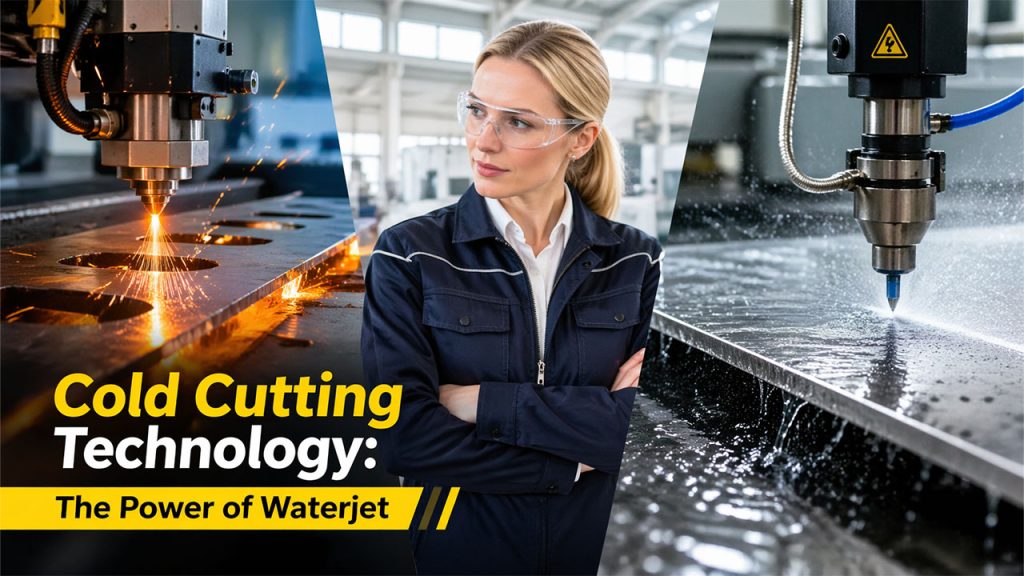
Traditional cutting methods generate it. A lot of it. Whether it’s laser or plasma, heat can alter the structure of the material, especially metals. Edges harden, surfaces warp slightly, and sometimes you don’t even see the damage until later in the process.
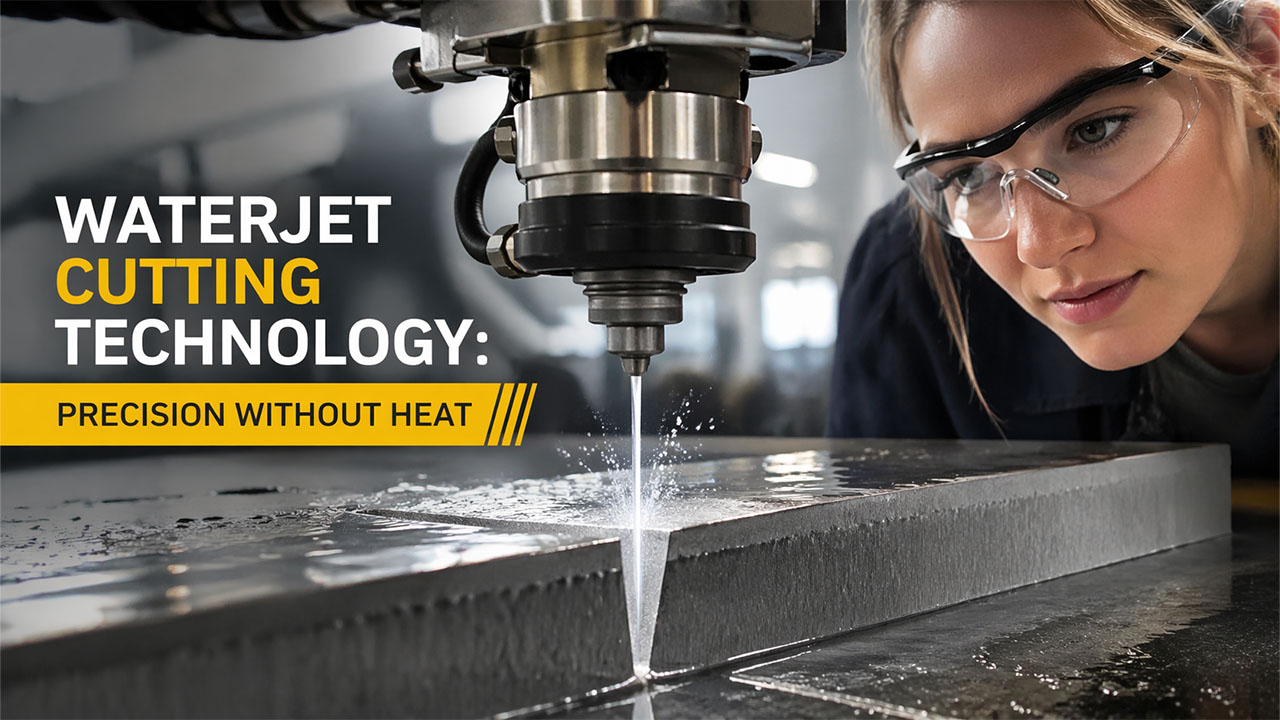
Waterjet cutting works differently. It uses high-pressure water, often mixed with abrasives, to cut through materials without introducing heat.
That changes things. You’re no longer dealing with heat-affected zones or subtle distortions. The material stays as it is, just shaped differently. For industries where material integrity matters, that alone can shift the entire workflow.
2. Precision Feels Less Like a Compromise
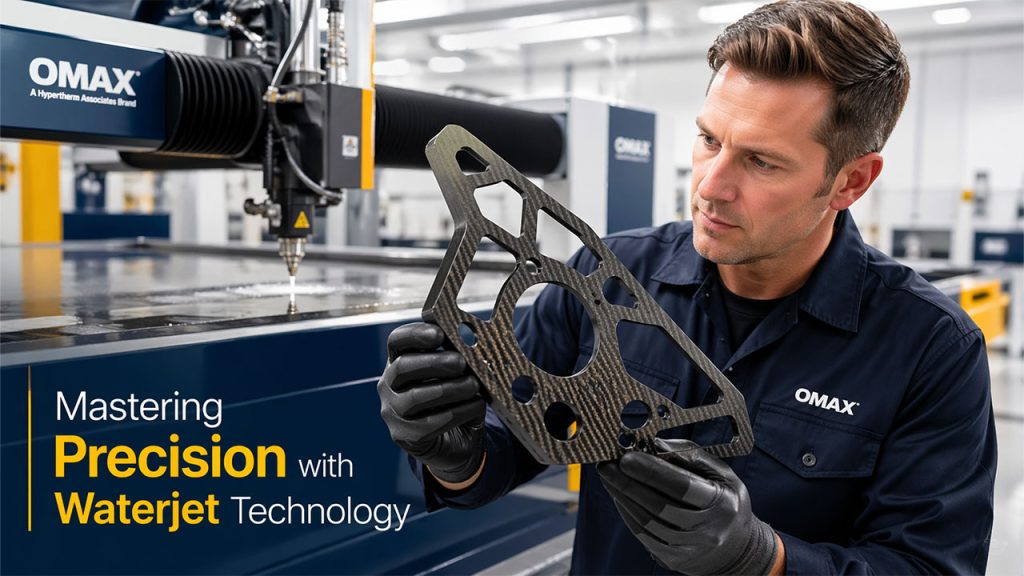
There’s always been a trade-off in cutting. Speed versus accuracy, clean edges versus material limitations. Waterjet technology softens that balance in a way that feels more practical. With tools like a waterjet machine, it becomes easier to achieve precise cuts without constantly adjusting between quality and efficiency.
It allows for detailed work, even on complex shapes, without needing multiple passes or extra finishing. In many cases, the result is already close to final form. OMAX Corp, a Hypertherm Company approaches this through its JetMachining Centers, which are built to deliver high precision parts efficiently using advanced computer control, making it possible to work across materials like stainless steel, carbon fiber, and even glass without losing consistency.
Waterjet cutting systems operate by pressurizing water to levels typically between 60,000 and 90,000 PSI using an intensifier pump, then forcing it through a small jewel orifice, usually around 0.010 to 0.015 inches in diameter. When abrasive material such as garnet is introduced through a mixing chamber, the resulting stream can cut through materials several inches thick with tolerances as tight as ±0.005 inches. The cutting head moves along CNC-controlled axes, and increasingly, these systems are monitored and adjusted in real time through sensor-based automation — part of the broader shift in how IoT and AI are reshaping industrial machinery and the way modern production floors operate.
If you’ve worked with traditional tools, you know how much time goes into refining edges. Grinding, smoothing, fixing small inconsistencies. When the initial cut is cleaner, those extra steps naturally become less of a focus, and the overall process feels more streamlined.
3. Material Limitations Start to Disappear
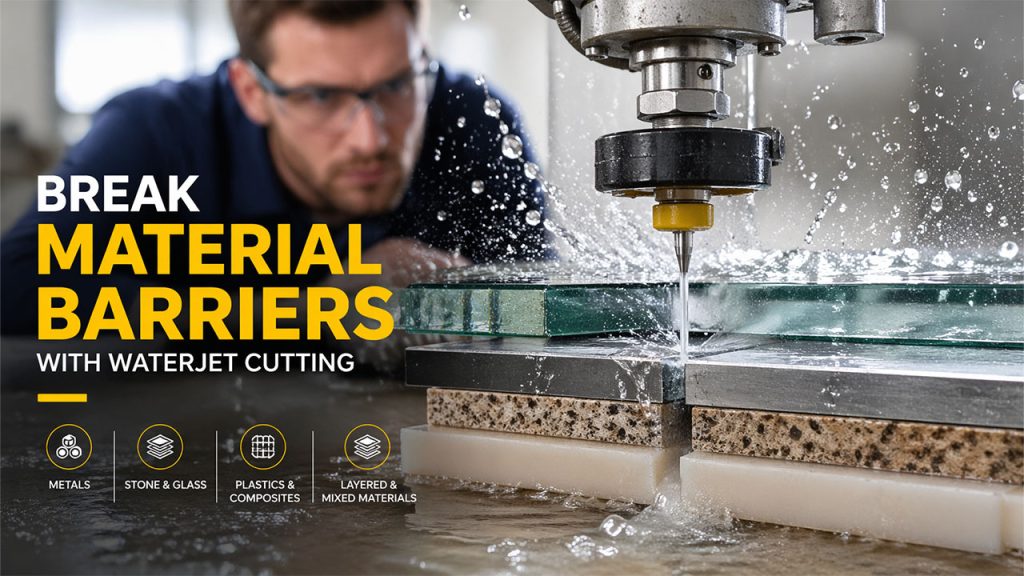
Traditional cutting methods often come with boundaries. Some tools work better for metal. Others are suited for wood or plastic. Switching between materials can mean switching machines, setups, and sometimes entire processes. Waterjet cutting doesn’t follow those same restrictions.
It can handle:
- Metals like steel, aluminum, and titanium
- Stone and glass
- Plastics and composites
- Even layered or mixed materials
That flexibility changes how projects are approached. Instead of planning around machine limitations, you can focus more on design and outcome.
For workshops and manufacturers, this often translates into fewer bottlenecks. One system, multiple uses. It’s not about replacing everything, but about reducing how often you need to switch gears.
4. Waste Becomes More Noticeable, Then Less Acceptable
Related walkthrough
SuiteCRM Training Chapter 10 | Complete Admin Panel Tutorial (Final Chapter)

Material waste has always been part of cutting processes. You account for it, build it into costs, and move on.
But once you start working with more precise systems, waste stands out more. Waterjet cutting produces a narrower kerf, which means less material is removed during the cut. Over time, that difference adds up, especially in high-volume production.
There’s also less need for rework. Fewer mistakes. Fewer discarded pieces. It doesn’t eliminate waste entirely, but it reduces it in a way that becomes hard to ignore once you’ve seen the alternative. And when material costs are high, that reduction isn’t just technical, it’s financial.
5. Setup Feels Different, Not Necessarily Simpler
Switching to waterjet technology isn’t just about the cutting process. The setup feels different, too. Traditional tools often rely on manual adjustments, physical alignment, and operator experience. Waterjet systems lean more into digital control and programming.
That shift can feel unfamiliar at first. But once the learning curve settles, the consistency becomes noticeable. You’re not adjusting for every cut. You’re setting parameters and letting the system follow through.
It changes the role of the operator slightly. Less hands-on correction, more upfront planning. And for many teams, that’s a worthwhile trade.
6. Noise, Dust, and the Overall Work Environment
Walk into a space using traditional cutting tools, and you can usually tell right away. The noise, the sparks, the smell of heated material.
Waterjet environments feel different. There’s still sound, of course, but it’s less aggressive. No sparks flying. Minimal airborne dust compared to grinding or sawing. The process feels more controlled.
This doesn’t just affect comfort. It also ties into safety and maintenance. Cleaner air, fewer particles settling on nearby equipment, and less frequent cleanup. It’s one of those changes you don’t fully appreciate until you experience it consistently.
7. It Doesn’t Replace Everything, But It Redefines Enough
It’s easy to assume that new technology replaces old methods entirely. That’s rarely how it works in practice. Traditional cutting tools still have their place. They’re familiar, accessible, and in some cases, faster for very specific tasks.
Waterjet technology doesn’t try to take over everything. Instead, it fills the gaps where older methods start to struggle. Complex cuts. Sensitive materials. Situations where precision matters more than speed.
Once you start using it in those scenarios, it becomes less of an alternative and more of a standard for certain types of work. That shift doesn’t happen overnight. But it builds gradually.
Conclusion
If you’ve been relying on traditional cutting methods for years, there’s a comfort in sticking with what you know. They’ve worked, and in many cases, they still do.
But the demands around cutting have changed. Materials are less forgiving. Designs are more detailed. Expectations are higher. Waterjet technology steps into that space quietly, without forcing a complete overhaul. It offers a different way to approach cutting, one that reduces heat, improves precision, and opens up more flexibility across materials.
It’s not about abandoning traditional methods. It’s about recognizing where they start to fall short, and where something more adaptable can make the process smoother. Once you see that difference in action, it’s hard to unsee.
Article rating
Was this article useful?
0.0 out of 5 from 0 ratings