



Transport organizations have a major safety responsibility over passengers, employees, and goods. Ensuring proper training is vital. The learning management system (LMS Platform) has become the go-to online pool for
Transport organizations have a major safety responsibility over passengers, employees, and goods. Ensuring proper training is vital. The learning management system (LMS Platform) has become the go-to online pool for safety instruction for many these days. These web-based tools offer a methodological approach to disseminating the critical message. People are increasingly adopting these LMS Platform solutions, which raise safety standards and enhance compliance.
Accessible Training for All Staff
Every employee, regardless of where they work, must have access to the same information. The LMS transport solution allows people from different regions to receive the same training. The standardization reduces the gaps in knowledge about safety. Owing to equal access, the workplace is a more protected space. Timings become flexible, and the person can take the course at their own suitable time.
Consistent Content Delivery
Consistency in the type of training can make all the difference in results. Companies also eliminate variations common with manual instruction by using online platforms. The specific safety outlines, procedures, and updates are all the same across each module as well. This ensures that every participant consistently receives the steps necessary to prevent any accidents. Updating them frequently makes sure the guidelines are up-to-date and meaningful.
Tracking Progress and Compliance
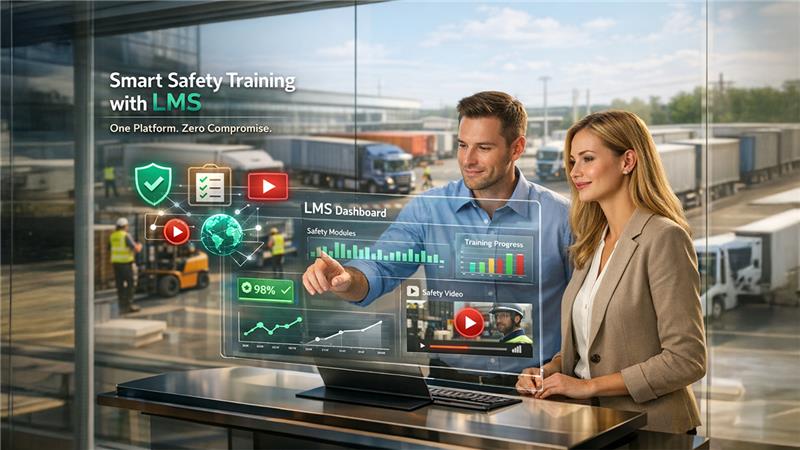
Organizations need to monitor who has completed safety training. The LMS platform comes with progress reports for every learner with final scores. It also enables managers to see if there are any gaps and send reminders to employees who have not completed the mandatory courses. It also helps firms in remaining compliant with the regulation through such monitoring. Effective record-keeping bolsters internal audits and oversight by external parties.
Cost-Effective Learning Solutions

Instructor-led training typically requires transportation, hard copy materials, and full-time trainers. These costs are lessened drastically with online platforms. Employees save the time needed to commute by learning from where they are now. Each training session requires fewer resources. Not only does this mean the organization may be able to save money in the short term, but it also makes annual safety training more affordable, regardless of business size.
Engaging and Interactive Content
The blend of course content, instruction, and interactive modules increases engagement and knowledge retention. Quizzes, videos, and simulations are commonly incorporated into these LMS platforms. All of these components provide participants with a continuous sense of gratification that keeps them engaged in the learning process. Feedback assists employees in correcting mistakes and motivating the right actions. Companies also promote interaction by making content more interactive, thus stimulating active participation.
Adapting to Industry Changes
Regulations and best practices change often. With the help of online learning platforms, organizations can keep their courses updated effectively. Staff can instantly get updated instructions. This prompt response ensures the meeting of evolving safety requirements. Real-time content updates help keep everyone on the same page and ready to go.
Supporting a Culture of Safety
Creating safety habits needs more than one training session. With periodic refresher courses, online platforms promote continuous learning. Companies can send reminders and notifications to employees to review critical material. This method places the importance of safety high on a year-round level. Instilling education creates a culture of individuals who value safe practices.
Customizing Training for Specific Needs
The nature of risks and regulations differs for each organization. Training modules on LMS platforms can be customized and tailored to meet specific needs. Firms may include real-time examples that will pertain to their business. Employees get relevant training aligned with their daily tasks. It allows learning to be more personalized and impactful.
Measuring Impact and Improvement
When organizations adopt online training, employee performance improves. On LMS, the data about completion rates, testing results, and participation are available. Such insights enable the managers to measure the impact of courses. It becomes effortless to identify trends and performance gaps. Such knowledge helps companies to better hone in on their ideal training strategies.
Conclusion
The transport companies have a lot of responsibility with respect to safety. LMSs provide an efficient, accessible, and consistent way to train employees. By providing compliance systems that make organizations safer, cost-effective, and more supportive of a holistic wellness culture, these systems help companies do all these things. Transport companies committed to safety can exemplify that through LMS platforms for safety instruction, protecting employees, passengers, and goods alike. That means fewer incidents, lower costs, and a better reputation as a reliable provider.
Related Post:
Customizing Your LMS: Branding, Layouts, and Learner Journeys
Respond to this article with emojis