
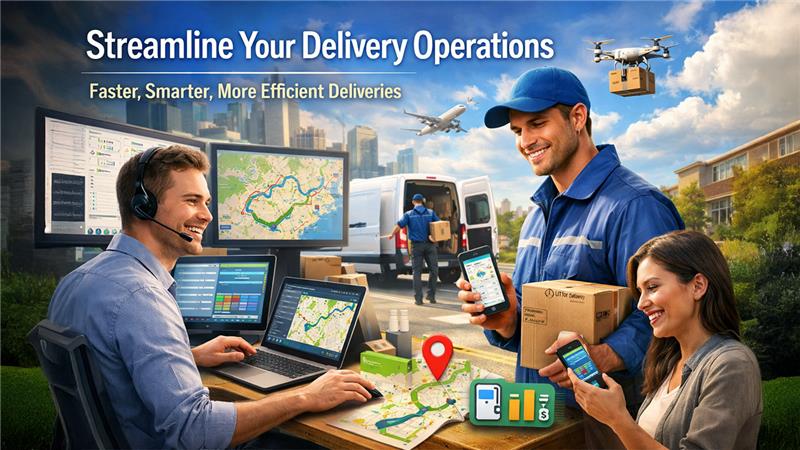
How Courier Software Improves Business Operations
Courier software features, benefits, and challenges explained with practical tips to compare options, evaluate solutions and make informed decisions for business
Courier operations involve multiple moving parts: order intake, dispatching, routing, delivery execution, and confirmation. Managing these manually introduces delays, inconsistencies, and higher operational costs.
Courier software addresses these issues by centralizing workflows and automating key processes. Instead of relying on fragmented systems, businesses operate through a unified platform that improves coordination and accuracy.
The result is not just faster delivery, but a more controlled and scalable operation.
Centralized Operations and Workflow Control
One of the advantages of courier software is that it brings everything together. All the important information about orders, routes what the drivers are doing and when deliveries are made is all in one place.
Without this teams have to use a lot of tools and update things by hand. This can cause mistakes in the information. Slow down the decision making process.
The best courier software gives everyone an organized way of working. Dispatchers, drivers and managers all use the information.
This means that people do not have to do the tasks over and over. It also means that everyone who needs to know something can see the information about courier software.
Using a system like courier software also helps people take responsibility for their work. Every task is tracked from when it is given to someone, to when it is finished. This makes it easier to find problems and make sure that everyone is doing things correctly with the help of courier software.
Automation of Dispatch and Scheduling
Dispatching is really important for courier operations because it has to be done. When people do scheduling by hand it can cause problems like drivers being sent on routes that overlap or drivers not being used enough.
Courier software can do this work automatically. It gives orders to drivers based on rules that were set up beforehand like how close the driver’s if the driver is available and how important the delivery is.
Here are some good things about automated scheduling:
- Automated job assignment means that people do not have to make as decisions by hand
- Dynamic scheduling changes the workload based on what is happening in real time
- Priority handling makes sure that urgent deliveries are done first
Automation helps things run more smoothly. It gets rid of mistakes that people can make and makes sure that resources are used in a way. Automation of Dispatch and Scheduling is very important, for courier operations.
Route Optimization and Cost Reduction
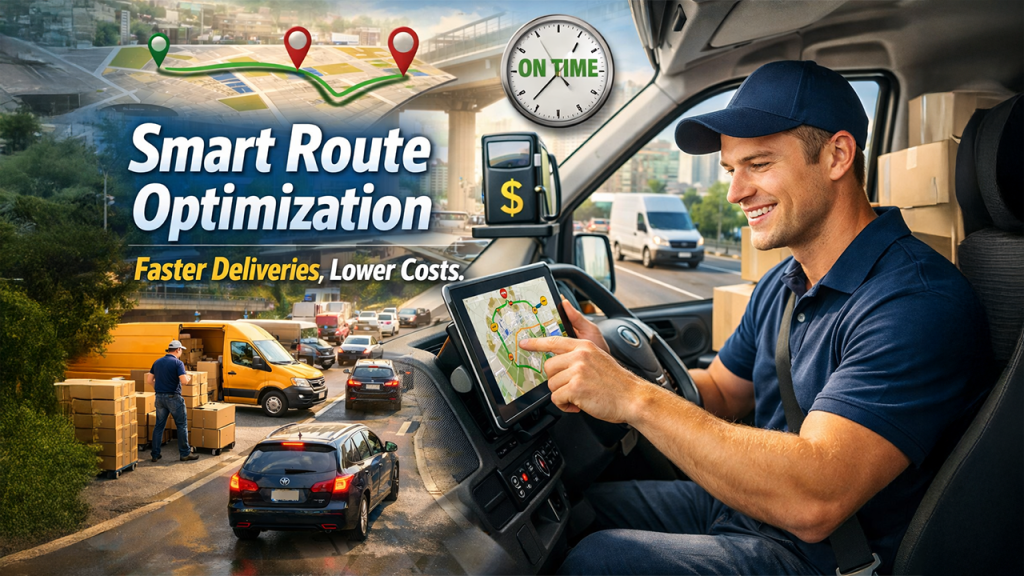
Routing directly impacts fuel consumption, delivery time, and overall cost. Inefficient routes increase mileage and reduce delivery capacity.
Courier software uses algorithms to generate optimized routes. These systems consider distance, traffic conditions, and delivery windows.
Optimized routing reduces unnecessary travel and improves delivery density. More deliveries can be completed within the same timeframe.
Fuel savings are a direct result. Shorter and more efficient routes lower operational expenses while reducing vehicle wear.
Route optimization also improves reliability. Deliveries are completed within expected timeframes, which enhances customer satisfaction.
Real-Time Tracking and Visibility
Visibility is essential for managing courier operations. Without real-time tracking, delays and inefficiencies go unnoticed until they impact customers.
Courier software provides continuous updates on driver location and delivery status. Managers can monitor progress and intervene when necessary.
Drivers receive updates in real time, allowing them to adjust routes or schedules based on changing conditions.
Customers also benefit from tracking capabilities. They receive accurate delivery windows and status updates, reducing uncertainty.
Real-time visibility improves coordination across the entire operation.
Read Also: What Is SOA OS23 and Why Is It So Important in Software Architecture?
Data-Driven Decision Making
Related walkthrough
SuiteCRM AI-Powered Mailchimp Integration (Lite) | Real-Time Two-Way Sync & Campaign Tracking

Courier software generates operational data that can be used to improve performance. Metrics such as delivery time, route efficiency, and driver productivity provide insight into operations.
- Delivery performance metrics: Identify delays and inefficiencies
- Resource utilization data: Measure how effectively drivers are used
- Cost analysis: Track fuel and operational expenses
Data replaces assumptions. Managers can make decisions based on measurable outcomes rather than guesswork.
Over time, this leads to continuous improvement. Processes are refined based on real performance data.
Predictive analytics can also be applied. Historical data helps forecast demand and optimize resource allocation.
Improved Customer Experience
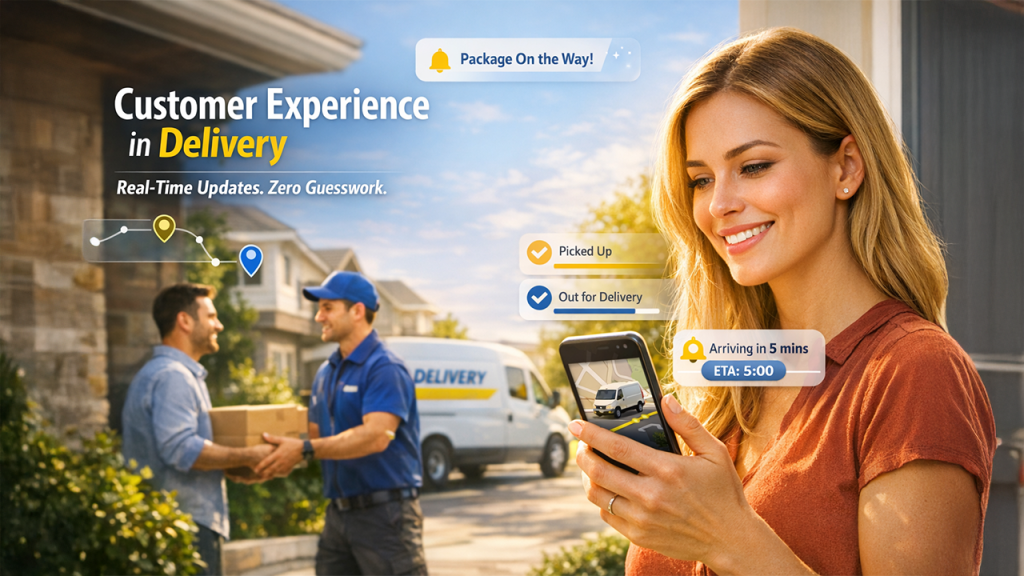
Customer expectations for delivery have increased. Speed, accuracy, and transparency are now standard requirements.
Courier software improves the customer experience by providing reliable delivery timelines and real-time updates. Automated notifications keep customers informed throughout the delivery process.
Accurate scheduling reduces missed deliveries. This lowers the need for repeat attempts and improves overall satisfaction.
Consistency is key. When deliveries are predictable, customers are more likely to trust the service.
Integration with Business Systems
Courier operations are connected to other business functions such as order management, inventory, and billing. Without integration, data must be transferred manually between systems.
Courier software integrates with these systems through APIs. This ensures that data flows automatically from order placement to delivery completion.
Integration reduces errors and speeds up processing. Orders can be dispatched immediately without manual input.
It also improves visibility across the business. Managers can track operations from a single interface rather than multiple systems.
Scalability and Operational Growth
As businesses grow, delivery operations become more complex. Manual processes do not scale effectively.
Courier software provides the infrastructure needed to handle increased volume. Automation and centralized control allow operations to expand without proportional increases in workload.
Scalability also improves flexibility. Businesses can adapt to changing demand without restructuring their entire operation.
This is particularly important in industries with seasonal fluctuations or rapid growth.
Compliance and Operational Consistency
Courier software helps maintain compliance with operational and regulatory requirements. This includes tracking driver hours, maintaining delivery records, and ensuring adherence to service standards.
Digital records provide an audit trail. This is useful for both internal reviews and external compliance checks.
Standardized workflows ensure that processes are followed consistently. This reduces variability and improves overall quality.
Conclusion
Courier software transforms delivery operations from manual processes into structured, data-driven systems. It centralizes workflows, automates key tasks, and provides real-time visibility.
The impact is measurable. Businesses see improvements in efficiency, cost control, and customer satisfaction.
In technical terms, courier software reduces operational complexity by integrating multiple functions into a single platform. This creates a scalable system that can adapt to increasing demand.
For businesses managing deliveries, adopting courier software is not just an upgrade. It is a necessary step toward maintaining efficiency and competitiveness in a demanding logistics environment.
Related Post: Automating Everyday Business Operations: Smart First Steps for Lasting Impact