
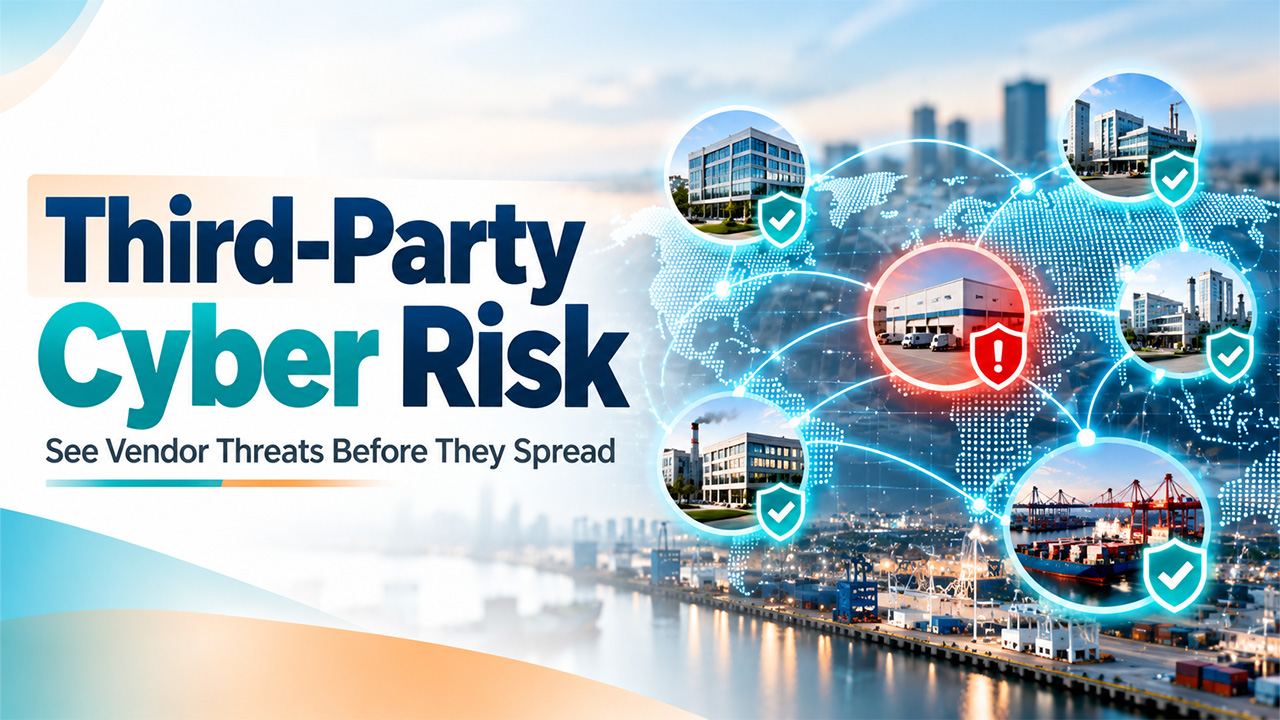
How a Third-Party Cyber Risk Platform Protects Vendor Ecosystems
Explore how a third-party cyber risk management platform improves vendor visibility, automates risk assessments, and monitors threats.
A vendor ecosystem can expose an organization through suppliers, contractors, service providers, and downstream dependencies. Security teams require evidential to understand these relationships. By implementing a third-party cyber risk management platform, the external indicators are linked to vendor actions. This will allow teams to understand their exposure, focus their efforts and take action quicker. Accurate visibility of all the relationships will be created, along with the controls required for ongoing monitoring.
Why Vendor Visibility Matters
Controlled via periodic questionnaires, this only provides a snapshot of controls. Using a third-party cyber risk management platform will keep the risk indicators up to date between reviews. Analysts can then understand if anything has changed and focus their efforts on high priority vendors. Vulnerabilities, ransomware attack risk, active cyber incidents and financial exposure can all be monitored across direct suppliers and their associated organisations. This provides clear visibility of exposures.
This provides the security team with an understanding of exposures as they change. They can monitor vulnerabilities, ransomware attack risks, active cyber incidents and financial exposure across vendors and associated organisations.
This should also include third party relationships. If your direct supplier relies on another supplier, this will not be as closely monitored. A useful inventory will provide a link between each vendor and how important they are to the business, how exposed they are externally and what dependencies they have downstream. This structure gives risk teams a clearer basis for deciding which relationships need immediate investigation.
How Continuous Monitoring Works
Continuous monitoring replaces isolated snapshots with current observations about external risk conditions across vendor relationships. A platform collects signals from thousands of sources, including open-source intelligence, dark web data, and vulnerability data. Teams should compare new signals with prior vendor records before escalating a finding for investigation.
Artificial intelligence analyzes those signals and turns technical findings into usable risk intelligence for analysts. This process supports digital footprinting, common vulnerability and exposure analysis, and risk categories that help analysts investigate changes.
What Assessment Automation Adds
Related walkthrough
Chapter 6: SuiteCRM API & OAuth 2.0 | REST API v8 Guide

A third-party cyber risk management platform can streamline vendor assessments by automating evidence collection, mapping controls to security frameworks, and maintaining consistent records across vendor reviews.
Questionnaires still matter for controls that external observation cannot verify within a vendor review. The work required to gather documents, review evidence, map controls, and maintain records can consume significant analyst time across vendors. Consistent evidence mapping also makes reassessment easier when a vendor changes controls, services, or ownership.
Assessments powered by artificial intelligence automate tasks by parsing documents, extracting evidence, and mapping controls across frameworks. Assessment data becomes more useful when teams connect it with external risk signals across vendor reviews. A vendor with documented controls but new exposure deserves a different response than one with stable external signals.
How Response Becomes Faster
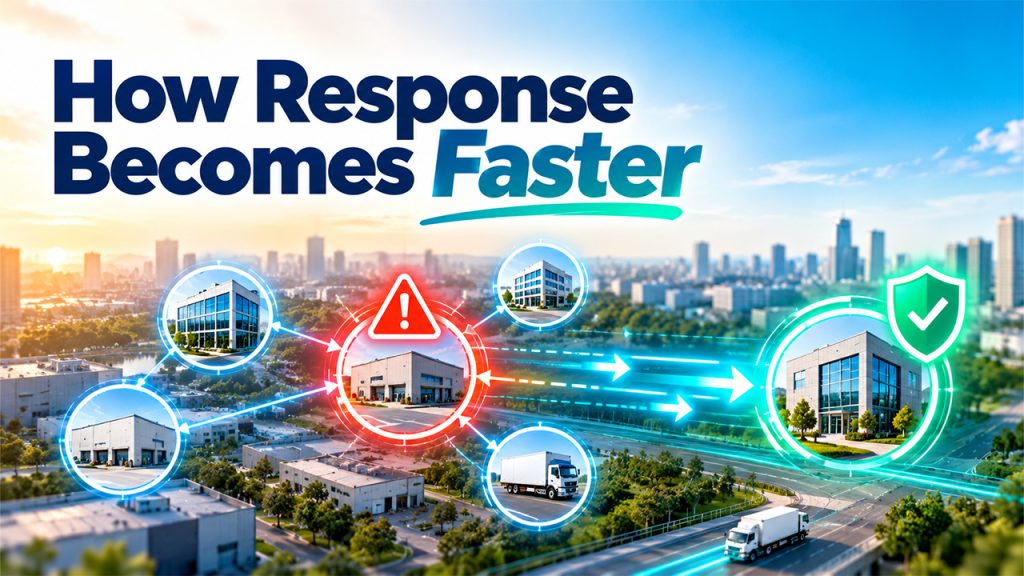
Vendor risk management must support action when a security event affects a supplier relationship. Vendors are linked to associated vulnerabilities, breaches, and other live exposures through a platform that lets teams evaluate the business impact.
Risks teams can then refine communications, inquiry, containment, or escalation to specific business relationships impacted. This can help replace generic alerts with vendor-specific decisions that take into account the real business relationships in the event of a breach. Well-defined ownership keeps an alert from hanging without an owner during response.
Adding another dimension is a calculation of financial impact from ransomware, data breaches, and business disruption. With a quantitative view of exposure, executives can compare risks to priorities and focus response efforts where they will be most effective.
What a Mature Program Looks Like
A mature vendor program links inventory, observation, assessment, response, and reporting into a single, unified workflow. Teams should audit direct vendors and nth-party dependencies because unknown relationships pose concentration risks that the vendor list doesn’t address.
Integration matters because security information should move into existing governance and risk processes across the organization. The platform states that its application programming interface and integrations connect third-party risk data with security, risk, and business operations.
The goal is a repeatable decision cycle: identify exposure, verify the relationship, assess business impact, and document the response. That cycle gives teams a consistent method for handling vendor changes without relying on periodic review. A risk team should set review thresholds before monitoring begins so analysts follow consistent response decisions.
Conclusion
A third-party cyber risk management platform protects vendor ecosystems by connecting external intelligence with relationship data and response workflows. Continuous monitoring helps teams detect changes, assessment automation reduces review work, and quantified risk supports resource decisions. The next step is to map every direct and nth-party dependency, then assign monitoring and response priorities based on business impact. That process gives security teams a measurable way to keep vendor risk visible between formal assessments and regular reviews.