
Billing Automation Essentials for Accurate Usage-Based Charges
Discover how Billing Automation improves usage-based billing with accurate data capture, real-time rating, seamless integrations, and error-free invoicing.
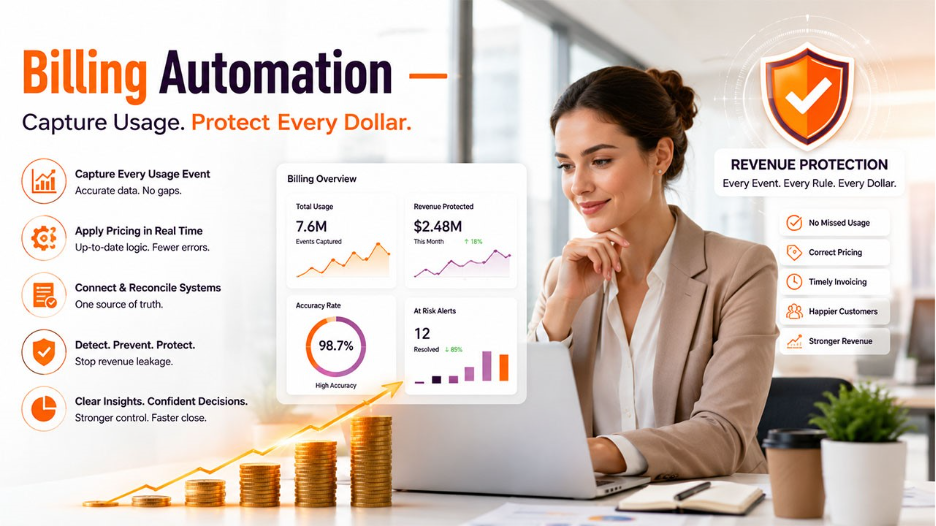
Usage-based charges can feel fair to both buyers and sellers, but accurate invoicing requires disciplined record handling. Billing Automation helps finance teams capture usage events in real time, apply the latest pricing rules, and maintain a clear link between every invoice line and the underlying customer activity. Without automation, even small errors can quickly lead to billing discrepancies, delayed payments, and inaccurate revenue reporting as customer plans, service levels, or contract terms change throughout the billing cycle.
A Better Data Flow
As usage records increase, pricing tiers multiply, and special terms stack up, billing automation becomes part of sound financial control. Structured workflows let teams match raw events to billable units, apply approved logic, and address disputed amounts before invoice release. That discipline matters when prepayments, account hierarchies, or volume discounts can shift totals within one monthly cycle.
Start With Raw Usage
Accurate charging starts with dependable source records. Systems should capture events in a consistent format, with timestamps, customer identifiers, and product references attached. Missing fields create gaps that spread downstream. Teams also benefit from keeping detailed history before aggregation, because raw records support dispute review, audit testing, and rule validation when pricing plans change after launch.
Rate Events In Real TimeRate Events In Real Time
Delayed calculation can conceal errors until the busiest point in the month. When charges are rated soon after activity occurs, teams can spot abnormal spikes or missing data earlier. That timing also improves customer visibility because running totals can be reviewed before invoice release. Near real-time rating does not require instant billing. It ensures that charge logic remains up-to-date while allowing finance to maintain approval control.
Keep Pricing Logic Versioned
Related walkthrough
GuestPostCRM’s Smart Payment Workflow: Zero Errors, Zero Confusion, 100% Automation

A company may revise thresholds, add credits, or change commitment terms during renewal. Without version control, staff may apply old rules to new events. Strong billing practice preserves the exact logic active when usage occurred. That record supports clear explanations, reduces review friction, and helps finance defend invoice accuracy.
Connect Commercial and Finance Systems
Connect Commercial and Finance Systems
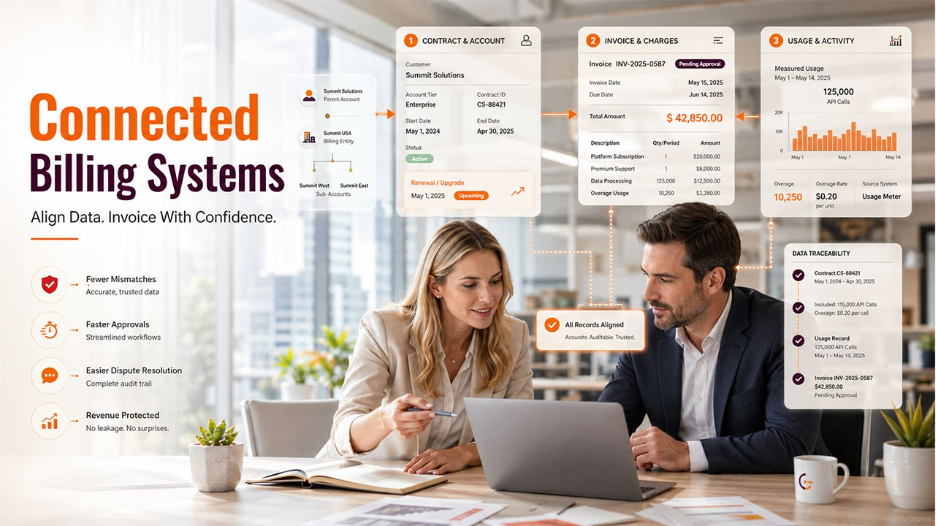
Accurate invoices depend on aligned information across core systems. Sales platforms hold contract terms, finance applications manage invoicing, and product databases track measured activity. Payment Gateway Integration further streamlines the billing process by enabling secure, automated payment processing while keeping transaction records synchronized across systems. If these records are inconsistent, billing teams may spend days reconciling mismatches. Strong integration keeps customer data aligned, shortens close cycles, and reduces the risk that a renewal, upgrade, or account hierarchy change goes unbilled.
When commercial and finance records match, disputes also become easier to resolve. Teams can trace a charge from contract line to source activity without rebuilding context by hand. That shared view also helps account managers, controllers, and operations staff work from the same facts during invoice review. Fewer interpretation gaps usually mean faster approvals, clearer explanations, and less customer friction after bill delivery.
Reduce Revenue Leakage
A skipped meter, stale price table, or missed overage rule may look harmless, yet repeated gaps add up across a quarter. Automated controls help teams detect missing usage, duplicated records, and broken mappings before invoices are sent out. That discipline protects revenue and gives leadership a more dependable picture of commercial performance.
Support Audit and Compliance Needs
Finance leaders need evidence behind every billed amount. Each line should link back to source data, applied rules, and approval history. A traceable chain lets internal review and external audit work move faster, with fewer manual explanations. Strong records also support revenue recognition because teams can show when usage occurred, which pricing logic applied, and how amounts moved into downstream systems.
Improve the Customer Experience
Customers accept variable charges more readily when invoices feel predictable and understandable. Clear usage summaries, current running totals, and consistent bill formats reduce confusion before payment dates arrive. Early visibility also gives account teams time to answer questions while details remain fresh. That trust matters because many disputes stem from uncertainty, when usage increases sharply within one period.
Conclusion
Billing accuracy in usage-based models depends on disciplined data capture, current pricing logic, and clear links between contracts, measured events, and invoice lines. Automation supports that discipline by reducing manual intervention and exposing problems earlier in the cycle. Companies that invest in structured billing processes can protect revenue, improve customer trust, and provide finance teams with stronger control over growth, audit readiness, and communication as charging models become more detailed over time.