
How Real-World Location Data Could Unlock New Opportunities in Crypto
Explore the growing role of geographic data in the cryptocurrency industry and learn how to connect blockchain technology with real-world assets.
Cryptocurrency is often viewed as a purely digital industry, built around blockchain networks that operate independently of physical borders. However, as the sector continues to mature, many developers and analysts are exploring ways to connect digital assets with real-world information. Among the most promising sources of that information is location data, which can provide valuable context about how people, businesses, and assets interact across different regions.
Investors researching emerging blockchain trends frequently compare platforms, study infrastructure projects, and review resources where features and funding models compared in order to better understand how new technologies are evolving. Increasingly, location intelligence is becoming part of that conversation as organizations discover new ways to combine geographic information with decentralized systems.
Why Location Data Matters in Crypto
At first glance, cryptocurrency and geolocation may seem unrelated. Blockchain networks can process transactions regardless of where users are located, and digital assets can move across borders without the restrictions associated with many traditional financial systems.
Despite this flexibility, location still plays an important role. Businesses must comply with regional regulations, developers need to understand where adoption is growing, and organizations often require real-world context when building blockchain applications.
The Shift Toward Real-World Utility
In the early years of cryptocurrency, most innovation focused on creating digital alternatives to existing financial systems. Today, many projects are expanding beyond purely financial use cases and looking for ways to interact with physical environments.
Location data can help support this transition by providing information about where assets exist, where services are being used, and where opportunities for growth may be emerging.
Building Stronger Connections Between Digital and Physical Assets
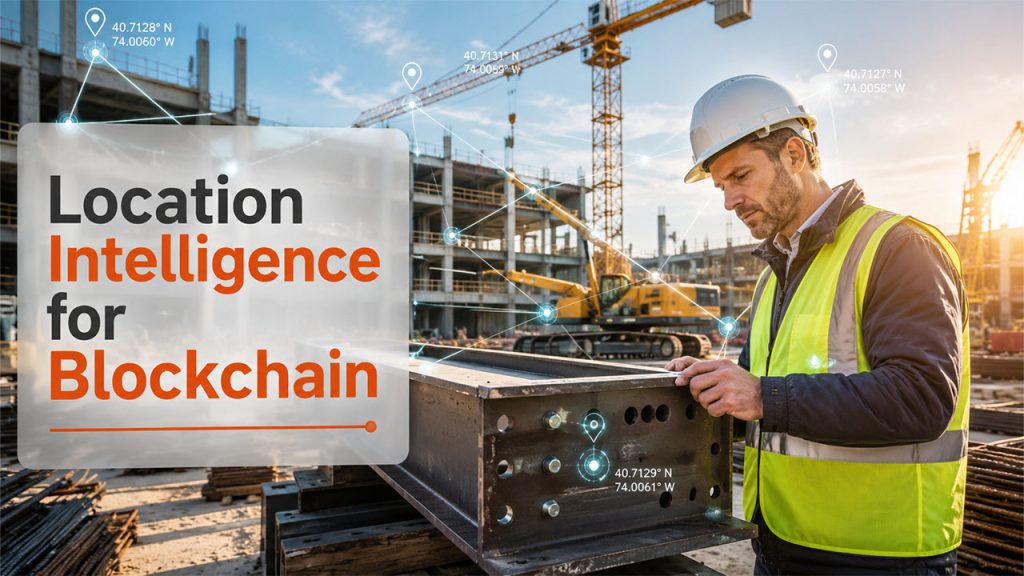
One of the challenges facing blockchain technology is connecting digital records with real-world activity. A blockchain can verify ownership and record transactions, but it often requires additional information to understand what is happening outside the network itself.
Location intelligence can help provide that missing context. By linking geographic information to blockchain systems, organizations can create applications that better reflect real-world conditions and events.
Supporting New Business Models
Related walkthrough
Stellar OST to PST Converter Review 2026 | Online vs Desktop – Real Test

As location data becomes more accessible and accurate, entrepreneurs are exploring new types of blockchain-based services. These services may involve asset tracking, infrastructure management, location verification, or applications that depend on understanding geographic activity.
The ability to combine decentralized networks with real-world information could create entirely new categories of products and services that were difficult to build using blockchain technology alone.
Improving Market Intelligence
Location data can also help organizations better understand cryptocurrency adoption. Rather than relying solely on global statistics, businesses can examine how usage varies between cities, regions, and countries.
This information may reveal patterns that are not immediately visible through traditional market metrics. Understanding where adoption is accelerating can help companies identify opportunities and allocate resources more effectively.
A Different Way to View Growth
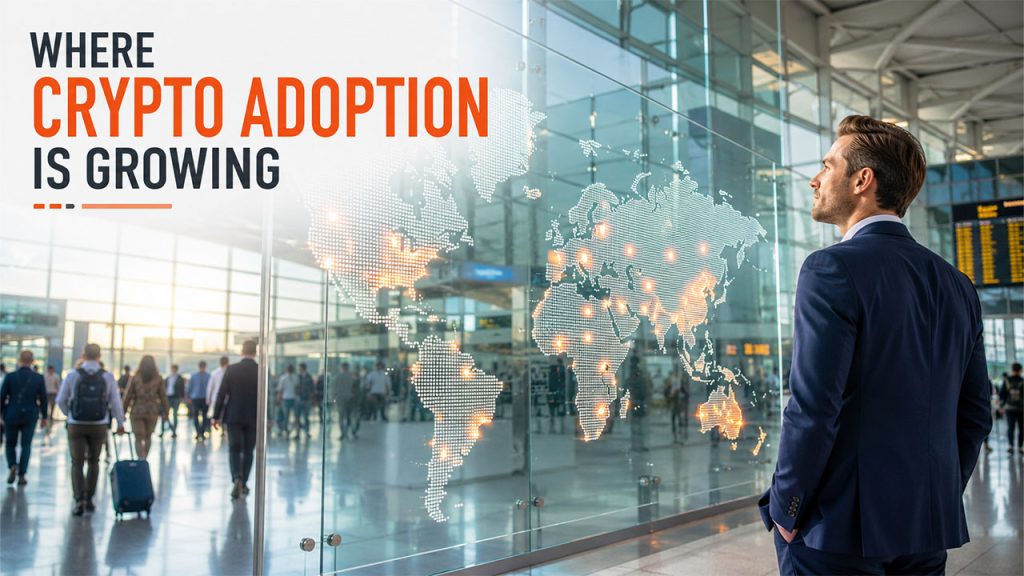
Many investors focus on price movements when evaluating the cryptocurrency market. Geographic insights offer a different perspective by highlighting where real-world demand is developing and how user behavior changes across different markets. These regional trends can also complement Crypto Prediction models by providing additional context about adoption patterns and emerging areas of growth.
As competition increases within the industry, these insights may become increasingly valuable for strategic planning.
The Growing Importance of Compliance
Digital asset companies operate in an environment where regulations often vary by jurisdiction. Understanding where users are located can help businesses comply with regional requirements and manage risk more effectively.
Location intelligence provides information that supports these efforts while helping organizations navigate an increasingly complex regulatory landscape.
Looking Toward the Future
The relationship between cryptocurrency and location data is still evolving, but interest in this area continues to grow. As blockchain technology expands into new industries and interacts more closely with physical assets and infrastructure, geographic information may become an increasingly important source of value.
What began as a technology primarily used for navigation and mapping could ultimately help unlock new opportunities across the cryptocurrency sector. By providing real-world context for digital systems, location data has the potential to support innovation, improve decision-making, and contribute to the next generation of blockchain applications.
Conclusion
As the global cryptocurrency ecosystem continues to evolve, successful innovations are likely to evolve simultaneously, bridging the gap between digital network and real-world activity. Location data offers a powerful layer of context that can enhance transparency, improve market intelligence, support compliance, and enable entirely new blockchain applications. Although the integration of geographic or location data with decentralized technologies is in its early stages, it has significant potential to witness major growth. By combining the power of blockchain with real-world location insight, businesses and developers can position itself at better position to identify opportunities and solve practical challenges.