

7 Ways CX Services Help Businesses Deliver Better Customer Support
Improve customer support with CX services. Discover 7 proven ways to enhance response time, personalization, and customer satisfaction for better retention.
In today’s fast-paced e-commerce world, customers aren’t just buying products; they are buying into an experience. When a problem arises, the quality of your support becomes the primary factor in whether that shopper ever returns to your store. For many growing brands, maintaining a “personal touch” while handling high-ticket volumes across multiple platforms is a massive operational hurdle.
According to the Forrester Global Customer Experience Index 2025, brands that effectively improve their CX scores see significantly higher customer retention and faster revenue growth compared to those that remain stagnant. Integrating professional support structures is the most effective way to turn a one-time buyer into a lifelong brand advocate.
1. Implementing a True Omnichannel Approach
Modern support is about meeting your customers exactly where they are, whether that is on social media, live chat, or a traditional phone line.
- Seamless Transitions: Professional services ensure a customer doesn’t have to repeat their story when moving between different communication channels.
- Platform Consistency: Agents maintain a unified brand voice across every touchpoint to build long-term trust and reliability.
- Real-Time Responsiveness: With integrated systems, customers can receive faster replies, which is a critical factor in modern satisfaction.
When you create a unified service journey, it makes sure that your brand remains helpful and accessible at every possible digital intersection throughout the day.
2. Leveraging Predictive Analytics for Proactive Care
Data-driven support identifies common pain points in the shipping or checkout process, allowing your team to reach out before a customer even files a complaint. This transition from reactive to proactive care reduces the overall burden on your staff while surprising customers with a high level of attentiveness.
For many growing brands, making this jump is a major challenge, which is why businesses often choose to learn more about CX Services to see how experts manage high-volume inquiries. By bridging this gap with expertise, organizations that partner with dedicated providers like InfoCision gain access to high-level data insights. This allows them to benefit from a team that focuses on tailoring every interaction to the specific tone and goals of the brand.
3. Personalization Through Advanced CRM Integration
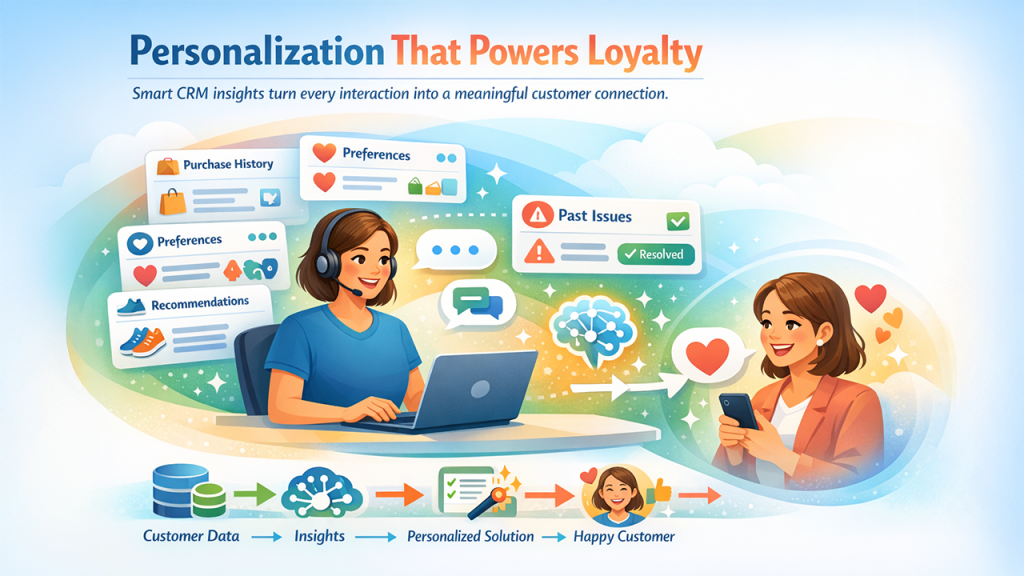
Effective support requires moving beyond a generic script to create a human-centric connection with every single person who reaches out for help.
- Historical Context: Integrated CRM data provides visibility into previous purchases, preferences, and past issues in real-time.
- Relevant Recommendations: If agents have the right data, they can offer solutions that actually align with the customer’s specific habits and lifestyles.
- Building Rapport: Personalization converts a standard transaction into a valued relationship. This significantly elevates customer experience and boosts long-term loyalty.
When you treat a customer as a person rather than just a ticket number, they feel valued and are far more likely to stay committed to your brand.
4. Scaling Support During Seasonal Peaks
Related walkthrough
Outright Store: An all around SuiteCRM and SugarCRM Extensions and Services Provider

The intense pressure of Black Friday, Cyber Monday, or holiday rushes can cause ticket volumes to triple overnight without any warning. External CX experts provide the elastic infrastructure needed to handle these sudden surges without the need for you to hire and train temporary staff internally. This flexibility allows your core team to stay focused on high-level strategy rather than getting buried in the day-to-day chaos of seasonal inquiries.
Pairing this with the right Customer Service Software for 2026 ensures your team has the tools to manage peak demand efficiently across every channel.
Even during busy times, professional services maintain strict service level agreements. This ensures that your reputation doesn’t take a hit during peak times. With this strategy, you can prevent the overhead costs of maintaining a large and idle team during slower months. This method is highly cost-effective, and it ensures that steady, stable, and sustainable growth throughout the entire year.
5. Closing the Feedback Loop for Product Improvement
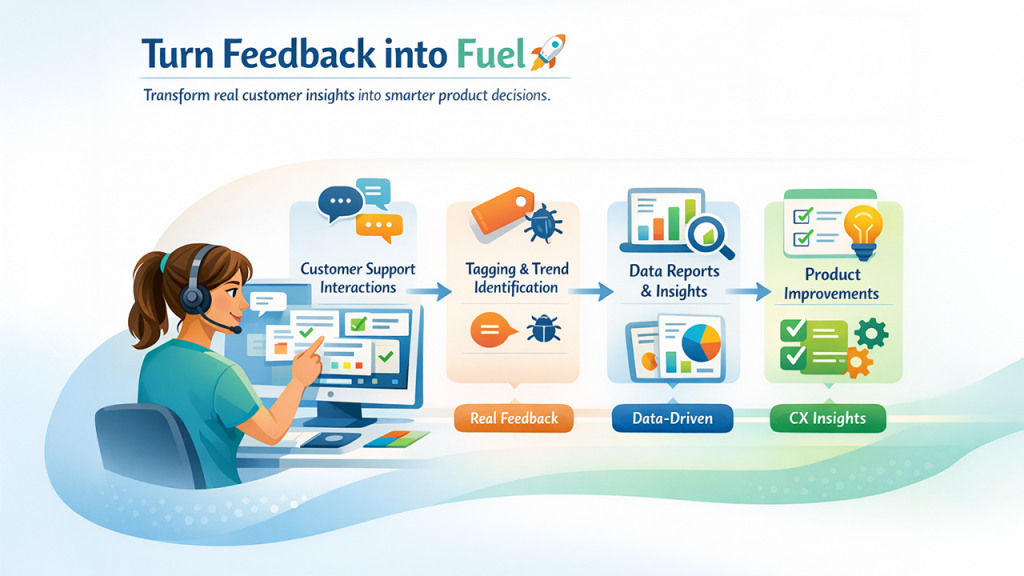
Your customer service team sits on the front lines and gathers the most honest, unfiltered feedback about your products and services every day.
- Trend Identification: Professional CX services categorize and tag support interactions to identify recurring bugs or specific feature requests.
- Data-Driven Strategy: This information is synthesized into clear reports that allow leadership to make informed decisions on future updates.
- Market Research: Using support data as a research tool is often more accurate and cost-effective than running traditional focus groups.
Treating customer support as a goldmine of insights allows your business to evolve based on the actual needs of your target audience.
6. Enhancing Brand Consistency Across Every Interaction
To foster trust and build long-term loyalty, it is important to provide consistent customer experience across all touchpoints. No matter if a customer reaches out through email, chat, or social media, the tone, response quality, and resolution process should reflect the same and consistent brand values.
- Unified Messaging: Professional CX services ensure that every interaction aligns with your brand voice and communication standards.
- Standardized Processes: Clear workflows help maintain consistency in how issues are handled, regardless of the channel or agent.
- Customer Confidence: When experiences feel predictable and reliable, customers are more likely to trust your brand and return in the future.
As your business grows over time and customer interactions become more complex, maintaining this level of consistency becomes increasingly essential.
7. Reducing Response Time With Smart Automation
Instant replies have a major role to play in shaping your brand’s impression on customers. Delayed responses can frustrate customers while timely assistance builds confidence and satisfaction.
- Automated First Responses: Intelligent systems can address queries in an instant. It reassures customers that their concerns are not being ignored.
- Efficient Ticket Routing: Automation helps direct issues to the right agents faster. This reduces unnecessary delays.
- Improved Workflow: Streamlined processes allow support teams to focus on resolving issues rather than managing repetitive tasks.
When businesses combine automation with human support, they can deliver more efficient and faster services without having to compromise quality.
Conclusion
High-level customer experience is not a luxury anymore; rather, it has become a fundamental requirement for the survival of e-commerce in 2026 and the coming future. Investing in professional CX services and structures pays for itself through much higher retention rates and a stronger overall brand reputation. Take time to carefully audit your current support operations to look for a more strategic approach that can unlock new productivity and efficiency. Even minor improvements in the quality of the service can make a noticeable impact on customer satisfaction over time. If you strive to offer better experience to your customers, then it will always lead to a better bottom line for your business.