

Turning Forecasts Into Action With Strategic Finance Solutions
Strategic finance forecasting connects projections to real decisions on cash, staffing, pricing, and growth. See how leaders turn plans into action.
Forecasts rarely fail because the math is weak. Trouble starts when leaders cannot connect projected numbers to hiring, pricing, inventory, or financing decisions. A useful model should explain what requires attention now, what can wait, and where cash may tighten first. Strategic finance brings structure to that judgment. It helps management teams compare options, test pressure points, and commit resources with clearer priorities under changing conditions. This is the core purpose of strategic finance forecasting: turning numbers into decisions leaders can act on.
Forecasts Need Context
A forecast earns trust when it shows what management should do next, instead of listing outcomes after the fact. In that setting, strategic finance solutions give operating teams a practical way to link revenue assumptions, expense timing, working capital needs, and investment choices. Decision makers can then judge tradeoffs with better discipline, rather than relying on habit, urgency, or isolated reports.
Plans Fail Without Ownership
A plan without clear ownership usually stalls after the meeting ends. Someone must track each target, review results, and decide when a variance needs action. If sales weaken, leaders should already know which expenses pause first. When demand rises, capacity decisions should include named approval steps. That operating discipline turns finance from observation into management.
Cash Sets The Pace
Cash timing shapes more decisions than profit alone. A business can post healthy margins and still face strain if collections slip while payroll and suppliers come due. Forecasting should map that sequence in plain terms. Leaders need visibility into receivables, payment cycles, inventory turns, and debt obligations. Financial Technology Solutions can help businesses improve this visibility by connecting financial data, streamlining processes, and supporting faster, more informed decisions. Early visibility gives management room to respond before pressure reaches daily operations.
Scenario Work Builds Better Decisions
One projection rarely covers the full range of what a quarter may bring. Strong teams review a base case, an upside view, and a downside case. Each version should rest on stated assumptions, with drivers that can be monitored weekly. That structure improves discussion. It keeps debate grounded in evidence, while showing which choices remain sensible under several outcomes. Done well, strategic finance forecasting turns scenario planning into a repeatable habit rather than a one-time exercise.
Metrics That Move Action
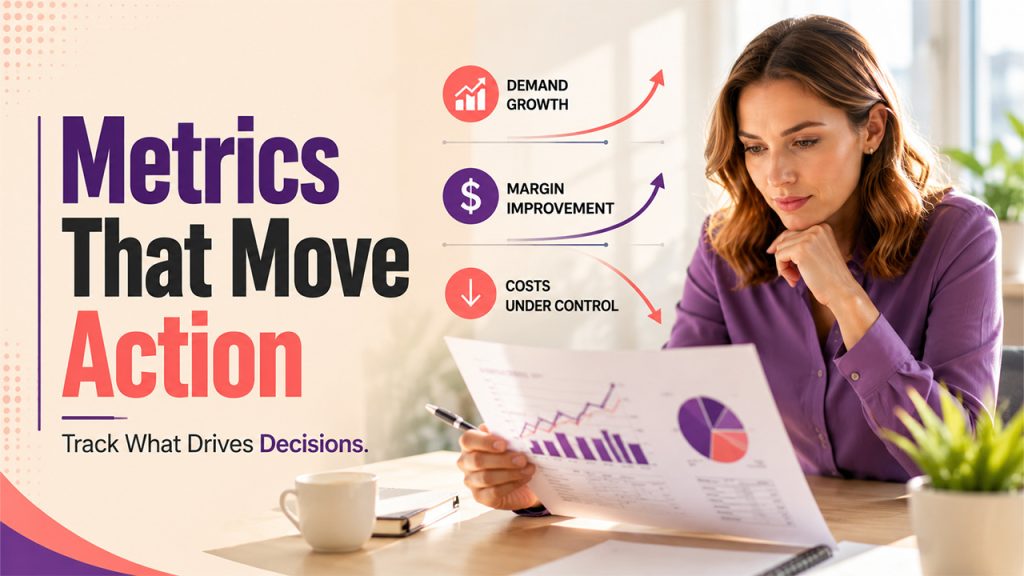
Forecasts become practical when they focus on a short list of measures tied to operating decisions. Too many indicators scatter attention and slow response.
Demand patterns, close rates, average order size, and renewal behavior often shape growth more than a headline sales goal. Tracking those inputs helps leaders adjust pricing, staffing, or promotion plans before a monthly close.
Labor utilization, supplier terms, freight expense, and fixed overhead can shift margins faster than many teams expect. Watching those signals closely helps management protect earnings before small changes widen into a larger gap.
Timing Matters More Than Precision
Related walkthrough
Turn Messy Meetings into Clear Summaries – Instantly

Forecast quality depends on relevance as much as detail. Leaders rarely need a perfect model, but they do need current assumptions before choices become urgent. Waiting for complete certainty can narrow the set of workable options. Effective finance teams refresh projections often, compare updated results with prior views, and present decisions while there is still room to act.
Finance Should Challenge Assumptions
Finance adds value when it questions the plan, instead of simply recording it. That means asking whether hiring can be supported by cash flow, whether pricing covers future cost pressure, and whether growth targets fit operational capacity. Those questions can slow an exciting idea for a moment. They also prevent wasted spending, weak margins, and avoidable financing strain later.
Cross-Team Alignment Counts
A forecast loses credibility when departments work from different assumptions. Sales may expect volume that operations cannot fulfill. Product teams may set launch dates without considering support costs or staffing limits. Finance helps create one planning view across functions. Shared assumptions reduce friction, surface conflicts earlier, and make execution steadier once the business commits to a direction.
Action Starts With Review Cadence
Forecasts work best when review happens on a fixed schedule. Weekly discussions can track near-term movement in orders, cash, and expenses. Monthly sessions can revisit larger priorities, including hiring plans or capital spending. Each meeting should compare actual results with assumptions and define next actions. A steady cadence keeps the model useful, current, and connected to daily management decisions.
External Pressure Changes Internal Choices
Interest costs, customer demand, wage pressure, and supplier delays can all shift a plan within one quarter. Forecasting should absorb those changes quickly and show what they mean for cash, margin, and investment timing. Strategic finance forecasting gives leaders a consistent method for updating scenarios without panic. That discipline supports measured decisions, even when outside conditions become harder to predict.
Conclusion
Turning forecasts into action requires more than accurate spreadsheets or polished presentations. It requires ownership, regular review, and a willingness to test assumptions before resources are committed. Strategic finance forecasting gives that process a consistent structure to follow quarter after quarter and helps management connect plans with real decisions on staffing, pricing, cash, and growth. When forecasting becomes part of operating rhythm, leaders make calmer choices, respond earlier to risk, and use capital with greater care.