

Understanding How an AI SEO Company Approaches Software Marketing
An AI SEO company improves rankings with clean architecture, schema markup, internal links, crawl health, rendering, and performance tuning for large software sites.
Software marketing now sits at a busy intersection of search pages, chat answers, review platforms, and product research. That change affects how agencies plan content, improve site health, and measure qualified demand. Strong work depends on evidence, careful testing, and close coordination across writing, analysis, and development. Artificial intelligence can speed pattern finding, yet sound judgment still shapes positioning, accuracy, and commercial relevance.
Search Habits Shift
Software buyers rarely rely on one source before contacting a vendor. They compare search summaries, peer reviews, forums, and product pages while weighing fit and risk. In that setting, an AI SEO company must plan for visibility across several touchpoints, because rank position alone says little about real discovery or buyer confidence.
Audit Comes First
Serious programs start with a close review of pages, search terms, rivals, and conversion paths. Analysts check index coverage, load times, internal links, and topic gaps before drafting new material. Search volume helps, but product truth matters more. A feature page may attract visits, yet weak-fit prospects can inflate traffic while adding very little sales value.
Research Gets Wider
Artificial intelligence helps teams scan large query sets, support requests, review comments, and sales notes with useful speed. That broader intake reveals patterns tied to pain points, feature intent, and buying stage. Good planners do not chase every phrase they find. They sort opportunities by urgency, revenue fit, and signals showing clear buyer interest.
Content Serves Decision Paths
Software content works best when each page answers a specific decision question with proof that feels easy to verify. Comparison pages support evaluation. Use-case articles help category entry. Product pages reduce friction near conversion. Clear structure matters. So do screenshots, implementation details, pricing cues, and outcome data that help visitors judge whether a tool fits their situation.
Measurable Signals Matter
Public case studies show why disciplined measurement matters. Reported outcomes include traffic increase, new ranking keywords, and user return. Those numbers should never be treated as guarantees. They still show what mature teams monitor. Useful reporting links visibility, qualified sessions, pipeline influence, and revenue contribution across a defined period.
Technical Work Supports Reach
Related walkthrough
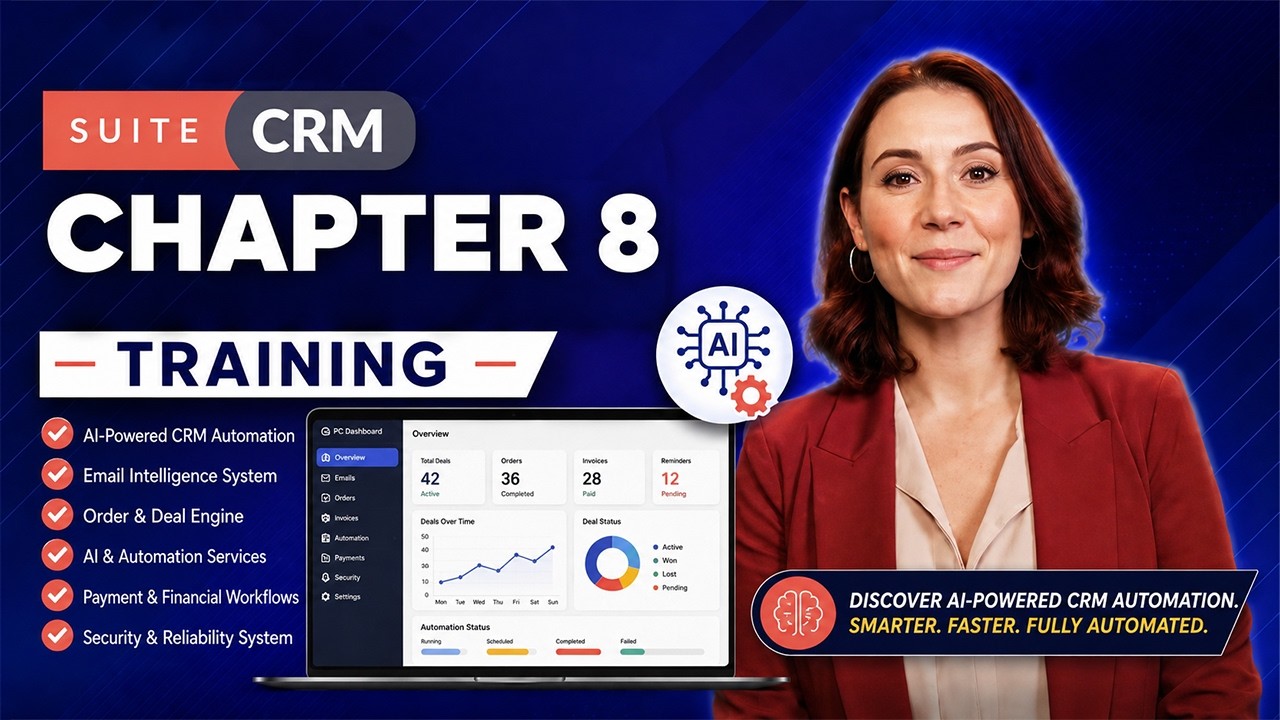
SuiteCRM Chapter 8: GuestPostCRM Deep Dive | AI CRM Automation & Email Intelligence
Technical improvements still affect results, even when messaging and intent mapping improve. Clean architecture helps search systems find, interpret, and connect important pages. Schema markup can clarify product details. Internal links distribute relevance across related topics. Performance tuning lowers abandonment. For large software sites, these fixes often create gains faster than another publishing sprint. Experienced teams review crawl health, rendering behavior, duplicate sections, template quality, and page depth on a regular schedule.
Human Review Stays Central
Artificial intelligence can draft outlines, group terms, and flag missed subtopics, but software marketing carries higher accuracy demands than many consumer categories. Feature claims, compliance language, and integration details need close editorial review. Skilled writers translate technical nuance into plain language. Editors then remove filler, tighten repetition, and protect trust across every important page type.
Teams Need Tight Feedback
Strong agency models connect search planning with sales calls, onboarding notes, and customer success conversations. That loop improves message quality because real objections appear early. Marketers hear which features close deals. Writers learn where confusion starts. Strategists then revise pages before weak assumptions spread. In software marketing, feedback speed often shapes growth more than raw publishing volume.
Also Read: Search Engine Positioning Example: How to Rank Higher on Google
Buyer Journey Guides Format

Different buying stages call for different assets. Early visitors may need category explainers or problem-focused articles. Mid-funnel prospects often compare methods, migration efforts, or integration depth. Typically, late-stage buyers seek proof, pricing context, and confidence in implementation. A sound plan matches each page to that sequence. That approach reduces friction and improves the likelihood that organic visits convert into sales.
Risk Control Matters
Careful agencies also protect brands from common mistakes tied to automated production. Thin pages, vague claims, duplicate angles, and unsupported statements can quickly weaken trust. Search systems reward usefulness over volume. For software companies, weak content can create sales friction long after publication. Quality control should cover facts, tone, readability, and consistency across important templates.
Conclusion
An effective approach combines machine speed with human judgment, business context, and disciplined reporting. The strongest agencies do more than publish articles or chase rankings. They study buyer behavior, improve technical foundations, shape pages around decision points, and measure outcomes with care. For software brands, that mix supports durable visibility and healthier conversion paths, even as discovery habits continue shifting across search tools and chat interfaces.