
What New Research Reveals About Performance Review Completion
Discover what recent research reveals about performance review completion and learn how better workflows, feedback, and review tools improve participation rates.
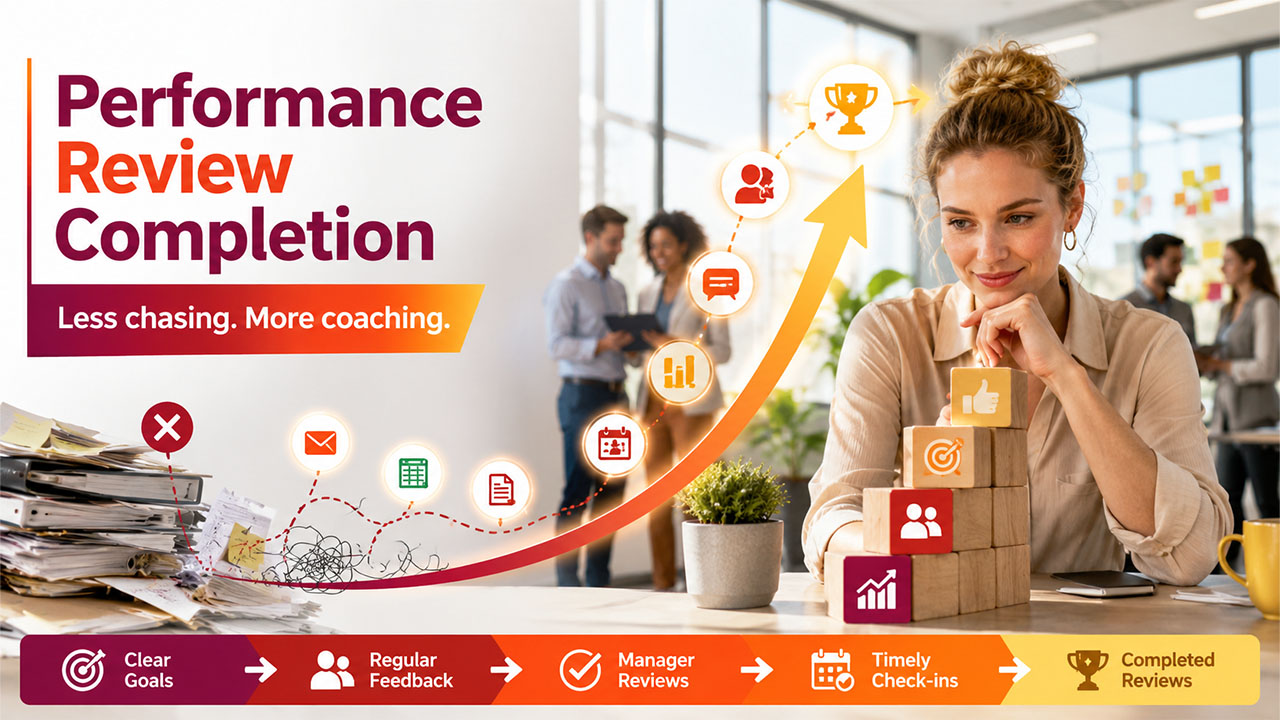
Recent studies suggest that performance review completion rates rise or fall on operational choices, rather than goodwill alone. Across large employer samples, finished reviews track closely with reminder design, goal clarity, and workload timing. That pattern matters because an unfinished cycle weakens a manager’s judgment, delays pay discussions, and leaves employees without useful direction. A strong process, by contrast, supports steadier feedback, clearer records, and fairer decisions across the year.
Tool Choice Shapes Results
Recent findings add useful context to research on performance review completion rates. In one large sample, most employers still relied on spreadsheets, documents, or broad human resources systems, while a smaller share used dedicated review platforms. That split mattered. Teams with purpose-built tools recorded feedback more often, tracked goals with greater consistency, and saw fewer stalled cycles during busy periods.
Manual Systems Create Friction
Spreadsheets and shared documents often turn a review cycle into clerical labor. Reminder emails get missed, status checks scatter across folders, and overdue forms lack ownership. Delay then spreads quietly. Managers postpone writeups, employees wait longer for direction, and people teams spend valuable hours chasing signatures instead of improving judgment, calibration, and fairness.
Feedback Frequency Predicts Follow-Through
Performance Review Completion tends to improve when feedback occurs in shorter intervals. A single annual event concentrates too much writing, recall, and scheduling pressure into one window. Smaller check-ins ease that strain. Employees enter formal discussions with fresher examples, supervisors face less administrative buildup, and deadlines feel more manageable because the process never goes dormant for long stretches.
Dedicated Tools Lift Participation
The contrast between system types is hard to ignore. Organizations using specialized platforms and employee monitoring software were more likely to collect feedback more than once per year. Spreadsheet-based programs lagged. That pattern points to a practical lesson. Participation rises when forms, reminders, approvals, and records are in one reliable place rather than scattered across disconnected files and inbox threads.
Goal Design Matters Too
Related walkthrough
Stellar OST to PST Converter Review 2026 | Online vs Desktop – Real Test

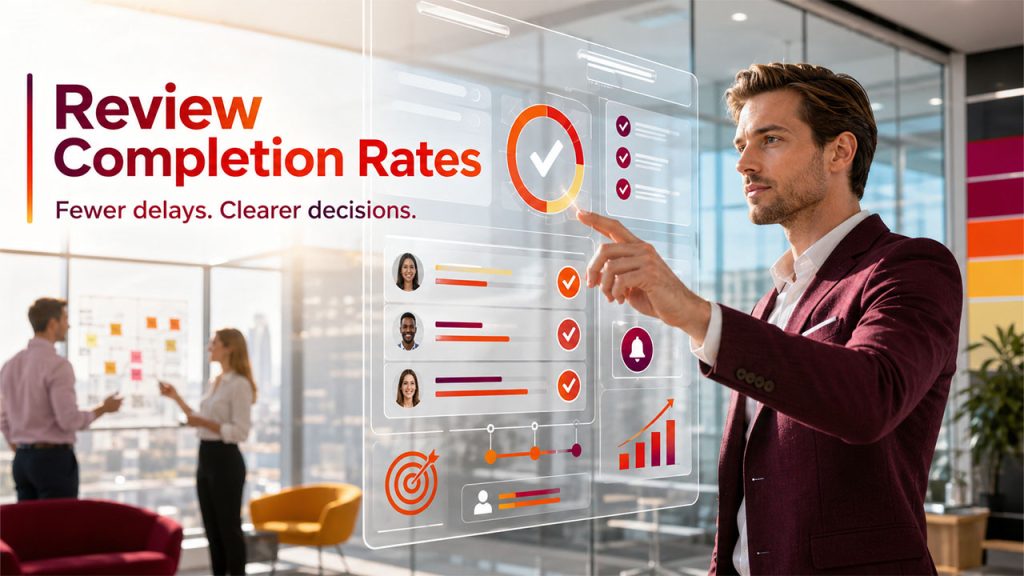
Goal setting also shapes whether reviews get finished. Completion tends to rise when expectations are built through discussion, rather than handed down without context. That result fits daily practice. Employees engage more fully when targets reflect actual duties, current priorities, and clear measures. Relevance improves effort, while vague or imposed objectives often make the closing conversation feel performative.
Admin Time Is a Hidden Cost
Weak systems create a second problem: heavy administrative drag. Many organizations report spending several days or longer managing a single review cycle from launch to close. Those hours rarely produce better judgment. They disappear into reminders, document cleanup, progress checks, and deadline chasing. Every lost day reduces the time available for coaching managers, checking consistency, and improving the quality of written feedback.
Failure Rates Drop With Better Systems
Purpose-built platforms also appear to reduce severe completion breakdowns. In comparative samples, fewer software users fell below a 50 percent completion threshold than teams relying on spreadsheets. That difference suggests a useful distinction. Missed reviews are often operational failures before they become cultural ones. Structure matters because people usually finish processes that are easier to start, track, and close.
Review Variety Supports Completion
Another pattern deserves attention. Many employers still depend on annual reviews as the only formal assessment method. That narrow design leaves little margin for delay. Quarterly check-ins, project debriefs, and lighter progress conversations keep the record up to date. A broader mix also lowers risk because a single missed deadline no longer derails the entire year’s evaluation effort.
What Leaders Should Take From This
The main lesson is straightforward. Performance Review Completion improves when review programs reduce friction, share responsibility, and keep feedback moving across shorter intervals. A late form rarely signals laziness alone. More often, it reflects unclear goals, cumbersome administration, or weak system design. Leaders seeking stronger completion should examine workflow first, because process choices shape behavior long before the deadline arrives. Building stronger managerial capabilities through HR leadership courses can also help leaders deliver more effective feedback, set clearer performance expectations, and improve performance review completion across teams.
Conclusion
Current evidence points to a clear answer on performance review completion. Higher rates usually come from simpler workflows, steadier feedback, and goal-setting that feels grounded in real work. Organizations with dedicated systems finish more cycles, spend less time on administration, and avoid many serious breakdowns. For teams trying to improve participation, the most reliable gains tend to come from removing operational friction, rather than demanding more effort from an already strained process.
Article rating
Was this article useful?
0.0 out of 5 from 0 ratings